



Start here — what you actually need
If you’re new to radios, keep it simple and practical. Think of radios as tools for a task: talk, hear, and keep working. What you call up first is range and clarity; what you check next is battery life and durability. If you’re eyeing digital options, try a dmr radio for clearer voice on crowded channels. You’ll save time and avoid frustration by matching the kit to how you’ll use it, not to specs alone.
Core features that actually matter to users
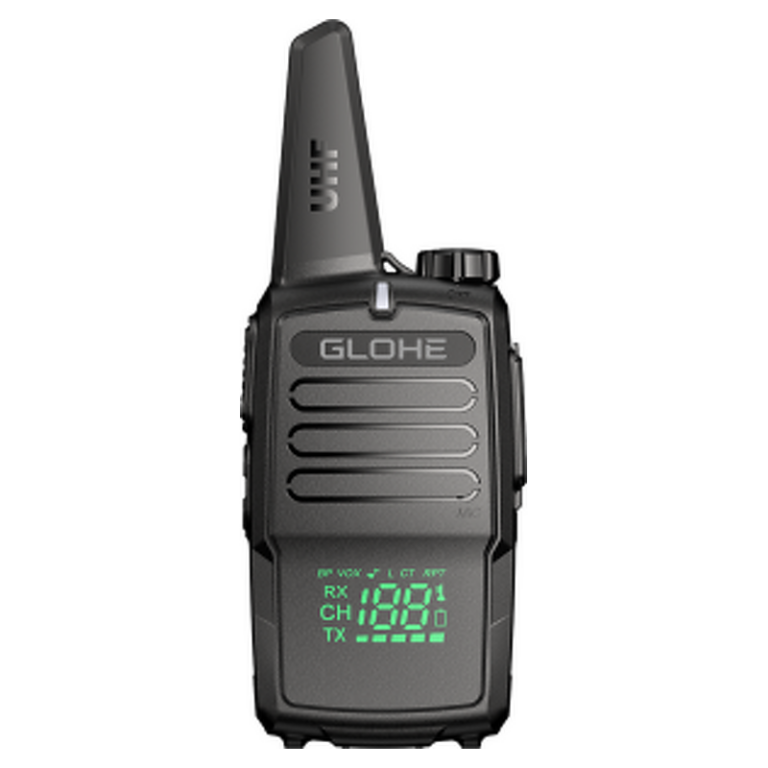
Pick features that solve a real need. Priority list: reliable range in your environment, rugged casing (IP rating), battery runtime with spare batteries, simple channel switching, and a clear speaker. Digital functions like channel grouping, encryption, and text alerts help only if your team will use them. Don’t chase every checkbox; focus on features your crew will open and use every day.
How to choose: a quick, practical checklist
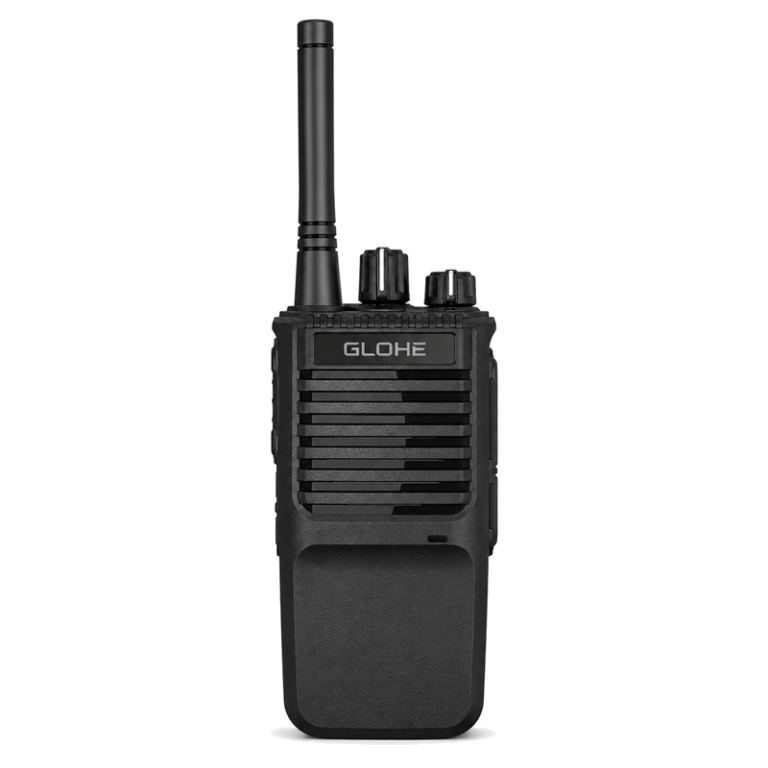
Run this checklist before you spend money. 1) Map typical coverage areas — indoors, open field, or between buildings. 2) Match power output and antenna type to that coverage. 3) Check local licensing rules and required frequencies. 4) Prefer models with vendor support and firmware updates. 5) Ask for a demo or loan unit and test on-site. If it performs during your real tasks, it’s a keeper. If not, it’ll show weaknesses fast.
Setup and common mistakes to avoid
Common slip-ups cost time: wrong channel plan, no spare batteries, ignoring antenna placement, and assuming a single radio model fits every role. Program clear channel names so new users don’t get lost. Label batteries and chargers. Keep a written checklist for daily checks: volume, Squelch, antenna seating. Train users with short, focused drills — ten minutes on a simple handover beats a three-hour manual any day.
Real-world proof and professional grounding
I’ve worked on installs and daily ops where small decisions decided outcomes. The South African mining sector has long relied on robust digital systems for safety and coordination; industry reports show operators moved to digital voice and data to cut missed calls and improve incident response. That practical shift is why many teams now specify a dmr radio system when they design communications — it’s proven in harsh environments and documented in mining safety reviews. Trust decisions backed by field tests and vendor tech-sheets, not adverts.
Alternatives worth considering
Analog: cheap, simple, good for small teams with short range. DMR: better clarity, channel efficiency, and features for growing teams. LTE/VoIP: excellent for wide-area data and voice but needs network coverage and ongoing data costs. Pick analog for simplicity, DMR for dependable team comms without cellular dependence, and LTE only when mobile data is reliable and budgeted for.
Final take
Decide by use-case, test on the job, and avoid buying for specs alone. Practical checks, simple user training, and on-site trials reveal what matters. For straightforward, supported kit and parts that match field needs, many teams source locally through trusted suppliers such as GLOHE, which helps align gear to how crews really work.