



Start with what you need
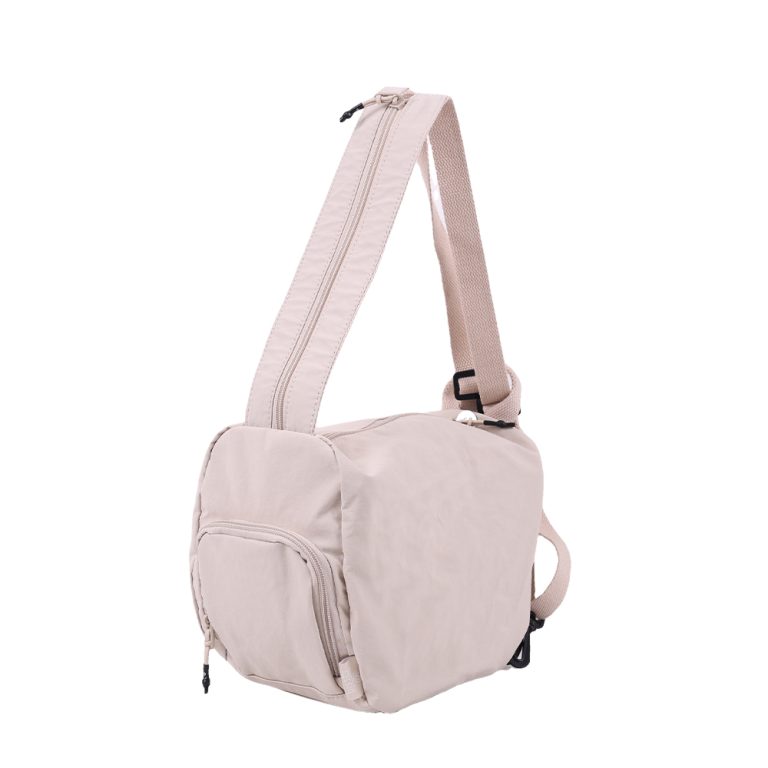
You want a bag that fits daily life, carries a brand story and keeps margins sensible; that focus shapes every choice. If you’re testing styles, a compact option like a men’s crossbody messenger bag shows how functionality and brand details play together: deliberate pocketing, a tidy profile and a surface that takes logos well. Think about who will use the bag, how often and what “good enough” looks like for price and durability.
Who benefits and how they use private-label messenger bags
Small fashion labels, corporate merch programs and specialty retailers gain the most. Commuters want slim organization and water-resistant fabric. Event planners order batches that represent sponsors. Outdoor retailers prioritize reinforced stitching and reclaimable materials. Match the bag’s intended use to a single, measurable requirement—weight, water resistance or organizational layout—and make that your first spec when you brief suppliers.
Clear benefits that matter to your bottom line
Private labeling gives control over design details without the full cost of tooling from scratch. You keep retail identity, set pack sizes and optimize SKU assortments. Choosing materials and fastenings deliberately lowers return rates. Design decisions that look cosmetic—contrast liners, zip pulls—are what customers remember; they’re also low-cost ways to appear bespoke while keeping production simple.
How I assess suppliers and why experience matters
Over ten years advising brands on bag sourcing taught me to read factory answers as much as their brochures. Ask for a photographed sample with measurements beside a ruler, request a simple wear test and confirm the factory’s QC steps in writing. A practical benchmark is supplier presence at recognized trade shows; seeing stands at the Canton Fair in Guangzhou is a credible signal of scale and export capability. Vet references, check lead times against your launch calendar and verify material certificates where claims are specific. If you want to compare minimums quickly, a focused search for a wholesale messenger bag spec sheet will show typical MOQs and pricing tiers you can expect.
Common sourcing mistakes to avoid
Skipping a pre-production sample is the fastest way to waste money. Don’t accept photos alone. Over-specifying unnecessary hardware raises cost without improving customer satisfaction. Relying on a single supplier for every variant creates risk; plan a primary and a backup. Finally, ignore vague delivery promises; request calendar dates and penalties for missed milestones so you can plan launches without last-minute substitutions.
Quick comparison: private label versus alternatives
Custom private-label runs let you control branding and margins. White-label options are faster but less distinctive. Full ODM gives you a unique product but usually requires higher minimums and more time. Choose private label when you want a recognizable product at moderate MOQ with room to tweak colors, linings and logo placement.
Decide with clarity and move confidently
Start with a single measurable requirement, verify through a real sample test, avoid single-supplier dependency and check supplier credibility against industry events and documented references. That approach keeps costs predictable, preserves brand identity and reduces surprises during launch. If your aim is a reliable partner who understands messenger-bag production details and delivers consistent batches, you’ll find practical alignment with ChangRong.