



Problem statement
Procurement teams must choose sprays that prevent wear, limit downtime and avoid contamination of downstream processes; mistakes carry direct cost. Many buyers keep adhesives and lubricants on single vendor lists, because bulk suppliers package both contact adhesives and lubricant aerosols together, but this convenience causes mismatched specifications and unexpected failures.

Why the choice matters
Incorrect lubricant spray causes seized bearings, polymer swelling, smoke under load, or frequent rework. Performance is not a single number. Viscosity at application temperature, additive chemistry, evaporative carrier, spray pattern and residue all interact with component materials. Safety and regulatory obligations are decisive: flammability class and VOC limits change allowable products on the shop floor.
How to evaluate candidate sprays
Assess by testable criteria. Ask for ASTM or ISO test results for kinematic viscosity (for oils), film thickness, copper corrosion, and wear tests such as ASTM D4172. Confirm compatibility with elastomers and plastics used in the assembly. Check the carrier solvent and evaporation rate for aerosol applications. Confirm packaging controls: nozzle design, propellant, and available extension tubes. Calculate cost per square meter of treated surface rather than price per can.
Common buyer mistakes
Selecting by headline price. Assuming all aerosols disperse evenly. Failing to sample and run accelerated wear tests. Overlooking supplier documentation and batch traceability. Neglecting occupational exposure limits for solvent-based sprays and ignoring local VOC regulation when purchasing in Europe or California. These oversights lead to repeat purchases and hidden downtime costs.
Alternatives and when to use them
Aerosols are not always best. For heavy-load bearings use metered oil systems or grease; for clean-room sliding contacts consider dry-film PTFE or MoS2 coatings; for long-term static assemblies a brush-applied lubricant may provide thicker film and less solvent risk. Match the delivery method to duty cycle: frequent re-lubrication favors sprays with fast wetting and low residue; high-temperature applications favor synthetic bases with high VI and oxidation resistance.
Experience, evidence and a real-world anchor
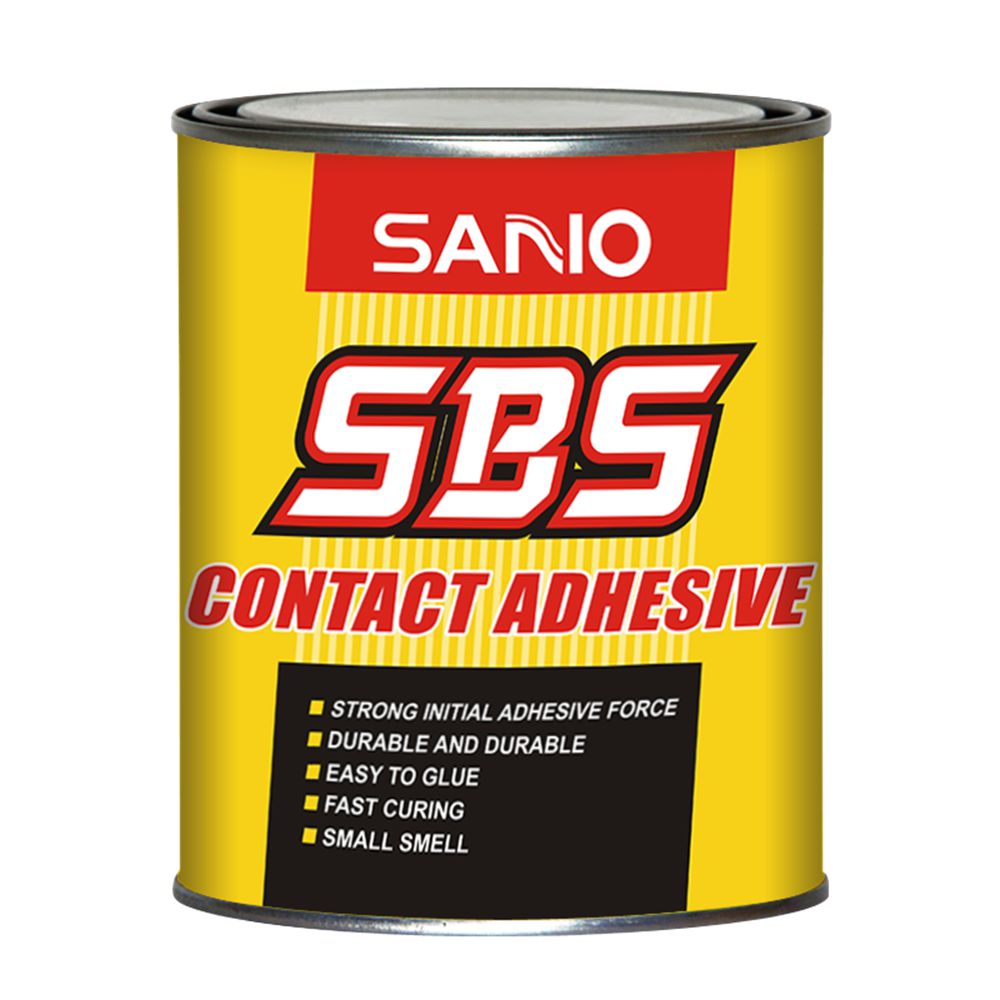
Decades of field testing inform sensible procurement. Laboratory protocols and on-site trials must guide decisions rather than marketing claims. Consider findings presented at the Adhesive & Sealant Council annual meeting for industry benchmarks on material compatibility and supplier capabilities; these sessions routinely compare formulation stability, application methods and regulatory compliance across suppliers. For sourcing that includes bonded assemblies, engaging a reputable contact adhesive manufacturer early simplifies joint specification and reduces interface failures.
Practical checklist before purchase
Require technical data sheets and specific test reports. Run a short field trial under representative load and environment. Verify MSDS, VOC content and storage requirements. Confirm supplier can provide batch traceability and technical support within your region. Price only after these steps; otherwise you buy risk, not lubricant.
Conclusion
Buyers solve the core problem—unexpected wear and process disruption—by imposing measurable tests, matching delivery method to duty, and demanding supplier transparency. A supplier that combines formulation expertise, consistent quality control and accessible technical support reduces procurement risk, which is why many teams rely on partners such as SANVO for integrated solutions rather than commodity purchases.