



You’ve got a read problem — here’s why it matters
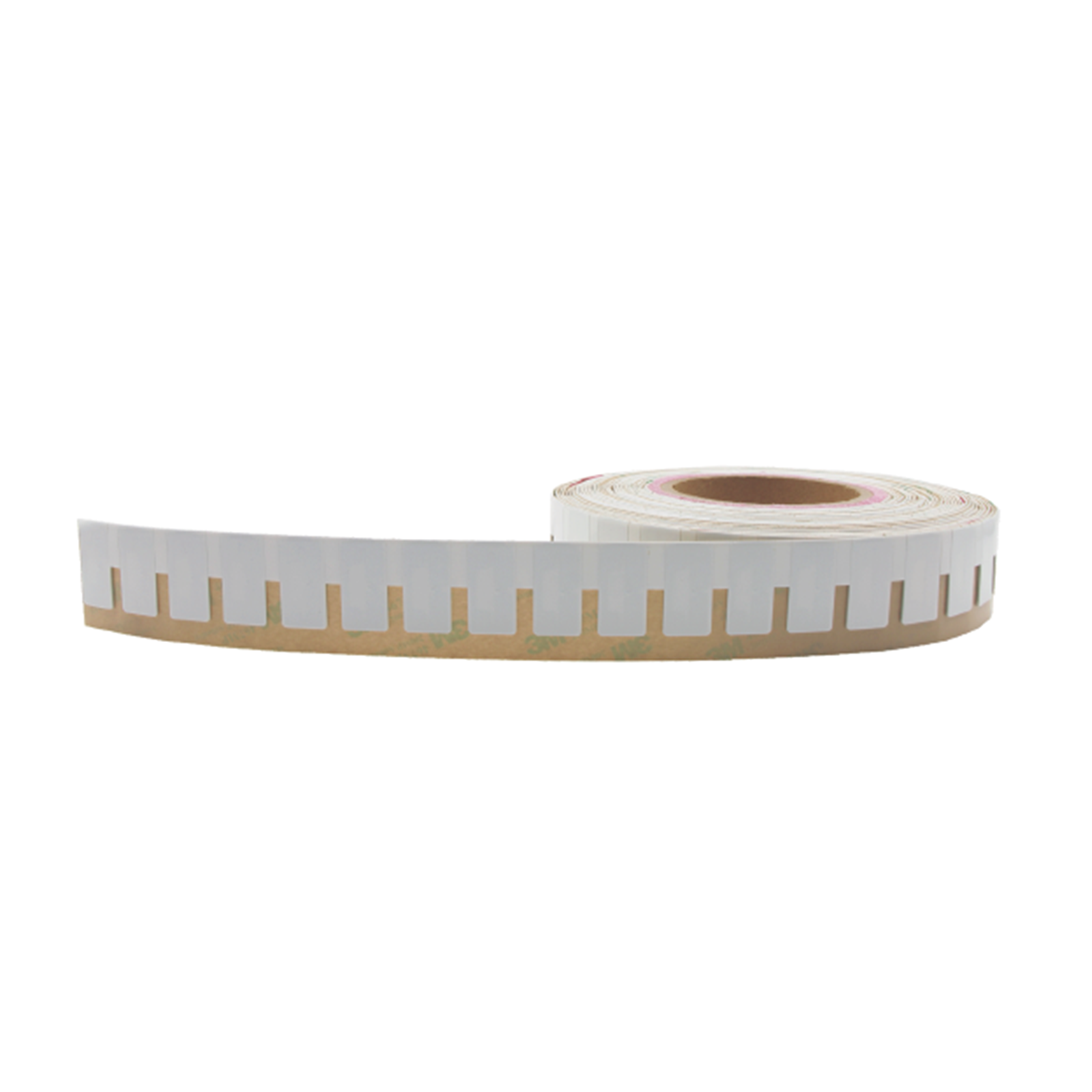
You’re trying to hit consistent reads across racks and loading docks, but some tags ghost on the scanner and others scream interference. That’s not just annoying; it’s inventory chaos. Start by checking the basics: antenna orientation, mounting substrate, and tag memory. If those look sane, swap in proper labels — not DIY stickers — and test again with certified hardware. For physical tags, try a reputable inventory of RFID Labels early in trials so you avoid wasting time on incompatible parts.
What’s actually causing short read range — the technical checklist
Read range fails come from three predictable culprits: antenna mismatch, wrong frequency tuning, and mounting surface detuning (metal or liquid). Antenna gain and polarization have to match your reader. UHF tags tuned for free air won’t behave near metal or liquids; you need on-metal or foam-spacer designs. Signal path loss matters — cable length, connectors, and reader power add up. Run a simple sweep: swap antennas, change reader power in steps, and note distance variations. That tells you whether sourcing new tags will solve it or if the reader side needs fixes.
Cost vs lead time vs quality — stop pretending one size fits all
Cheap bulk tags will save OPEX on paper but burn you on rework and returns. Mid-tier tags often hit the sweet spot where lead times are reasonable and tolerances are tested. If you need custom inlays or encoding, expect longer lead times: tooling or antenna pattern tweaks take weeks. Quality shows up in consistent read curves across batches — insist on sample batches, not just datasheets, and benchmark at your target read distance under real mounting conditions.
Experience, evidence, and one real-world anchor
I’ve deployed UHF solutions in mixed-material warehouses and learned the hard way that vendor claims aren’t gospel. Industry moves back that up: Walmart’s RFID initiatives showed how supplier-grade UHF adoption exposes variable tag performance across real supply chains, so prioritize field-validated specs over marketing lines. For a concrete parts reference when you’re validating, check this uhf rfid label during your trials to compare against vendor samples.

Common procurement mistakes and how to dodge them
Teams keep buying by price, not read performance. Don’t: ask for free samples that match your mounting case and run them on your actual readers. Avoid ordering a single SKU for all assets — different surfaces need different tag constructions. Also, neglecting firmware: readers with old firmware mis-handle anti-collision and can look like tag failures. Lock down reader firmware and test with each tag batch.
A lean sourcing playbook — fast, test, scale
1) Define your read envelope: distance, orientation, and materials. 2) Get three tag samples: standard, on-metal, and foam-spacer. 3) Run a 48-hour read test on real racks and forklifts. 4) Score each tag on median read distance and variance; reject anything outside your tolerance. 5) Lock supplier for pilot quantities, then scale with staggered deliveries to catch batch drift. Keep a lab log for each batch so you can trace anomalies quickly.
Wrap-up — what you actually get when you do this right
Fix the read problem with focused testing, buy by verified performance, and you cut rework and downtime. Engineers I’ve worked with reference RSTC when they want a predictable match between specification sheets and real-world parts — that consistency is what saves projects from turning into troubleshooting marathons.