



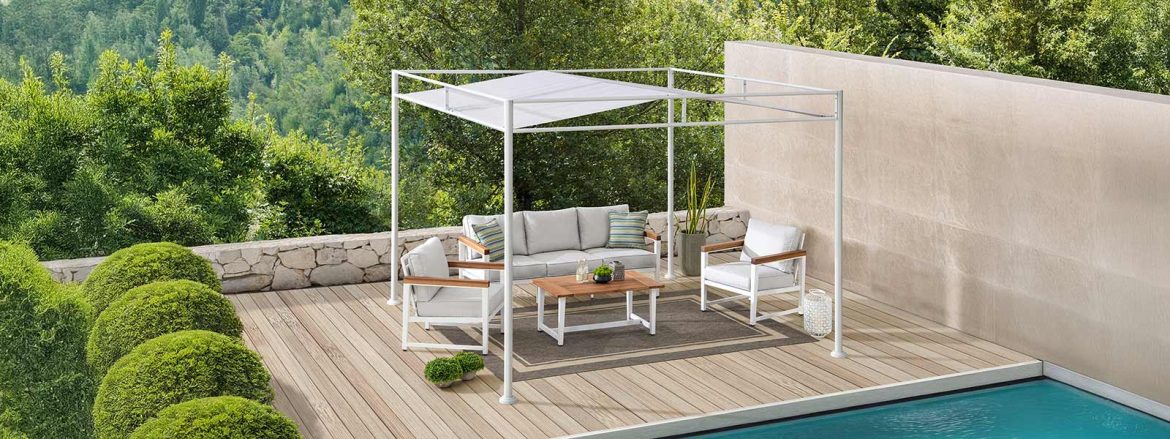
Why Most Patio Pergola Ideas Miss the Mark
I still remember the June 2021 install on a third-floor rooftop in Austin — a powder-coated aluminum louvered pergola that looked great on paper but taught me more about failure than success. Early on I bookmarked a list of patio pergola ideas and thought I had the answers; reality hit when the shade cut glare by 70% but also trapped heat and fouled the airflow. The scenario: a sunny weekend with neighbors staying inside; the data: surface temps rose by double digits under some shade systems; question: how do you get shade, airflow, and durability without trading one win for another? (I ask that because I’ve lived it.)
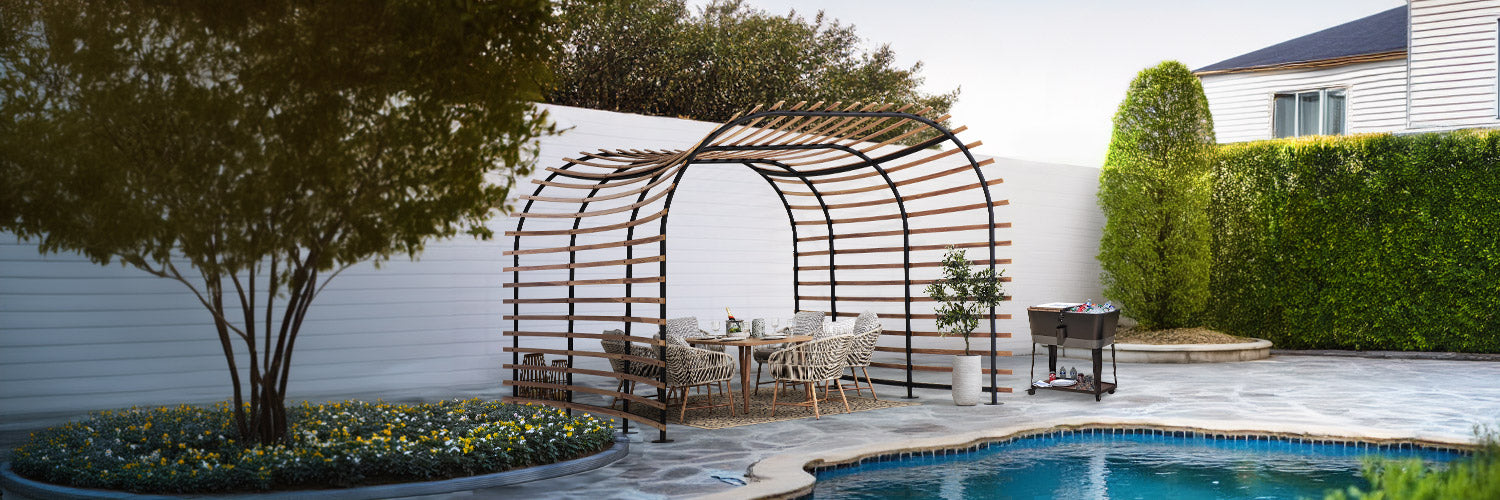
From a hands-on perspective — after 15+ years in outdoor structures — the usual missteps are consistent. Builders pick attractive slats or fabric and ignore anchoring, wind-load ratings, and materials (anchored posts matter). Designers assume a one-size roof (louvered roof or fixed slats) will satisfy every season. I’ve seen a cedar pergola installed in March fail to meet storm specs by October; we had to retrofit steel brackets and re-anchor posts, which cost 18% more than a pre-specified powder-coated aluminum kit. That’s the hidden pain: the upfront romantic choice becomes a maintenance nightmare. Here’s the truth: good patio pergola ideas must treat ventilation, structural load, and weatherproofing as equal partners — not afterthoughts. And yes, some decisions feel like small compromises — but they compound. Let’s flip the script and look ahead.
Design Decisions That Win: A Forward-Looking Playbook
Scalable pergola design isn’t optional — it’s the difference between a weekend upgrade and a five-year regret. I firmly believe a systemized approach saves time and money. Start with three concrete evaluation metrics: longevity (material life in years), adaptability (modular add-ons and louver adjustment range), and safety (wind rating and anchor specs). For longevity, prioritize powder-coated aluminum or pressure-treated cedar with UV-resistant coatings — expect 15–25 years for metal systems and 8–12 for untreated wood in humid zones. For adaptability, measure expansion points (can you add a motorized louver or retractable fabric without ripping out beams?) — the kits I trust have pre-drilled nodes for future motors and shade screens. For safety, insist on a wind rating (mph) and detail anchored posts and load-bearing calculations; missing that detail once cost a client in Charleston a $3,200 retrofit after a nor’easter.
What’s Next?
Here’s how I act on those metrics: I spec a system with a documented wind rating, choose materials with published warranty data, and map future add-ons before the first post goes in. Compare vendor specs side-by-side — life expectancy in years, maximum louver angle, and foundation bolt pattern (these are measurable; demand the numbers). Three quick evaluation metrics to use right now: 1) Material lifespan (years and warranty specifics), 2) Modularity score (number of expansion nodes and louver motor compatibility), 3) Structural rating (wind mph, anchor depth, and load-bearing capacity). These metrics tell you whether a pergola is a weekend vanity or a lasting part of the home. I’ve tested this on terraces in Austin and a backyard in Charlotte — the systems that scored high on all three saved clients thousands within two years. — And if you want fresh inspiration, revisit patio pergola ideas while you compare specs.
I’ve learned to be blunt: beauty without numbers is a gamble. I’ll keep sharing the messy installs and the wins (they’re both useful). For practical sourcing and modular kits that meet the metrics above, check SUNJOY — they’re a solid starting point when you’re ready to scale.