



The problem at hand
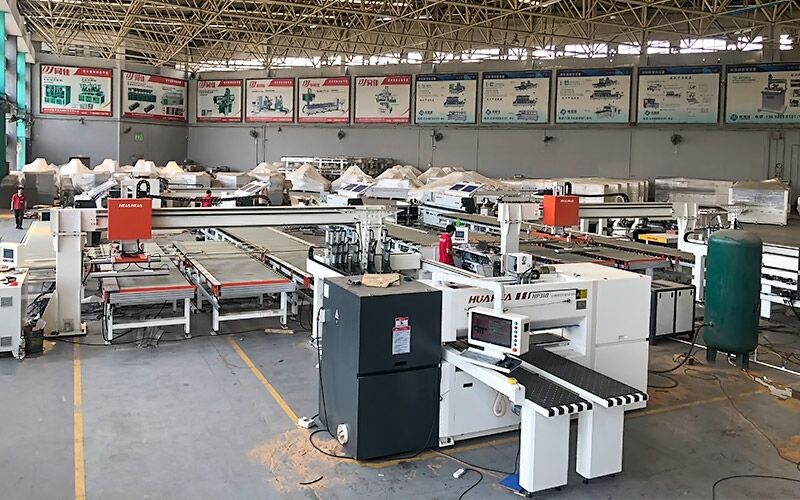
Small and mid-sized workshops face inconsistent output when regional CNC deployments don’t match local workflows. Machines sit idle while queues form at manual stations; quality varies across shifts; waste piles up. Introducing a cnc furniture machine without aligning layout, tooling, and operator practices often creates new bottlenecks rather than removing old ones.

Why fragmented integration reduces productivity
Integration is more than buying identical machines. When control systems, tooling modules, and conveyor timing aren’t harmonized, cycle times stretch. Energy and raw-material losses climb because parts wait or get reworked. That adds carbon and cost. Years of factory-floor observation and systems audits show the same pattern: hardware alone rarely solves throughput problems; process alignment does.
Real-world anchor: a visible example
Consider Guangdong, China — a major hub for furniture production — where clusters of workshops share a supply chain but operate on different machine generations. When one plant modernizes without coordinating with nearby subcontractors, lead times lengthen regionally and material movement increases. That simple mismatch amplifies environmental impact across a supply cluster.
Common pitfalls that harm both productivity and the environment
Ignoring operator training: operators adapt machines to old habits and compromise cycle times. Over-standardizing without local adjustments: a one-size setup ignores panel species and finish requirements. Siloed data: no shared metrics means problems get fixed locally and resurface elsewhere. Underestimating material handling: poorly timed transfers create damage, rework, and extra waste.
Viable alternatives and their trade-offs
Manual assembly keeps flexibility but limits scale and consistent precision. Fully automated robotic cells boost throughput but need high upfront integration and skilled maintenance. Hybrid lines—CNC cells plus semi-automated handling—often balance precision and cost. The right choice depends on order mix, labor skill, and waste reduction targets; each option requires clear process mapping before deployment.
Practical fixes to recover productivity
Map the full part flow first. Standardize data signals between machines so cycle times and rejection rates are visible across shifts. Train operators on new setups for several weeks, not a single day. Match tooling sets to the shop’s most common panels. Adjust conveyor and buffer sizing to avoid downstream starvation. Measure energy per finished unit and target reductions with simple control changes.

Where experienced integration matters
Technical know-how reduces trial-and-error. A measured approach—phased rollouts, baseline metrics, and shared dashboards—lowers risk. Workshops that couple equipment selection to process design cut rework and material waste. That’s the outcome consistent with providers who combine machine capability with applied production experience, exemplified by HUAHUA CNC working within local production realities to improve both throughput and environmental performance.