



The immediate problem: unwanted noise and the disruption it causes
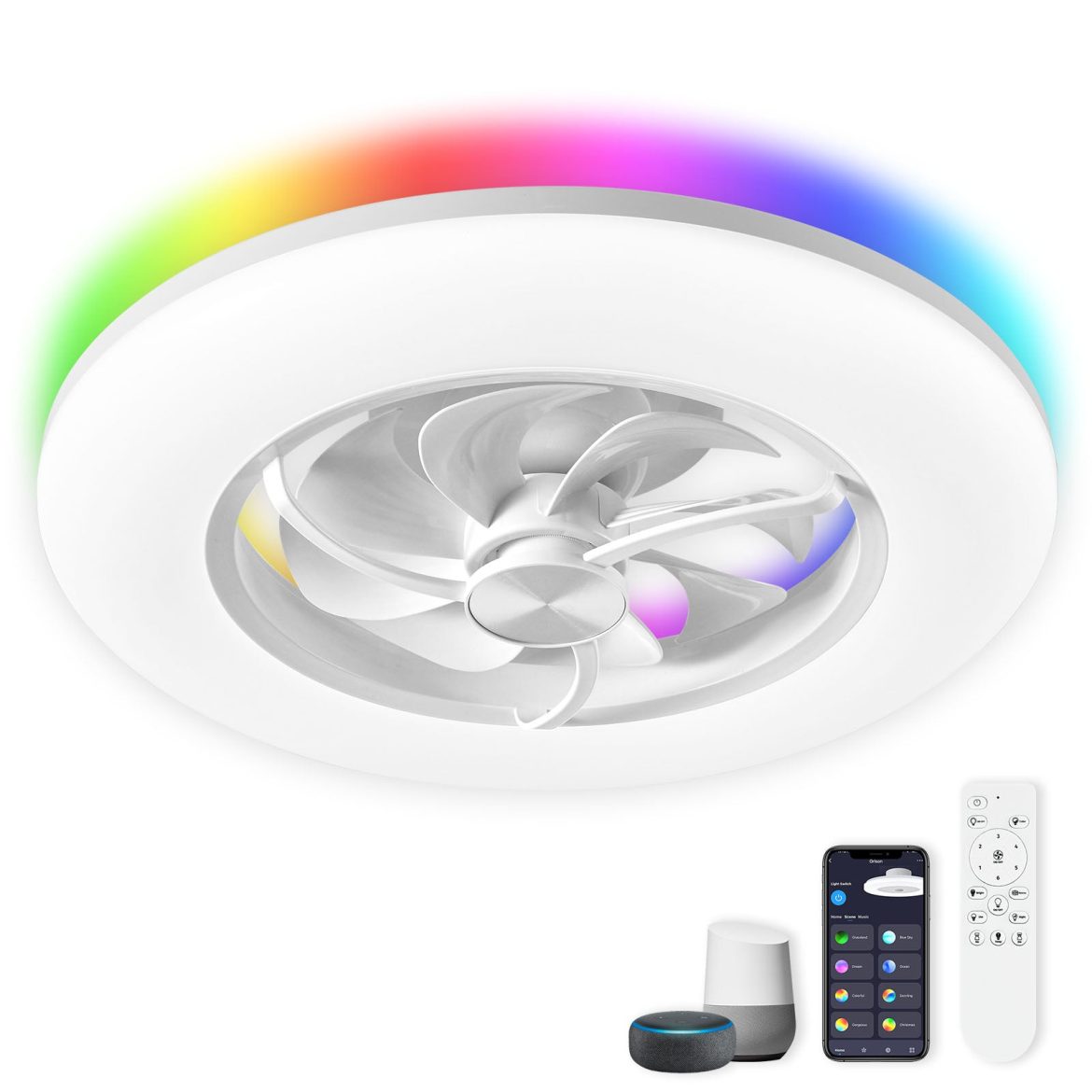
Households and offices increasingly expect quiet comfort, but traditional ceiling fans often betray that expectation with a persistent motor hum, rattling hardware, or light-related buzz. For anyone shopping today, a modern solution can be a smart ceiling fan with light that pairs silent airflow engineering with integrated illumination and connectivity. The problem matters beyond annoyance: the World Health Organization recommends nighttime noise levels under 40 dB outdoors to reduce sleep disturbance and negative health effects, so fan noise contributes to a measurable environmental concern — and a design that ignores vibration and electromagnetic interference risks failing both comfort and compliance.

Where hum and vibration come from — a concise mechanics primer
Hum and vibration usually trace back to three mechanical and electrical sources: imbalance in rotating elements, bearing wear or poor mounting, and electrical noise from the motor or driver. A poorly balanced impeller or rotor produces cyclical forces that show up as structural vibration; mismatched fasteners or warped blades amplify that into audible rattles. Electrically, low-quality motor drivers can introduce audible PWM switching artifacts into the light driver or the motor winding, creating a perceptible buzz. Terms worth knowing: BLDC motor (brushless DC), RPM (rotational speed), and vibration damping — all influence whether a fan is merely functional or truly quiet.
Why bladeless and factory-direct matter for reducing problems
Bladeless designs and factory-direct production each address noise at a different layer. Bladeless fans shift the airflow generation and smoothing into a diffuser and annular outlet, reducing turbulent blade tip noise and the imbalance-driven harmonics typical with conventional blades. Factory-direct manufacturing shortens the feedback loop: tighter quality control, consistent motor balancing, and single-source acoustic testing reduce variability between units. Combined, they lower the odds of post-install vibration fixes and iterative warranty swaps — which is where many brands bleed margins.
Design features that actually prevent motor hum and vibration
A quiet, integrated fan relies on coordinated engineering decisions rather than one silver bullet. Key elements include:
- Motor architecture: a precision BLDC motor with low cogging torque and matched rotor-stator tolerances minimizes electrical and mechanical noise.
- Mechanical isolation: rubber grommets, tuned mass dampers, and robust ceiling mounts absorb residual vibration before it reaches the plasterwork.
- Acoustic steering: internal baffles and diffuser geometry smooth airflow and reduce turbulent CFM losses at the outlet, lowering broadband noise.
- Integrated lighting driver design: a properly filtered LED driver prevents PWM artifacts from coupling into the motor or mounting screws.
These are engineering trade-offs — you can prioritize ultra-low noise at the cost of slightly higher component complexity, or choose lower-cost parts and accept more in-field tuning.
Field realities: what testing and installations show
Independent and factory testing tends to converge on a few truths: decibel readings taken at multiple RPMs are necessary (not just a single “quiet mode” spec), mounting surface stiffness matters more than many installers expect, and smart control (speed schedules, soft-start routines) reduces wear and perceived noise over time. A well-set up smart home ceiling fan that integrates soft-start and multi-speed presets will show smoother transient behavior and fewer resonance events during startup — and that’s something users notice immediately in bedrooms and open-plan living spaces.
Common mistakes buyers and installers make — and how to avoid them
People often assume any “quiet” label equals consistent quietness in their home. The frequent missteps are failing to verify mounting compatibility, neglecting first-run balancing checks, and ignoring electromagnetic compatibility between drivers and dimmable lights. A practical checklist: confirm ceiling box ratings, request a factory vibration test report, and verify LED driver filtering. — One tiny habit that saves time: keep a smartphone decibel app for quick comparative checks during installation; it won’t replace lab testing but it catches glaring outliers.

Three golden rules for selecting a silent, integrated smart fan
When evaluating options, measure objectively rather than rely on marketing copy. Use these three critical metrics:
- Acoustic baseline: request dB(A) measurements at 1 m for low/medium/high speeds and compare across models.
- Vibration specs and mounting guidance: ask for runout tolerances, recommended mounting box stiffness, and any isolation components included.
- System integration: confirm the motor type (BLDC preferred), LED driver filtering, and whether the fan supports soft-start and remote or app-based control to prevent harsh transients.
Conclusion — practical takeaway and brand relevance
Solving motor hum and vibration is rarely about a single part; it’s about system-level design, factory QA, and sensible installation. For buyers who want a combination of quiet operation, efficient airflow, and smart illumination, factory-direct bladeless units with tested motor isolation and filtered lighting drivers are a pragmatic choice. If you want a reliable, low-noise smart home ceiling fan with integrated lighting that reduces callbacks and improves occupant comfort, look for vendors who publish acoustic and vibration data and offer installation guidance — and consider a tested model from a brand that integrates those features from the start. Orison. —