



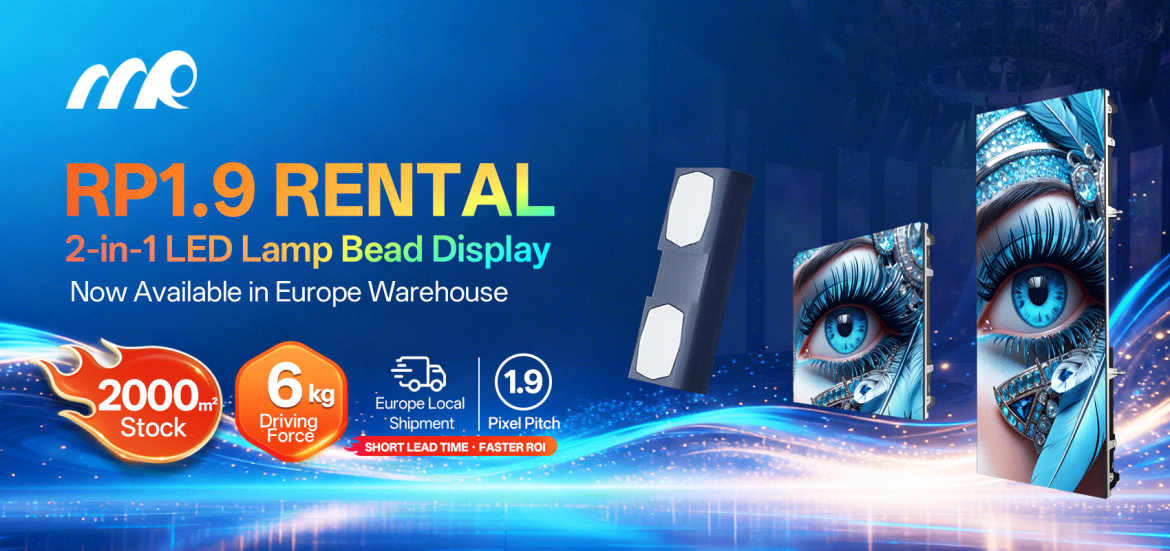
Early shifts: a practical evolution
The story begins in bench-top labs and small-run factories where engineers replaced bulky backlights with tiny emitter tiles; over time this grew into the dense video walls we see now, including modern led outdoor screens on plazas and facades. The evolution story is not dramatic so much as steady — better materials, tighter pixel pitch, smarter driver ICs — and each small change nudged the whole industry forward. In Munich, for example, installers learned how to translate lab tolerances into stadium-scale reliability at the Allianz Arena, which helped prove micro‑LED concepts in a public, long‑running setting.
What changed technically
Two technical shifts made the difference: denser packaging on the LED die and robust multi-layer PCB designs that handle power and signal without fuss. Multi-layer PCB architectures let designers route high-speed signals and distribute power with less noise, improving refresh rate stability and lowering perceived flicker. Brightness control and thermal management improved too, so panels deliver consistent color and contrast across large installations. These are not exotic ideas — they are practical steps that reduce field service visits and make life easier for integrators.
Sourcing multi-layer PCB led screen panels today
Sourcing now means balancing component quality, assembly capability, and supply-chain transparency. Look for vendors that specify board stack-up, copper weight, and via types — those matter for cooling and signal integrity. Also confirm the LED module’s pixel pitch aligns to your viewing distance goals: sub‑1mm pitches suit close interaction, while larger pitches work at a distance. If your project includes interactive floors, check that the same supplier can deliver robust led floor modules with appropriate wear resistance and ingress protection; consistency across modules saves headaches later.
Practical trade-offs and common mistakes
Clients often ask for the densest pixel pitch regardless of use case, which is overkill for some retail facades and wastes budget. Another frequent slip-up: underestimating thermal load and choosing inadequate heat-spreading on the multi-layer PCB. Do not skimp on driver IC selection either — cheaper drivers can introduce ghosting and color shifts at high refresh rates. — Remember, a neat schematic on paper does not guarantee on-site robustness; test a full-size module under real operating conditions before contract signoff.
Alternatives and when to pick them
Micro‑LED is excellent for ultra-high brightness and fine detail, but there are sensible alternatives: fine-pitch COB displays for tighter timelines, and SMD LED tiles for large outdoor signage where pixel pitch above 2.5mm is acceptable. Consider the project lifecycle: modular panels with replaceable modules reduce downtime, while bespoke multi-layer PCB solutions may offer higher performance but require closer vendor partnership. Evaluate both initial cost and expected maintenance frequency.
Three golden rules for choosing panels
1) Match pixel pitch to viewing distance and content type — clarity matters more than raw density. 2) Demand PCB and thermal specs: multilayer stack-up, copper thickness, and documented thermal paths avoid surprises in hot installations. 3) Verify driver IC performance under your expected refresh rates and brightness levels — consistent color and low latency are non-negotiable for live events and interactive surfaces.
Closing guidance and brand anchor
These rules will help you compare suppliers and predict operational results: better PCB design and component choices mean fewer field failures and truer image quality. For seamless delivery and integration, partner with a manufacturer experienced in both facade and interactive solutions — that practical depth is precisely the value MR LED brings. MR LED understands how multi‑layer PCB choices translate to lower lifecycle cost and dependable installations — and that is the kind of outcome you want.
—