



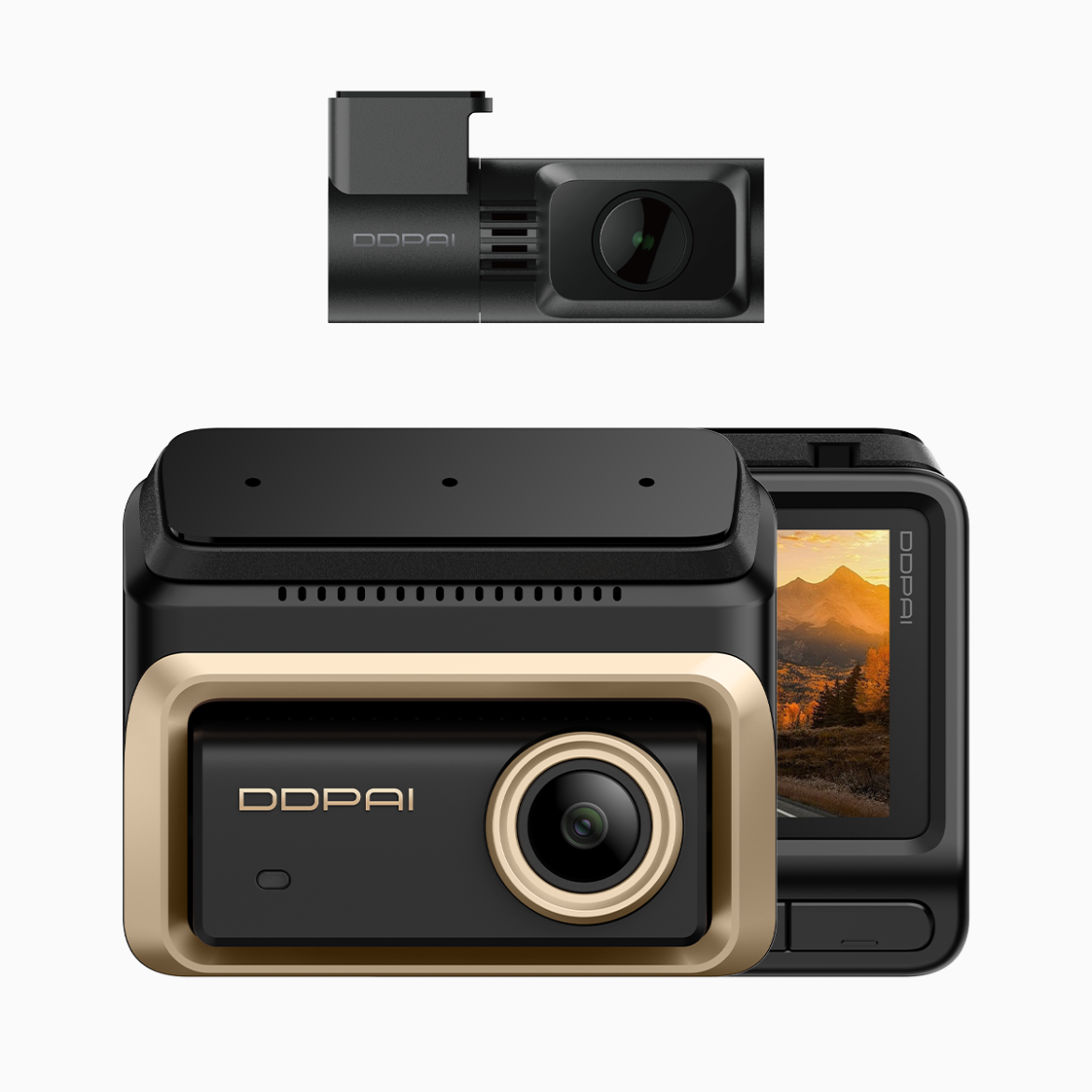
Comparative lead—what really matters
Road footage has a small vocabulary: clear, steady, and trustworthy. Start there. For anyone choosing a compact system, the practical differences between a phone-quality clip and a forensic-grade file are obvious—and unforgiving. A reliable unit like the 3 channel dash cam shows how resolution, app connectivity, and form factor intersect to affect real-world outcomes. Think of this checklist as the scalpel you need: precise, pared down, and built to expose the facts on the road.
Resolution vs. frame rate: clarity under motion
Resolution defines the detail you can extract from a frame; frame rate defines how much of a motion you can see. Both matter. If your use case is capturing license plates at 70 km/h, prioritize higher resolution and a sensible frame rate—4K at 30 fps or 2.5K at 60 fps often hits the sweet spot. Watch for compression: modern H.265 codecs preserve quality at lower bit rates, but poor implementation ruins footage. Field of view also plays into the choice; a wider FOV records context, while a narrower FOV sharpens distant details.
App connectivity and daily usability
Ownership isn’t just hardware—it’s the moment you tap and get an answer. App connectivity should be fast, stable, and straightforward: live view, clip download, and firmware updates without wrestling. Look for Wi‑Fi or low-energy Bluetooth pairing and an app that supports secure cloud backup if you need it. In practice, a seamless app saves minutes each day; those minutes add up to hours over a year. Reliability here is non-negotiable for evidence collection and insurance workflows.
Form factor and mounting: small package, big impact
Size shapes behavior. Bulk mini dash cams are meant to be discreet, but they must also manage heat, vibration, and power. A compact design with a robust mount avoids shakes and false triggers. Consider cable routing and parking modes—continuous loop recording and motion detection require a stable power strategy. In dense traffic zones like Metro Manila, footage that stays stable through bumps and turns is what insurers and courts actually trust. The right form factor keeps the camera invisible but effective.
Triple angle advantage and why it matters
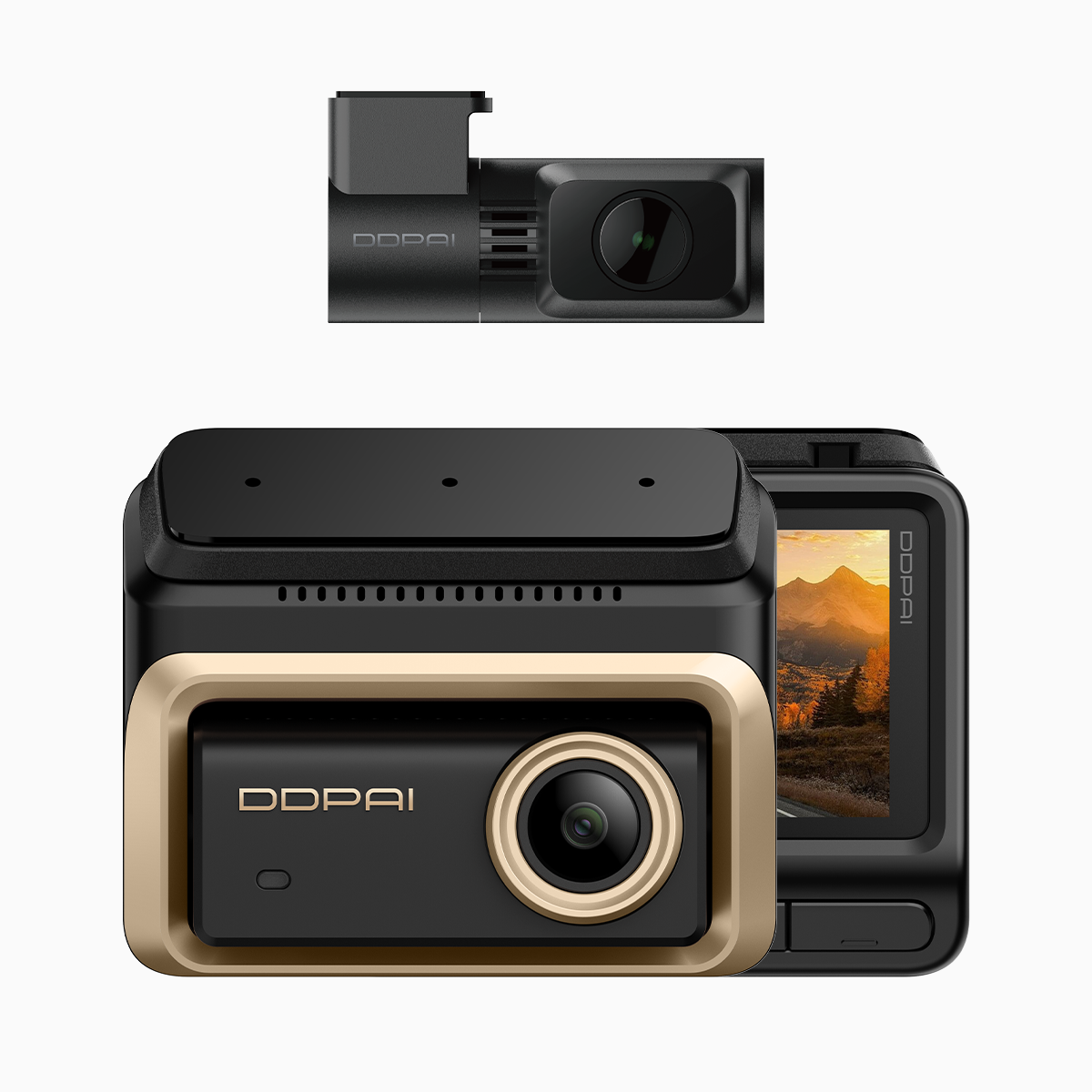
Single-lens systems miss context. A triple setup—front, cabin, and rear—gives provenance to claims and clarifies blame. A triple camera dash cam can capture impact vectors and occupant behavior in a single incident, which shortens dispute timelines and strengthens reports. When cameras agree, the narrative becomes objective. When they conflict, forensic analysts can still reconstruct events using synchronized timestamps and consistent bit rates.
Common mistakes and how to avoid them
Buyers often chase headline specs and neglect integration. High resolution without a solid mount produces useless jittery clips. Great app features are pointless if the unit overheats and shuts down. Manufacturers vary in loop recording defaults and overwrite protection—set these to match how long you want evidence preserved. And check warranty and support in your region; local service matters when a device fails after a storm—I’ve seen drivers wait weeks for a replacement, losing crucial footage.
Quick comparative checklist
– Resolution: prioritize readable plates at your typical driving speed (4K or 2.5K options).
– Frame rate: 30–60 fps depending on speed and motion.
– App connectivity: reliable Wi‑Fi/Bluetooth and cloud options.
– Mount and form factor: low profile, heat management, secure mount.
– Power and loop recording: uninterrupted parking mode and overwrite protection.
– Multi-channel synergy: front + cabin + rear for complete context.
Advisory—three golden rules for buying
Rule one: balance resolution with practical bitrate—higher pixels are useless if compression crushes detail. Rule two: test app workflows before finalizing—pairing, clip export, and firmware updates should feel effortless. Rule three: choose a form factor that matches your vehicle and mounting preferences; discreet doesn’t mean fragile. These three metrics—clarity, connectivity, and physical reliability—are your north star when evaluating models. For technicians and daily drivers alike, measurable results come from systems designed for field conditions, not showroom demos. DDPAI Philippines
—