



Introduction — A Quiet Hall, a Flicker, a Question
Have you ever stood in a sterile plant and felt the silence press like a lid? The hum of conveyors, the tick of PLC controllers, and then—sudden halt. I’ve seen that moment more than once. The wet tissue machine at the heart of the line stops and productivity drops; moisture sensors flash warnings and the room smells of worry. Recent audits show up to 12% yield loss in some facilities—numbers that sting. So why do these failures keep happening in systems we thought we understood?
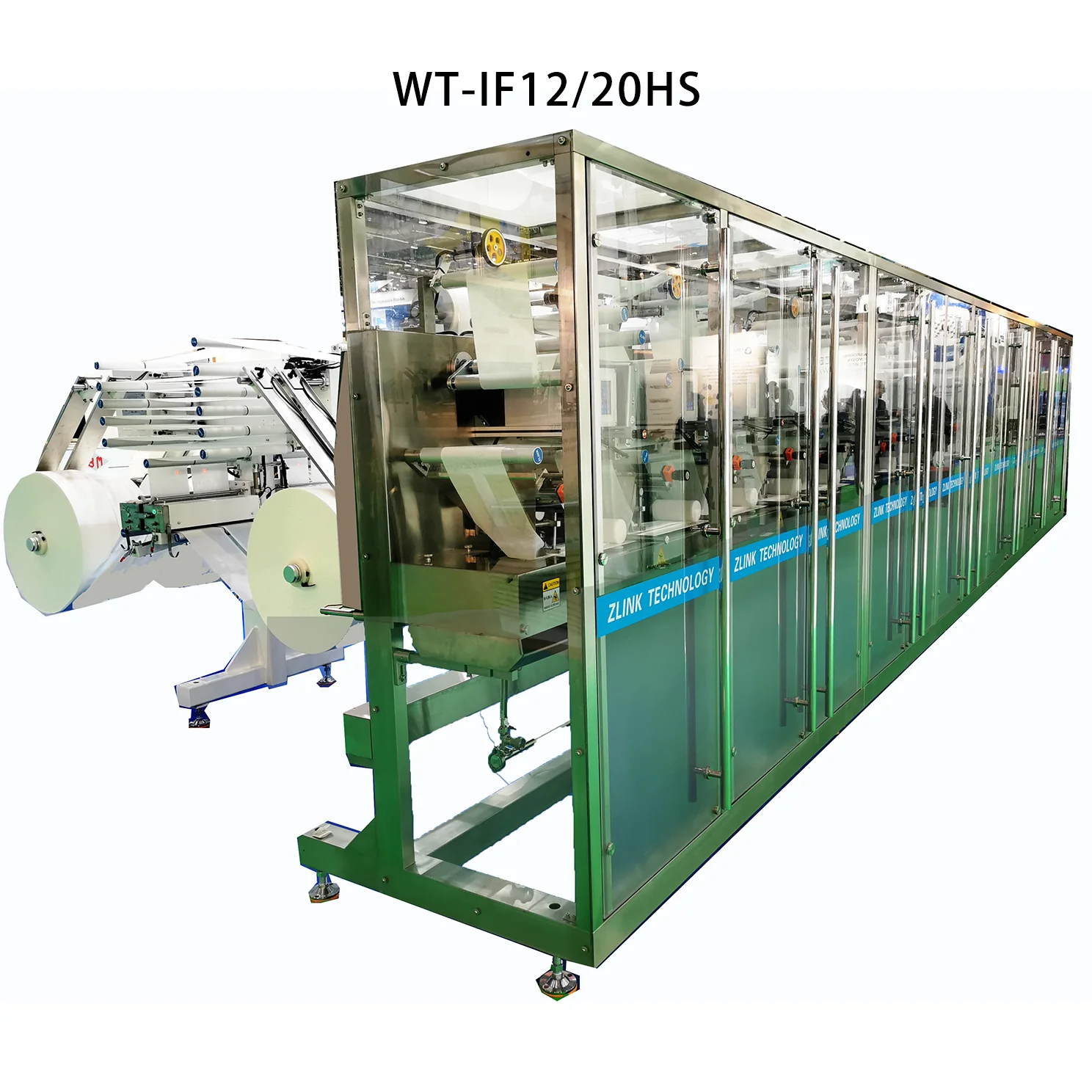
The scene is almost gothic: cold metal, pale light, a line of sanitary products waiting for salvation. We tell ourselves the equipment is sound; we trust servo motors and power converters to do their work. Yet the data whispers otherwise. (Workers sigh. Managers adjust spreadsheets.) I want to pull back the curtain and look closely—because the problem is not always obvious. Let’s walk into the machinery and see what’s hiding in the shadows.
Beneath the Surface: Hidden Failures and Design Flaws
sanitary wipes are a simple product to hold, but making them at scale is complex. I’ll be direct here: many wet tissue machine lines were designed for decades-old assumptions. They assume uniform fabric feed, perfect humidity, and flawless seals. Reality is messier. In my work on packaging line upgrades I’ve found weak points in web handling, inconsistent dosing, and poor transfer to packaging that create tear, waste, and microbial risk. Moisture sensors can drift. Servo motors misalign. The result? Higher rejects and angry customers.
Look, it’s simpler than you think—sometimes the fix isn’t a full rebuild. We often overlook maintenance of edge components. PLC controllers get noisy; belts wear unevenly; cleanroom protocols slip between shifts. These are not sexy problems, but they are where production breaks down. In short: traditional solutions focus on single points, not system behavior. That leaves users holding the product—and the problem. Why tolerate that? We don’t have to. — funny how that works, right?
What goes wrong?
Common failure modes I see: web wrinkling during high speed, adhesive dosing variance, and humidity-driven dimension change. Each fault multiplies the next. The machine’s control logic may be rigid, lacking adaptive feedback. When one component lags—say a power converter supplying inconsistent voltage—the whole line feels it. We need to think in systems, not parts.
Looking Forward: New Principles for Wet Tissue Machine Design
We must adopt new technology principles that treat the line as a living system. I recommend three shifts. First, build adaptive control loops that use real-time data from moisture sensors and vision systems to correct feed and dosing on the fly. Second, design modular subsystems—swap a servo motor or a dosing head without halting the whole line. Third, make maintenance visible: predictive alerts from edge computing nodes, clear dashboards, and fault logs that tell a human what to do next.
These ideas are not theoretical. In pilots I’ve helped run, adding a simple feedback loop cut rejects by nearly 30% within weeks. The cost was modest. The team learned to trust data rather than habit. For manufacturers of sanitary wipes, that trust matters—customers expect safety and consistency. We can engineer for that. (Implementation takes discipline.)
Real-world Impact — What’s Next?
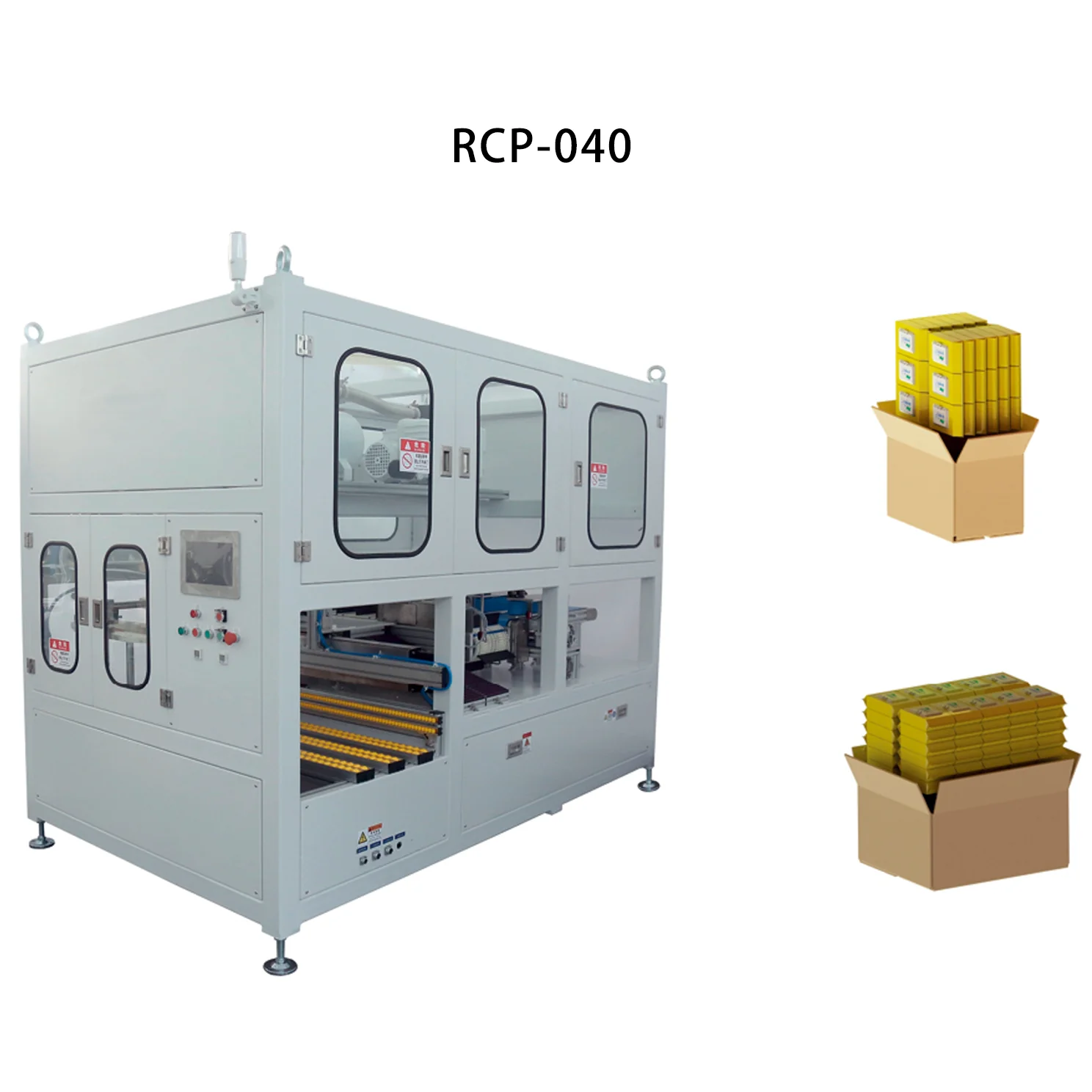
Moving forward, measure what matters. Track yield per roll, mean time between failures, and contamination incidents. Compare new modulary retrofits with full replacements. I’ve seen clients prefer phased upgrades; they get results fast and reduce risk. The future is about smarter lines, not just faster ones. — and we get to build those lines.
Conclusion — Lessons, Measures, and a Human Note
I’ll leave you with three concrete evaluation metrics to judge any solution: first, reduction in wrap and tear rejects; second, improvement in uptime measured in hours per month; third, reduction in contamination incidents per million units. Use them as your compass when choosing upgrades or vendors. I’m confident these measures work because I’ve used them. They force honest conversations and real trade-offs.
We care about the people who run these lines. We worry about the babies and patients who use the products. That motivates me. If you want practical, human-centered improvements in wet tissue machine lines, start with small, measurable changes. And when you need a partner who understands both the machinery and the mess—consider teams that have done this hands-on. For manufacturers aiming to fix root causes and not just symptoms, I recommend checking work from industry leaders like ZLINK. They know the machines—and they know the people.