



Problem: Bills up, performance down
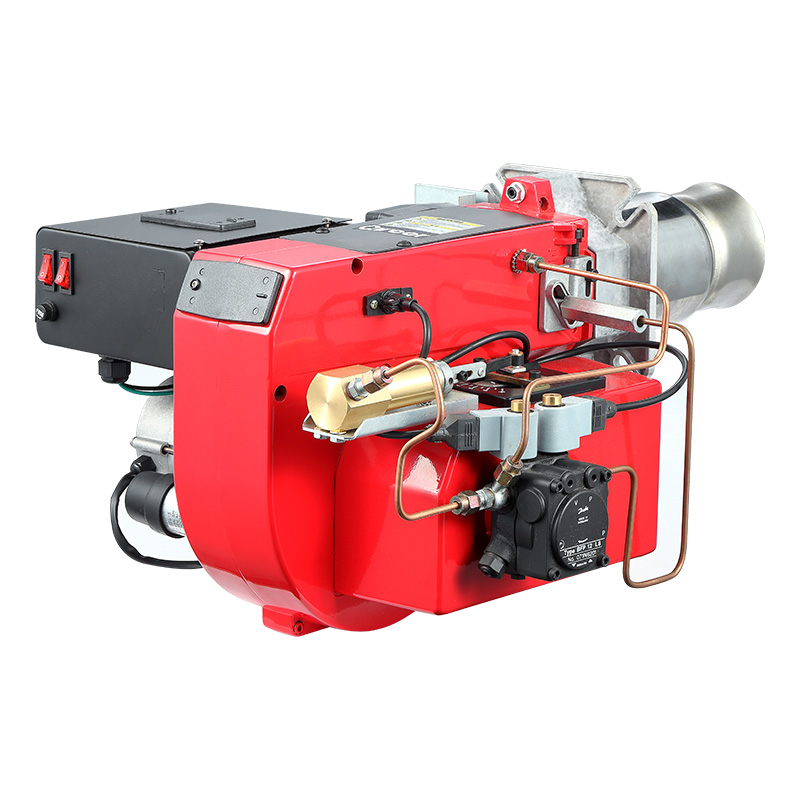
Shiok or not, when an oil-fired system runs inefficiently the signs are obvious: fuel bills climb, soot builds, and downtime increases. Plant managers keep asking why the same burner gives different results day to day — poor atomisation, wrong air settings, or simply an ill-chosen unit. If you want consistency, better start by reviewing the actual hardware, not just the invoices; an industrial oil burner is only as good as its tuning, installation, and the process around it.

Why this problem matters now
Poor combustion eats margin. More fuel burned for the same heat means higher operating cost and more maintenance: faster corrosion, clogged strainers, and extra cleaning cycles. For engineers, the risk is widened control bands and unpredictable output. For safety teams, incomplete combustion raises CO and soot risks. Fixing efficiency isn’t fashionable talk — it’s stopping wear-and-tear and stabilising the process so production doesn’t have to compensate every week.
Common root causes you can spot quickly
Look for these repeat offenders: wrong nozzle orifice, atomiser wear, incorrect air-fuel ratio, uncalibrated controls, and poor fuel handling (contamination, temperature swings). Installation mistakes — long, uninsulated runs, bad pump sizing, or wrong filter choices — turn an otherwise good burner into a fuel-guzzler. These are concrete, fixable items; not mystical engineering problems.
Real-world anchor from field work
After 12 years servicing boilers across industrial sites in Singapore, I’ve seen the same lesson: a properly adjusted furnace oil burner cuts fuel use and stops soot before it starts. Simple measures — correct nozzle selection, clean fuel, and routine combustion tuning — often deliver returns within a few months. That hands-on experience lines up with regulatory pushes in Europe and elsewhere to tighten emissions and efficiency for small boiler houses, so this isn’t isolated to one plant.
Mistakes teams keep repeating
1) Trusting factory defaults — don’t. Burners arrive tuned for ideal lab conditions, not your oily, rusty headers. 2) Skipping regular O2/CO checks — no readings, no control. 3) Treating fuel temperature as minor — bad atomisation follows. 4) Overlooking airflow balance — poorly routed ducts kill flame stability. Each mistake chips away at burn efficiency; small fixes stack into big savings.
Practical steps that actually work
Measure first: stack temperature, excess O2, and CO immediately after an overhaul. Replace worn nozzles on schedule, not when they fail. Use proper fuel preheating to stabilise viscosity and atomisation. Fit a reliable flame safeguard and modulating control where load varies. If retrofitting, choose low-NOx, high-turn-down burners to lower emissions and improve match to process demand. Documentation matters: log every tuning change so you know what improved performance.
Alternatives and trade-offs
Switching to gas burners cuts soot and usually lowers maintenance, but gas availability and price volatility matter. Electrification removes combustion risk but can be costlier at scale and may need grid upgrades. Biomass works for some sites but brings fuel handling complexity. Each alternative trades combustion control for different operational constraints — decide based on fuel reliability, site emissions limits, and total lifecycle cost, not just sticker price.
End point: make it measurable and stay steady
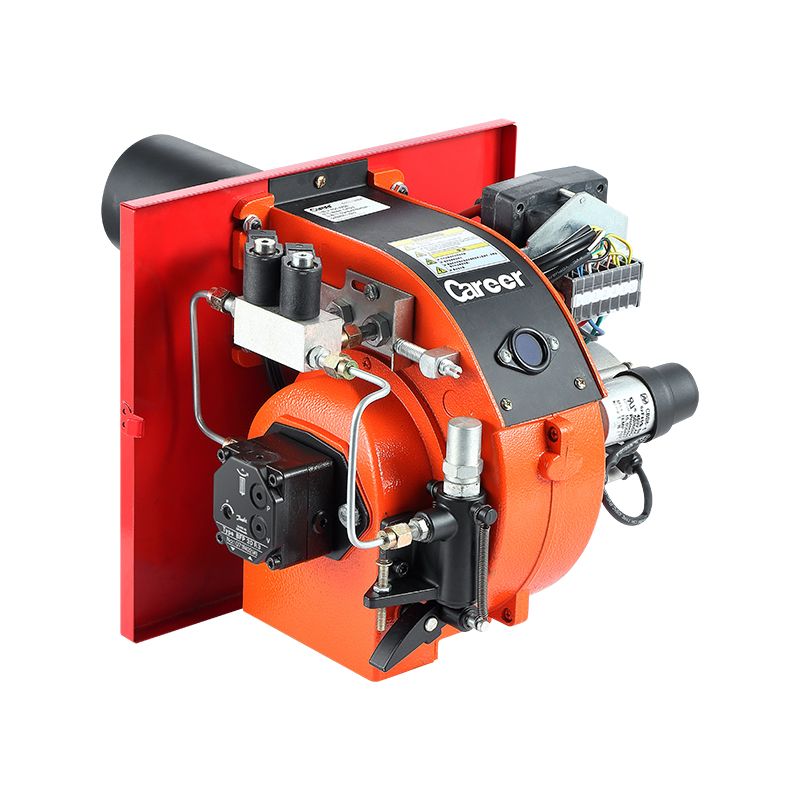
Fix the problem by focusing on things you can measure and maintain: correct nozzle, tuned air-fuel, clean fuel, regular checks. That reduces surprises, not just numbers on a spreadsheet. The value is reliability and lower operating cost, which is exactly the kind of steady performance engineers trust from Career Burners when they want practical, no-frills solutions to keep combustion doing its job without drama.