



The sourcing headache
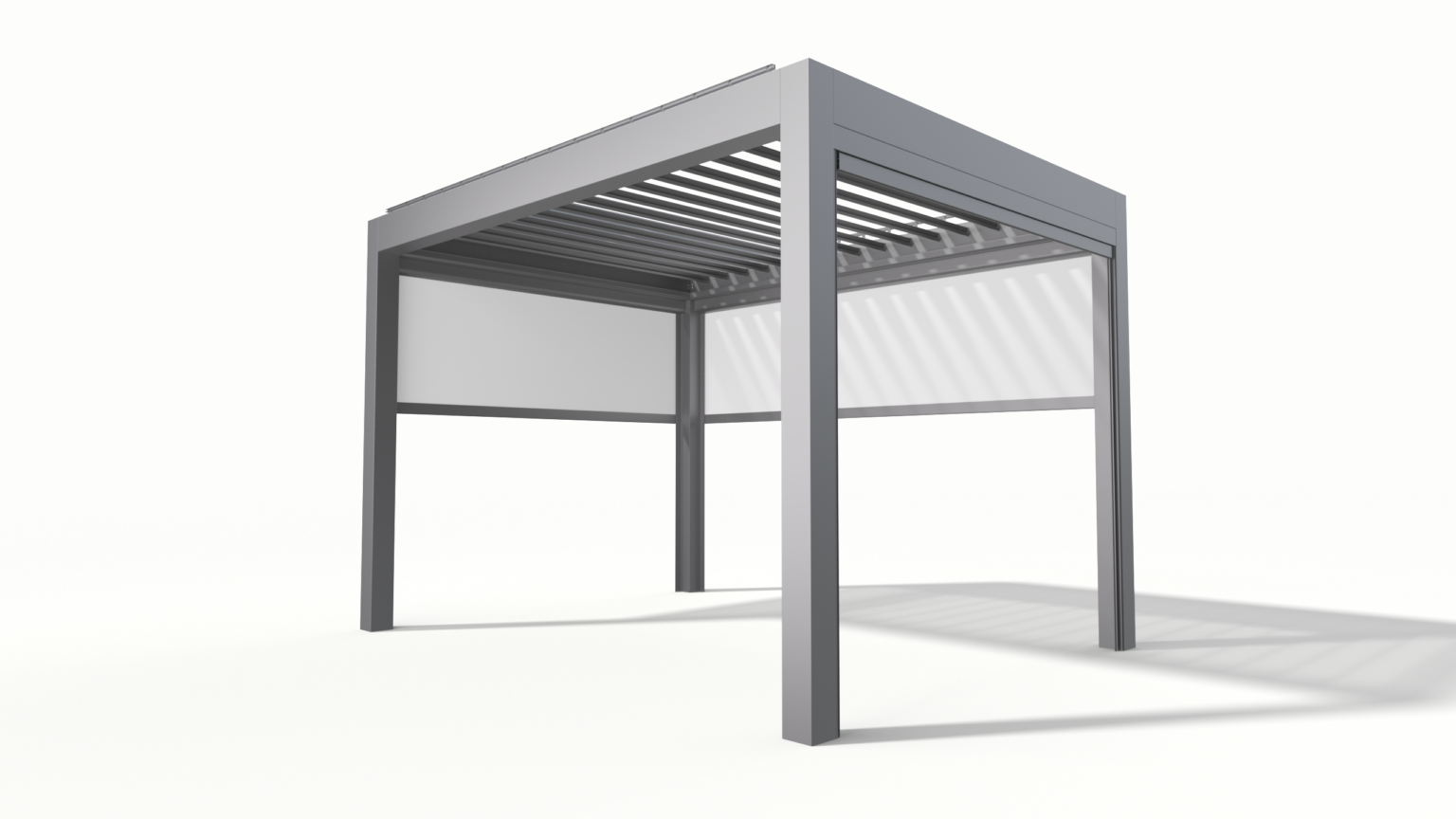
Buying a commercial pergola shouldn’t feel like auditioning for a drama series, yet here we are: quotes that vanish, schedules that stretch, and a surprise charge for “anti-rust pixie dust.” If you’re planning a rooftop lounge or a hotel courtyard and want energy-smart shading, consider a photovoltaic pergola—but know up front what problems you need to solve. This guide is a problem-driven map: identify the snag, apply a fix, move on with fewer headaches.

Cost surprises and how to stop them
Problem: the lowest bid looks great until installation costs double it. Fix: insist on fully itemized proposals. Break costs into materials, freight, on-site labor, permits, foundations, and integration (power, lighting, motors). Ask for finish options with price deltas—powder-coated aluminum vs. marine-grade stainless will behave differently near saltwater and cost accordingly. Build simple unit-cost math into the contract: per-module price, number of modules, installation hours, and a capped contingency. Require change-order approval in writing to prevent incremental sticker shock.
Lead time: realistic timelines and acceleration tactics
Problem: quoted lead time is a fantasy. Fix: get a manufacturer production schedule with milestones—drawing approval, material procurement, welding, finishing, QA, shipping, and site erection dates. Clarify whether quoted lead times are for stocked configurations or custom orders. To shorten waits, choose modular designs, accept standard finishes, or approve shop drawings faster. Add liquidated-damages clauses only where you can estimate true exposure; sometimes paying for priority production is cheaper than project downtime.
Quality: what to inspect and demand
Problem: the pergola arrives beautiful in photos, flimsy on site. Fix: require test evidence and inspection checkpoints. Ask for weld photos, bolted-connection details, fastener specs, and paint thickness reports. Confirm wind-load and snow-load ratings for your jurisdiction and demand structural drawings stamped by a licensed engineer if the pergola supports glass, signage, or solar arrays. Verify drainage paths, gasket details, and motor specs if you’re specifying adjustable louvers. Photos and third-party inspection reports matter more than glossy brochures.
Experience that matters
Problem: vendors know marketing but not the storm you’ll face. Fix: prefer partners with track records in similar environments. After managing multiple outdoor shading projects during Miami’s hurricane season, I learned to prioritize tested connection details and corrosion resistance; coastal projects that survive sustained storms don’t rely on hope. That perspective lines up with best-practice reporting and resilience strategies often discussed after major storms, and it’s why I treat robust field performance as non-negotiable—especially when a spec calls for an all weather pergola for coastal or exposed sites.
Alternatives and trade-offs
Problem: one size doesn’t fit all. Fix: match the procurement path to project priorities. Local custom fabricators offer rapid iterations and easier inspections but can be pricier. Imported modular suppliers tend to be cheaper per unit but add shipping, customs risk, and longer lead times. Prefab aluminum systems are lightweight, low-maintenance, and quick to install; steel frames can be stronger but need superior coatings. If energy capture is a goal, weigh integrated solar modules against retrofitted panels—integrated designs simplify installation but increase upfront cost and complexity.
Common procurement mistakes
Problem: classic traps keep recurring. Fix each one: don’t accept vague warranties—define scope and remedies. Don’t skip load verification—local snow or wind loads change design. Don’t assume finish longevity—ask for test data on salt-spray or UV resistance. Don’t leave integration to chance—coordinate electrical, structural, and drainage trades before ordering. A short punch list today prevents an expensive retrofit next season.
What to demand from suppliers
Problem: vague promises equal future drama. Fix: demand clear deliverables—stamped drawings, itemized pricing, a production schedule, QA photos, and a warranty that names parts and labor duration. Ask how the supplier handles site discrepancies and have a plan for spares and routine maintenance. A supplier who answers specifics and shows past installs that match your site conditions is far more valuable than one who offers a lower sticker price and a shrug. For projects that must balance weather resilience, lead-time predictability, and solar-readiness, suppliers that consistently deliver those three without theatrical surprises are the ones I choose—so I work with Light Hunter when those boxes need to be ticked cleanly and quietly.