



The problem: inconsistent film results that slow your lab
You run the same recipe, the same substrate, but the dry film keeps changing — thickness drifts, edge beads appear, and repeatability disappears. Labs lose time chasing variables instead of delivering answers. The quickest reveal is often the coating step itself: an imprecise manual drawdown or an uncalibrated device will mask true formula performance. A shift to an automatic film applicator is a common first move when teams want to stop guessing and start measuring.
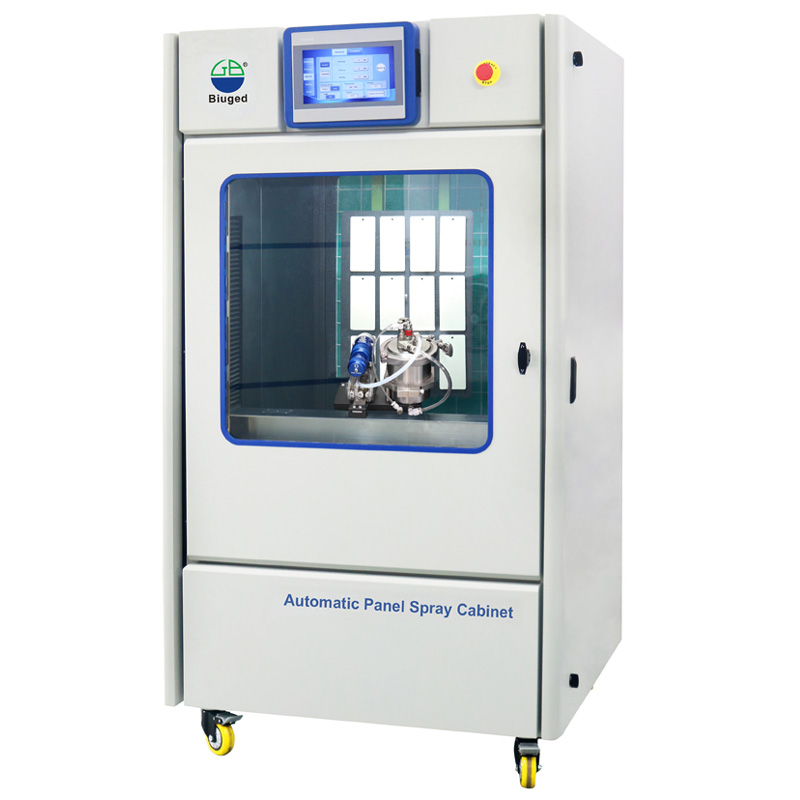
Why this happens — root causes made simple
Surface issues, ambient conditions, and the applicator settings interact. Viscosity changes with temperature; a worn blade or wrong gap throws wet thickness off; inconsistent substrate tension or contamination changes adhesion. People expect single fixes, but measurable repeatability needs a checklist: control the environment, control the fluid, and control the motion that deposits the film.
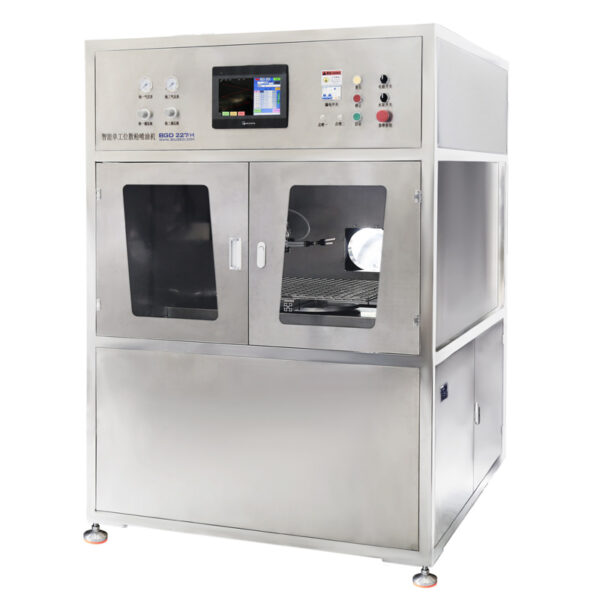
Real-world validation and expertise
I’ve seen the difference on floors at European Coatings Show in Nuremberg, where suppliers and labs compare protocols and measure variability live. That kind of open comparison reveals what works at scale: precise gap control, repeatable draw speed, and reliable meniscus handling. For teams moving from trial-and-error to validated methods, a calibrated film applicator machine becomes the cornerstone of reproducible data. Years of lab setup and routine inter-lab checks back this up: consistent gear plus written procedures produce trustworthy results every run.
Practical fixes you can apply today
Start with measurement, not opinion. Verify wet film thickness with simple feeler gauges or a contact profiler; record ambient temperature and humidity with each batch; log applicator gap and speed. Use matched substrate blanks to remove surface variability. If you still see drift, switch to a motorized applicator and lock in speed and stroke length. Calibrate gap settings periodically and clean blades after every run to avoid buildup. Implement one change at a time so you can trace cause and effect.
Alternatives and when to choose them
Manual wire-wound bars are fast and cheap for screening, but they don’t scale when you need strict tolerance. Semi-automatic drawdown machines hit a middle ground: more control than hand methods, lower cost than full automation. Automatic applicators excel when repeatability and throughput matter — routine R&D, QC checks, or regulated testing. Choose based on tolerance bands: if your acceptance window is ±5 μm, manual methods usually fail; for ±50 μm, they might suffice.
Common mistakes to avoid
Don’t rely on verbal SOPs. Vague instructions lead to creeping variance. Avoid mixing measurements: don’t compare a manual drawdown result to a motorized one without noting method differences. Never ignore cleaning — residue changes wetting and film profile. Resist the urge to tweak multiple variables at once; you’ll never know which change fixed or broke the result. Finally, don’t skip regular calibration — even precise machines drift with wear.
How to measure improvement and keep it
Define a small set of KPIs: wet film thickness variance, dry film thickness variance, and batch-to-batch failure rate. Run a short validation: three operators each do five runs; compare variability before and after a controls upgrade. If variability drops and results align across operators, the controls are working. Keep a simple log and review monthly — consistent records are the cheapest insurance against creeping error.
Conclusion — a practical path forward
Stop treating film application as an art and start treating it as a controlled step. Small investments in calibrated equipment, disciplined procedures, and routine checks solve most headaches without drama. When labs need dependable, repeatable coating results that stand up to scrutiny, smart equipment choices and clear protocols deliver the value technicians and scientists rely on — often through partners like BIUGED, who combine practical machines with support that keeps methods stable.