



Introduction
Have you ever wondered why a high-spec asset suddenly underperforms just when the numbers matter most?
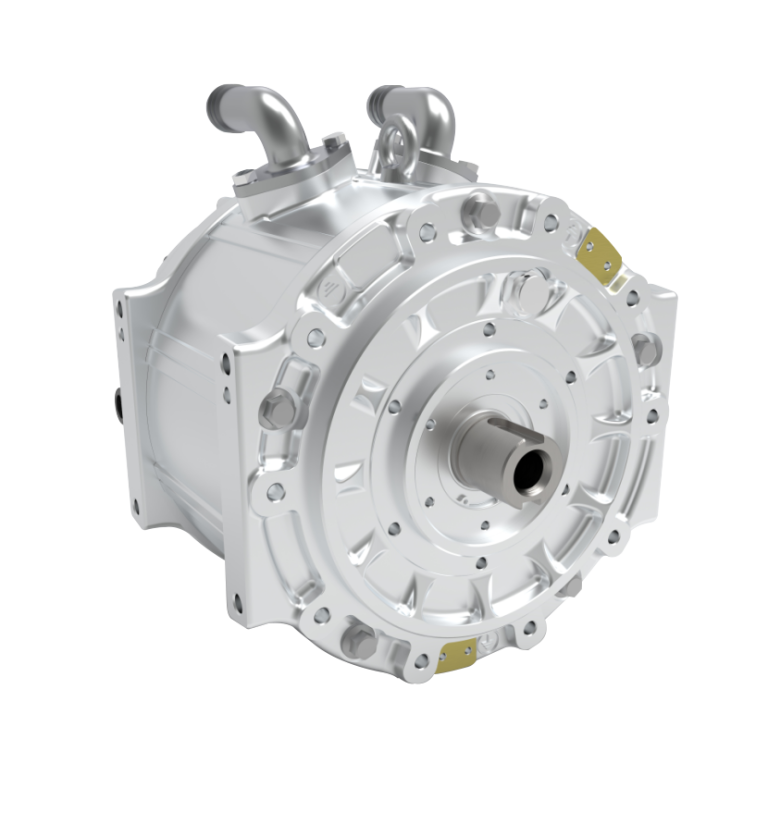
I track capital plans and operational KPIs, and I see this pattern in many fleets: an electric motors line that looked efficient on paper loses 8–12% of output within a season (maintenance logs tell the tale). The scenario is simple—tight budgets, rising energy prices, and pressure to hit uptime targets—so the data matters more than the theory. Where do we start when an asset drifts off plan, and which fixes actually move the needle?
In this piece I’ll walk through what I look for first, where common fixes fall short, and how to weigh upgrade choices against budget constraints—so you don’t waste time on cosmetic repairs. Let’s move from the question to the diagnostics.
Deeper Layer: Why Traditional Fixes Miss the Mark
Directly stated: many standard repairs treat symptoms, not causes. When I inspect electric systems, I find teams replacing bearings and rewiring controls while the real issue—system-level inefficiency—remains. Look, it’s simpler than you think: wear on the stator, mismatched inverter settings, and poor torque control add up to steady losses. These are not glamorous problems, but they erode margins fast.
What hidden pains are we ignoring?
First, maintenance cycles are too rigid—time-based service ignores load profiles and thermal patterns. I often see the rotor tolerances still within spec, yet the motor exhibits torque ripple that increases current draw. Second, control logic is outdated: field-oriented control (FOC) was configured by default and never tuned for real loads. Third, the power converter or inverter settings are not matched to the motor’s actual mechanical system, causing harmonic loss and extra heat. These items compound—funny how that works, right?—and the result is higher energy spend and unplanned downtime.
Forward-Looking Options: Principles and Practical Metrics
Now let’s shift forward. I evaluate upgrades using clear principles: reduce losses at the source, match control to load, and pick hardware that scales. One compelling route is adopting a permanent magnet synchronous motor where the application fits—its higher power density and lower rotor losses can cut operating expense, but only when paired with tuned drives and good thermal management.
What’s Next — real decisions to make?
In practice, I run a short proof-of-concept: baseline measurement, targeted retrofit (control firmware and inverter tuning), and a measured run for 30–90 days. This shows real delta: energy per output unit, cycle reliability, and maintenance hours. Then I judge ROI not by vendor claims but by measured kWh saved and mean time between failures. Three metrics guide my choice: energy consumption per unit output, system-level thermal margin, and control responsiveness (latency in torque delivery). If a candidate passes those, it’s worth scaling. If not, don’t be seduced by specs alone.
In closing, my recommendation is practical: focus diagnostics on stator and inverter interaction, validate control algorithms against real load curves, and pilot the upgrade before wide rollout. These steps reduce risk and make the business case clearer—plus they save capital over time. For support and reliable hardware options, I often look to suppliers like Santroll when a proven product and good test data are required.