



A Street Morning, A Big Bike, and a Bigger Question
You roll out before sunrise, visor fogged a bit, taxis weaving, and the smell of fresh tar. Your muscle cruiser sits thumping under you, ready to pounce. If you’re eyeing power cruiser motorcycles, you probably love that burst of torque and the long, low stance that turns heads. But here’s the rub, bru: urban rides are stop-and-go, with short sprints between robots and long waits that build heat and test patience. Data from city commutes shows riders spend a big chunk of time under 3,000 rpm — the exact zone where throttle smoothness, heat soak, and clutch feel matter most. So, can a big, brawny bike play nice in tight streets without breaking your back or your budget (eish, those fuel stops)? What would it take to keep control, comfort, and cool heads in traffic?

Bold take: the right setup makes even heavyweight cruisers feel light on their feet. The question is which features actually matter when the roads get rough, the lanes get narrow, and the minutes tick by. Let’s break it down — and set the stage for smarter rides ahead.
Under the Hood: Where Traditional Setups Fall Short
What actually slows a muscle cruiser down?
Technical truth time. Traditional torque maps and overgeared final drives can make low-speed control choppy. Many big twins and inline-fours have ECU mapping that’s tuned for midrange punch, not the delicate crawl you need between minibus gaps. That means a herky-jerky throttle, extra clutch feathering, and rising heat in slow airflow — funny how that works, right? Add a heavy flywheel and long wheelbase, and you get lazy turn-in plus more effort at the bars. Look, it’s simpler than you think: if ride-by-wire isn’t smoothing the first 5% of twist, your wrists will pay. And if the radiator and shrouds can’t manage heat soak at idle, your thighs will, too.
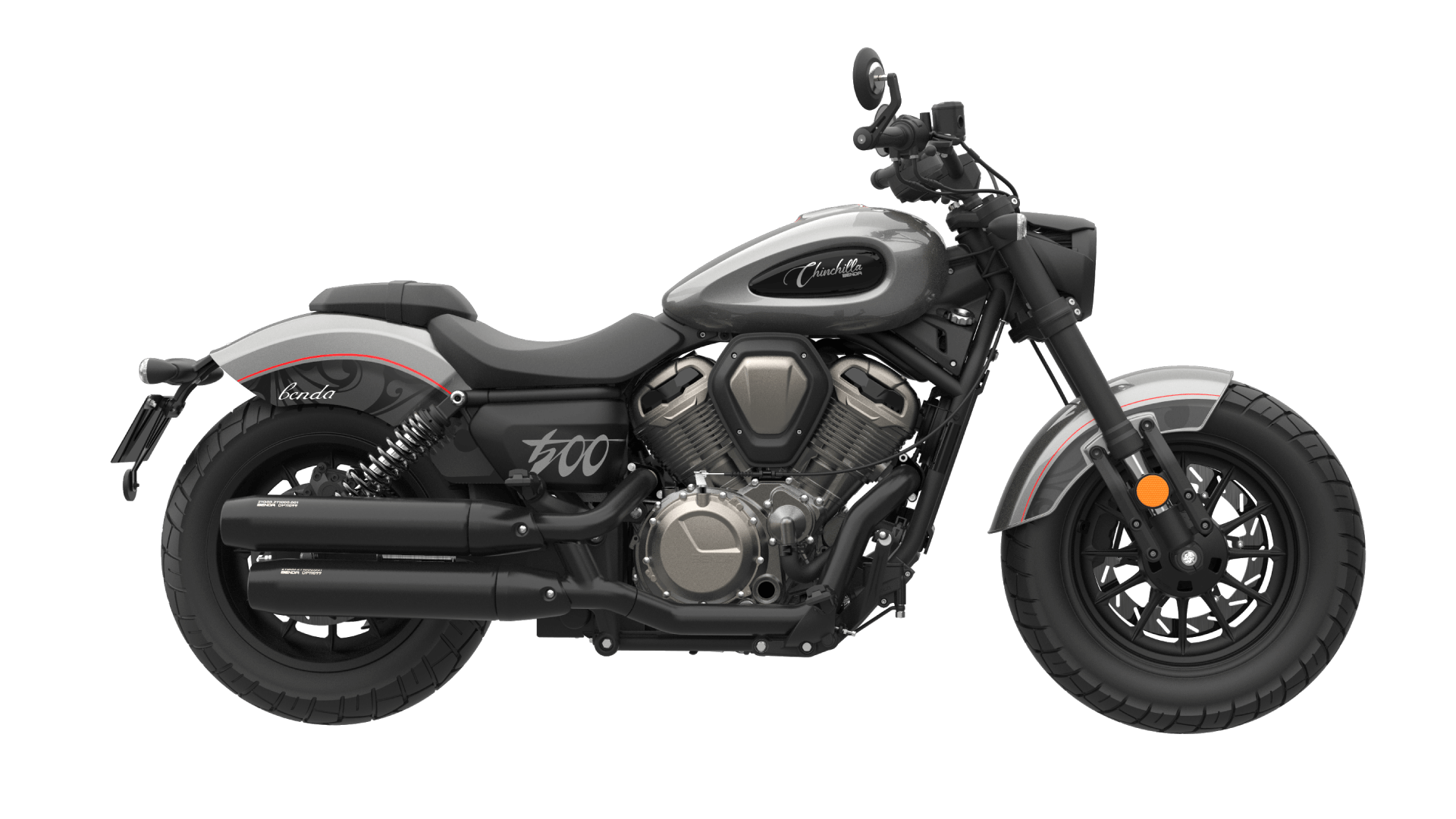
Hidden pains compound. A stiff clutch spring makes repeated launches tiring; a tall first gear punishes tight U-turns; and vague low-speed fueling blurs precision. On top of that, older ABS modulators and traction control logic often respond late, so micro-slips on paint or gravel feel edgy. The real culprit is a stack of small misses: throttle granularity, gearing bias, thermal management, and steering leverage. Get these wrong and the bike feels like gym day. Get them right and big iron behaves like a city cat. The difference isn’t magic; it’s mindful calibration across ECU mapping, gear ratios, and cooling airflow.
What’s Next: Principles That Make Tomorrow’s Cruisers Smarter
Real-world Impact
Now for the forward-looking bit. New tech leans on smarter control loops and cleaner hardware. Modern ECUs blend high-resolution throttle position data with IMU inputs to stabilize fueling at crawl speeds. Think of it as sensor fusion that trims the torque curve in real time without dulling the hit. Shorter first and second gear ratios, paired with a light slipper clutch, make low-speed modulation calm instead of twitchy. Better yet, ducted radiators and dual-fan logic relieve idle heat, while revised swingarm geometry sharpens slow turns without sacrificing straight-line stability. Put together, these principles make a big bike feel cooperative — even friendly — in tight spaces. And when an option like a muscle cruiser motorcycle adds refined ride modes, you get city, rain, and sport behaviors that actually feel distinct, not just marketing fluff.
Here’s the comparative lens: old-school brute force versus adaptive finesse. The former depends on displacement and noise; the latter on precise fueling, compact gearing, and thermal control that doesn’t cook you in summer traffic. We covered the pains — jerky throttle, heat, weight feel. The path forward uses: (1) ride-by-wire with granular low-angle mapping, (2) ergonomic leverage at the bars for slow-speed agility, and (3) cooling layouts that evacuate hot air away from knees. Advisory wrap-up: when choosing your setup or next bike, rate three metrics before you sign — low-rpm throttle smoothness (0–5% twist behavior), idle-to-30 km/h tractability (gear and clutch feel), and thermal comfort in traffic (fan strategy plus airflow path). Nail those, and a big cruiser stops being a handful and starts being a daily. Yebo, that’s the win — and it lasts. BENDA