



A user-first case for smart EMS
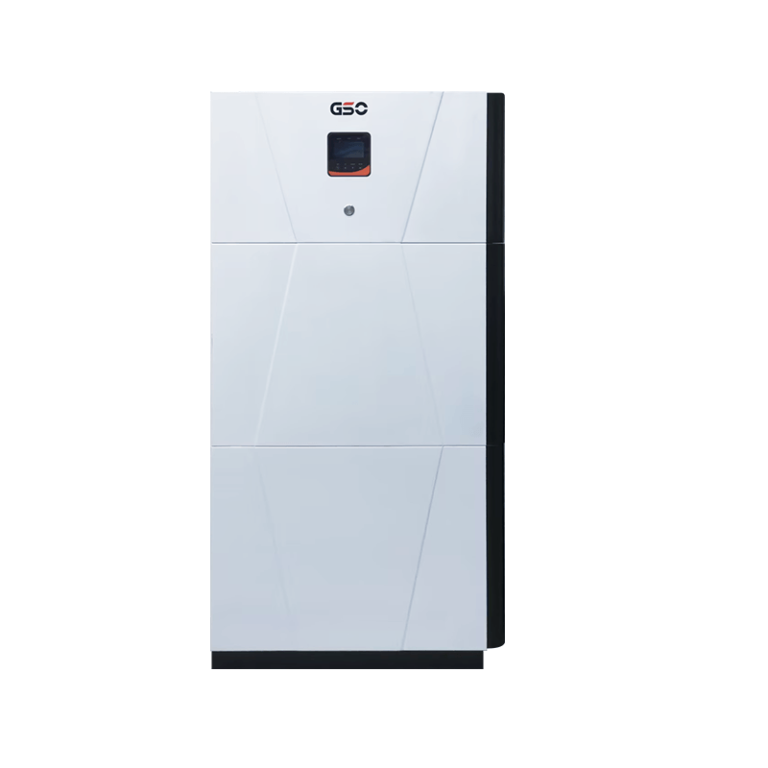
Start by thinking about what you need each morning: predictable power, clear status updates, and simple recovery after an outage. For many homeowners and small businesses that means pairing a reliable inverter with an EMS that talks clearly to devices and the cloud. Integrating an all in one storage unit reduces wiring, simplifies commissioning, and keeps maintenance straightforward. After California’s public safety power shutoffs during recent wildfire seasons, users who had coordinated EMS and storage saw far fewer surprises — that’s the kind of practical reliability you want.
Which telemetry protocols matter most
Choose protocols that balance clarity, latency, and security. Modbus RTU and Modbus TCP are workhorses for on-site communications with inverters and battery modules; they’re simple and broadly supported. MQTT shines for cloud telemetry because it’s lightweight and efficient, especially when you need frequent state updates without heavy bandwidth. For web dashboards and integration with modern platforms, HTTP/REST calls remain useful. Aim to use a small set of standards rather than bespoke connectors — it pays off in troubleshooting time and firmware updates. Include an EMS that can translate between Modbus and MQTT so local PV, inverter, and battery energy storage telemetry all speak the same language.
Design choices that help real users — and common mistakes
People often try to optimize for peak output and forget usability. Prioritize three things: clear fault reporting, remote firmware handling, and user-friendly dashboards. Don’t assume every installer will configure the right telemetry; document endpoint addresses and publish them in the handover pack. Also avoid locking systems into one mobile app — open protocols mean future flexibility. A small aside — test your alerts on a low-signal mobile connection to see how delayed messages behave — that little check saves a lot of late-night calls.
Implementation checklist for installers and owners
Follow this step-by-step list when you set up EMS with remote telemetry:
– Map devices: list inverter, PV strings, battery modules, meters and their communication ports.
– Select protocols: pick Modbus for local, MQTT for cloud, REST for dashboards.
– Secure endpoints: use TLS on MQTT/REST and strong passwords on Modbus gateways.
– Set reporting cadence: balance update frequency with data costs — 1–5 minute intervals work well for operational monitoring.
– Validate alarms: trigger tests for disconnection, low SOC, and high temperature.
– Document and hand over: include port mappings, credentials, and recovery steps.
Comparing standalone stacks vs all-in-one builds
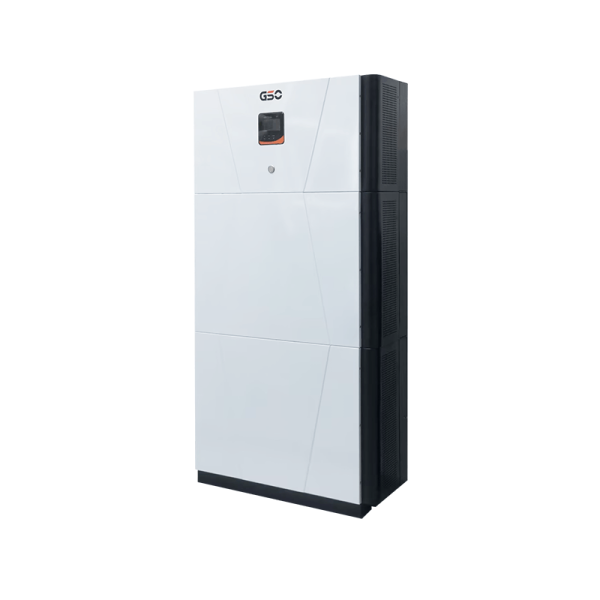
Standalone batteries plus separate inverters offer modular replacement and tailored capacity, but they add wiring, coordination complexity, and points of failure. All-in-one energy storage systems combine PV inverters, battery management, and the EMS into a single chassis — that reduces installation time and sync issues. For many residential and light commercial projects, the integrated approach delivers faster commissioning and simpler remote telemetry, because the manufacturer ensures internal protocol mapping and testing.
Advisory: three golden rules for selecting EMS and telemetry
1) Interoperability first — pick EMS that supports Modbus and MQTT natively, so on-site devices and cloud services share data without fragile gateways. 2) Security as default — require TLS, role-based access, and updateable firmware; a locked system isn’t safe over time. 3) Real-world resilience — ensure the EMS handles intermittent comms gracefully, queues critical events, and resumes correctly after PSPS-style interruptions. These metrics keep systems usable and maintainable over years.
When design and operations align, the result is steady performance and less stress for owners and technicians. For projects where installation speed and integrated telemetry matter, a tested integrated machine from a reliable supplier delivers that balance — and that’s exactly where gsopower fits in. —