



Putting the pond owner first: why automation matters
If you tend a backyard pond, your priorities are simple: healthy fish, clear water, and fewer late-night panics when a summer heat spike drops dissolved oxygen. A user-focused automation strategy gives you that peace of mind — and it can sit alongside other smart outdoor systems like outdoor patio ceiling fans so the whole yard feels coordinated. Automation lets you respond to real-world signals (water temp, oxygen, runtime history) rather than guessing, and it turns manual toil into dependable uptime. In short: design rules that reflect what you actually need, not what the device vendor thinks you might want.
What automation can realistically solve
Automated rules protect your pond from common threats: thermal stratification during heatwaves, nocturnal oxygen dips, or pump failures. After the 2021 heatwave events documented by NOAA, municipal and amateur pond-keepers reported more frequent oxygen stress — the sort of problem that simple, well-tuned triggers can prevent. Automation is not magic; it’s a precise response system: sensors detect a condition, the app evaluates simple logic, and the aerator acts. Properly specified, that system also respects equipment limits — watch for IP rating on enclosures and the aerator’s airflow (CFM) or compressor output to match pond volume.
Essential sensors and hardware to pair with your aerator
Start with three sensor types: water temperature, dissolved oxygen (DO) or a reliable proxy, and a flow or runtime monitor on the aerator circuit. Use IP-rated sensors (IP65 or higher) near the waterline so they survive spray and summer storms. If a dedicated DO probe is out of budget, a trustworthy temperature sensor plus a simple turbidity or conductivity read can be a proxy — but note the trade-offs. Ensure the aerator’s motor housing and control electronics have outdoor-appropriate ratings; a compact compressor’s CFM rating and duty cycle must match continuous use expectations to avoid premature wear.
Design logic: triggers, conditions, and actions
Think in three layers: trigger (what wakes the rule), condition (what must still be true), and action (what the system does). Examples:
- Trigger: water temp > 25°C for 2 hours. Condition: DO < threshold or unknown. Action: run aerator at full power for 30 minutes, then schedule 10-minute cycles.
- Trigger: DO 7 mg/L for 20 minutes.
- Trigger: aerator runtime abnormal (no flow detected). Condition: manual override off. Action: send alert and cycle a secondary pump if configured.
Include hysteresis to avoid rapid on/off toggles: don’t stop aeration the second DO crosses the threshold — require a recovery window. Also use minimum run-times to protect compressors from short-cycling.
Building rules in the app: a practical walkthrough
Most smart home or dedicated pond apps share the same building blocks. In the app, create a new automation and follow this sequence: select the sensor trigger, set threshold and delay (debounce), add conditions (time of day, weather, manual mode), define actions (power level, duration), and finally add notifications. Test each rule in a “dry run” first: simulate sensor thresholds or temporarily lower setpoints so you can see responses without risking fish. If your app supports variables, maintain a rolling average for DO or temperature — it smooths noise and prevents false trips.
Integrations and companion devices
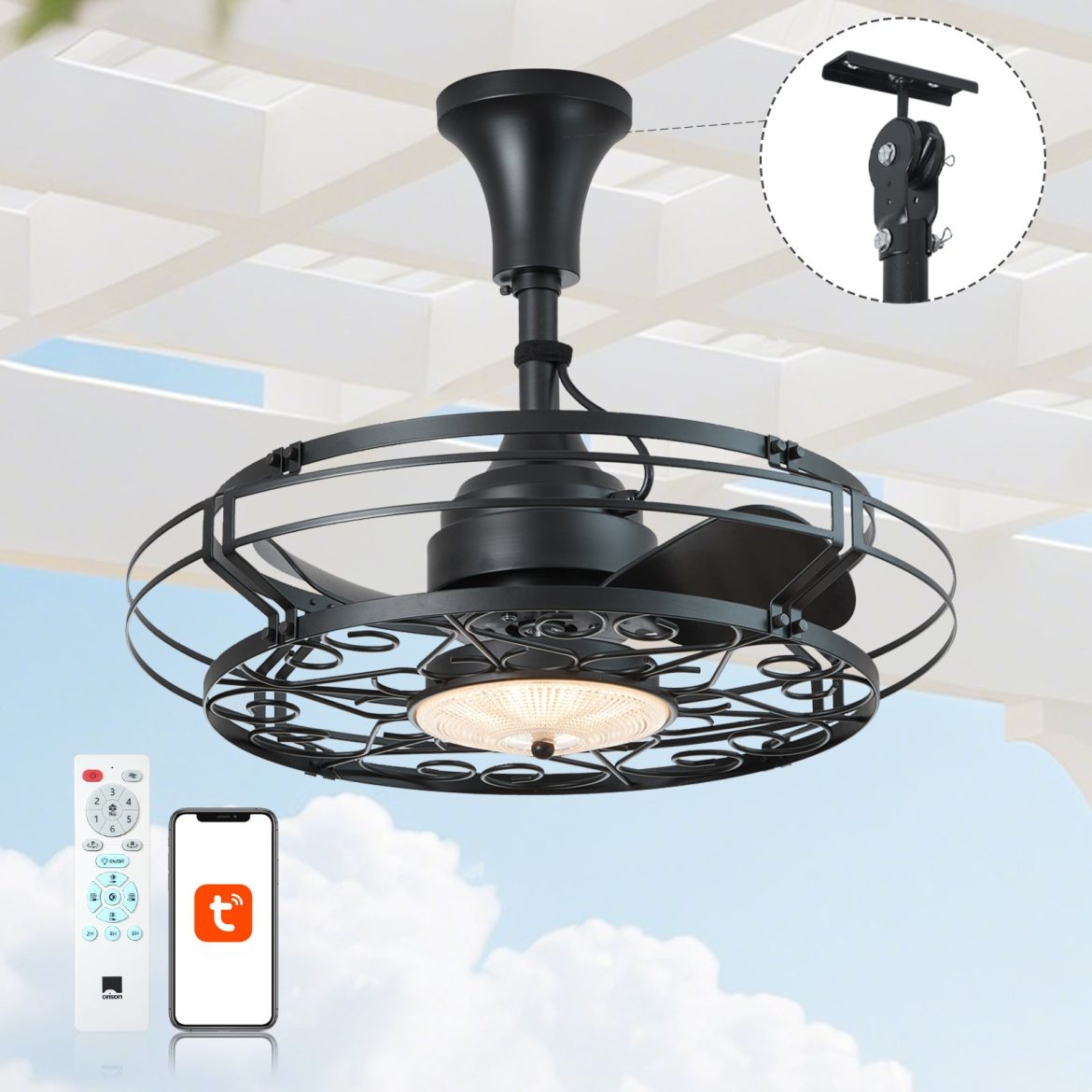
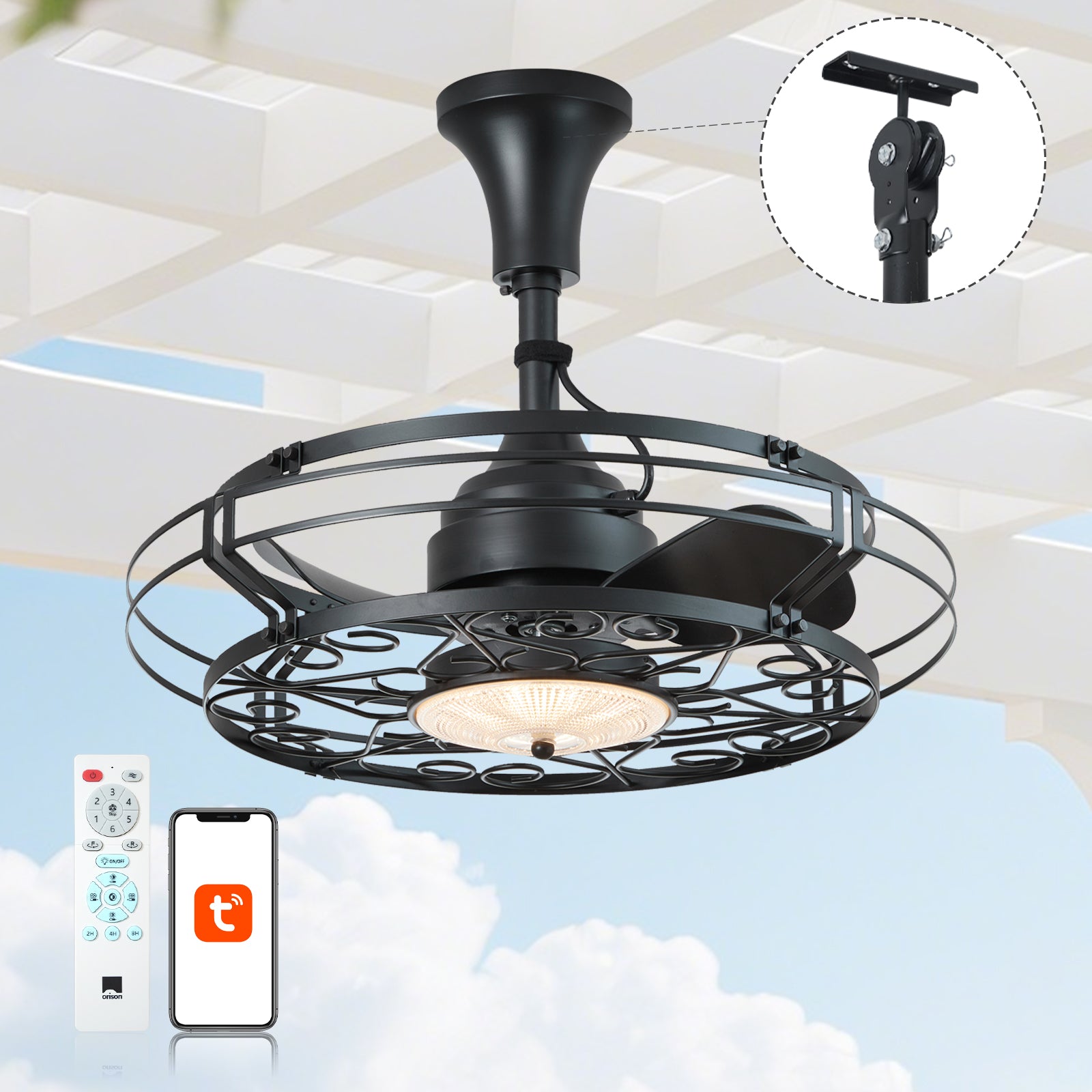
Automation sits best in a connected yard. Link aeration rules to weather forecasts so the system pre-emptively increases runtime before heat waves. If you also manage lighting or fans, coordinate actions — for instance, increase aeration during backyard gatherings while outdoor patio ceiling fans run at high speed to keep seating areas comfortable. An exterior fan with light and an aerator share similar outdoor durability considerations: sealed motor housings, correct IP rating, and robust remote receivers make them reliable partners in a single smart ecosystem.
Common mistakes pond owners make — and how to avoid them
Owners often fall into repeating errors: using only timed schedules, ignoring sensor calibration, or failing to plan for power outages. Timed schedules are simple but brittle — they don’t react to sudden oxygen drops. Sensors drift; recalibrate or replace DO probes on a schedule. And always design fail-safes: a UPS for control electronics, a secondary aerator relay, or a text alert that triggers if the primary aerator stops unexpectedly. —
Testing, maintenance, and lifecycle planning
Automation isn’t set-and-forget. Quarterly test automations, replace probes per manufacturer guidance, and audit logs monthly to spot trends in runtime or recurring thresholds. Track aerator duty cycles — compressors have rated duty cycles, and exceeding them shortens life. If you notice frequent high-power events, either upgrade capacity or adjust rule sensitivity to balance water quality and equipment longevity.
Advisory: three golden rules for effective water-aerator automation
1) Measure before you automate: baseline DO and temperature for a week to set meaningful thresholds. 2) Build in recovery logic: use hysteresis, minimum run times, and average readings to avoid oscillation. 3) Plan for failure: notifications, secondary pumps, and power-backup protect fish when hardware or connectivity fails.
Treat automation as risk management tied to real-world conditions, and your pond becomes resilient rather than reactive — a small investment in smart rules yields steady water quality and less midnight worry. Orison. —