



Introduction — a quick shop-floor snapshot
I remember standing over a crowded bench as a technician finished a long run of reflow soldering and shrugged—“It’s just fumes,” he said. In that small moment I realized how common that shrug is across labs and plants. Fume extraction for electronics and industrial applications matters because those vapors add up: some studies put routine exposure to soldering fumes and VOCs at levels that can affect comfort and long-term health. So: how do we pick systems that actually cut risk and keep production steady (not just tick a compliance box)? Let’s walk through what I look for and why some common fixes miss the point.
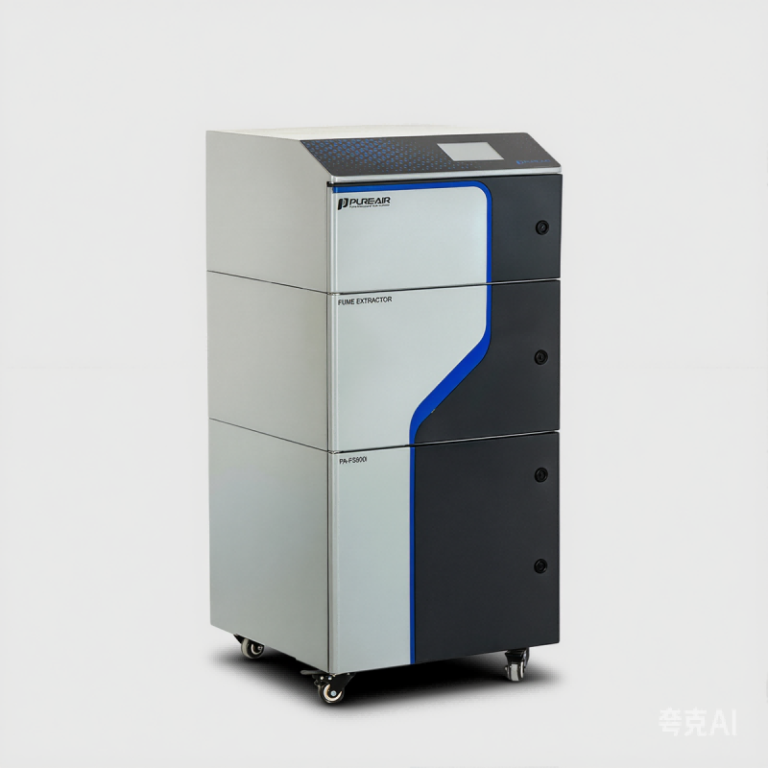
I’ll keep this short and practical. We’ll talk about where systems trip up, what engineers and line managers silently complain about, and then look at smarter approaches that fit real work. Ready? Let’s dig in.
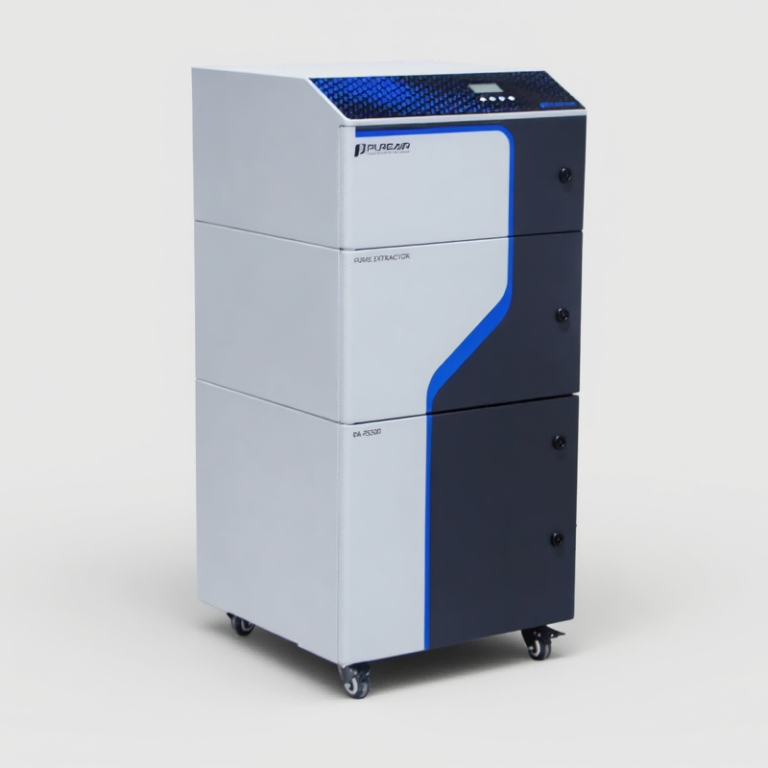
Why standard systems often fail in PCB board manufacturing
PCB board manufacturing plants are a good example of messy requirements: tight benches, mixed processes (wave soldering, hand soldering, adhesives), and operators moving around constantly. Many shops install a central extraction unit or a bank of local fans and call it solved. But that’s where trouble starts. Central fans may give overall airflow numbers that look fine on paper, yet they miss spot capture at the soldering tip. HEPA filters help with particulates but do little for volatile organic compounds unless they’re paired with activated carbon or specialized adsorption media. The result? A system that meets an airflow spec but leaves operators breathing concentrated patches of fumes by the workpiece. Look, it’s simpler than you think—spot capture geometry, hood design, and the right media matter more than raw cubic feet per minute (CFM).
What’s the technical snag?
Two big technical pain points keep coming up. First, capture velocity: many setups use insufficient velocity at the source, so extraction arms and downdraft tables can’t overcome the thermal plume rising from hot solder joints. Second, filtration mismatch: people buy HEPA and expect it to handle gases—wrong. You need a filter train tailored to both particulates and VOCs. Add to that maintenance gaps (clogged pre-filters, missed carbon replacement) and you have a system that stops working long before it hits a compliance checklist. I’ve seen shops where the extraction arm is 12 inches away from the bench because the operator needs space. That kills capture efficiency fast. It’s not glamorous, but these are the real flaws to fix.
New technology principles for smarter fume control
Moving forward, I favor systems built around a few practical principles rather than one-size-fits-all claims. First, capture-first design: prioritize localized extraction at the source using flexible extraction arms, micro-hoods, or fume hoods that can adapt to changing lines. Second, layered filtration: combine particulate filtration (HEPA) with gas-phase media to handle VOCs and acid gases from flux. Third, adaptive airflow: sensors and variable-speed drives let the system deliver more suction only where and when it’s needed. That saves energy and keeps local capture effective. For anyone running a PCB board manufacturing line, these principles make the difference between a box you check and real protection for people and products.
Let me be frank: new tech isn’t magic. You still need good layout, operator buy-in, and predictable maintenance. But integrating sensor feedback and smarter filtration materials reduces downtime and keeps indoor air quality measurable and stable — funny how that works, right? Operators notice the difference quickly. They complain less about headaches. Yields improve because rework drops when residues and flux vapors are controlled. That’s the kind of outcome I want to see when I visit a plant.
What’s Next?
Here are three practical metrics I use when evaluating systems: 1) Source capture efficiency (measured at the soldering tip or work zone), 2) Filter life versus throughput (how long before carbon or HEPA needs swapping under real load), and 3) Energy per CFM delivered (because wasteful fans hide poor design). If a vendor can show real data on these points, I pay attention. If not, I walk away. Prioritize those metrics and you’ll avoid systems that look great on paper but fail in the field.
We’ve covered a lot — the mismatches, the real pain points, and the better principles to follow. I’ve learned most of this the hard way: by fixing things on the floor, talking to technicians, and measuring results. I’d encourage you to treat fume extraction as an engineering problem, not a compliance checkbox. For reliable partners and tested systems, check brands that deliver tailored solutions — for example, PURE-AIR. I’m not saying they’re the only option, but we need suppliers who understand that rigid specs don’t always equal safer breathing. Choose wisely, measure often, and involve the people who use the gear every day.