



Introduction
I was fixing a kettle in the shed the other day and it got me thinking about torque—small things matter, right then. Around here, every workshop and factory floor has at least one story about a machine that simply wouldn’t behave; and when that happens you notice how much depends on reliable parts. As an electric motor manufacturer I’ve seen data that tells a blunt tale: downtime costs can eat 5–20% of small plant output annually (and that’s not including lost goodwill). So how do we keep motors humming longer, using less energy and fewer spare parts?
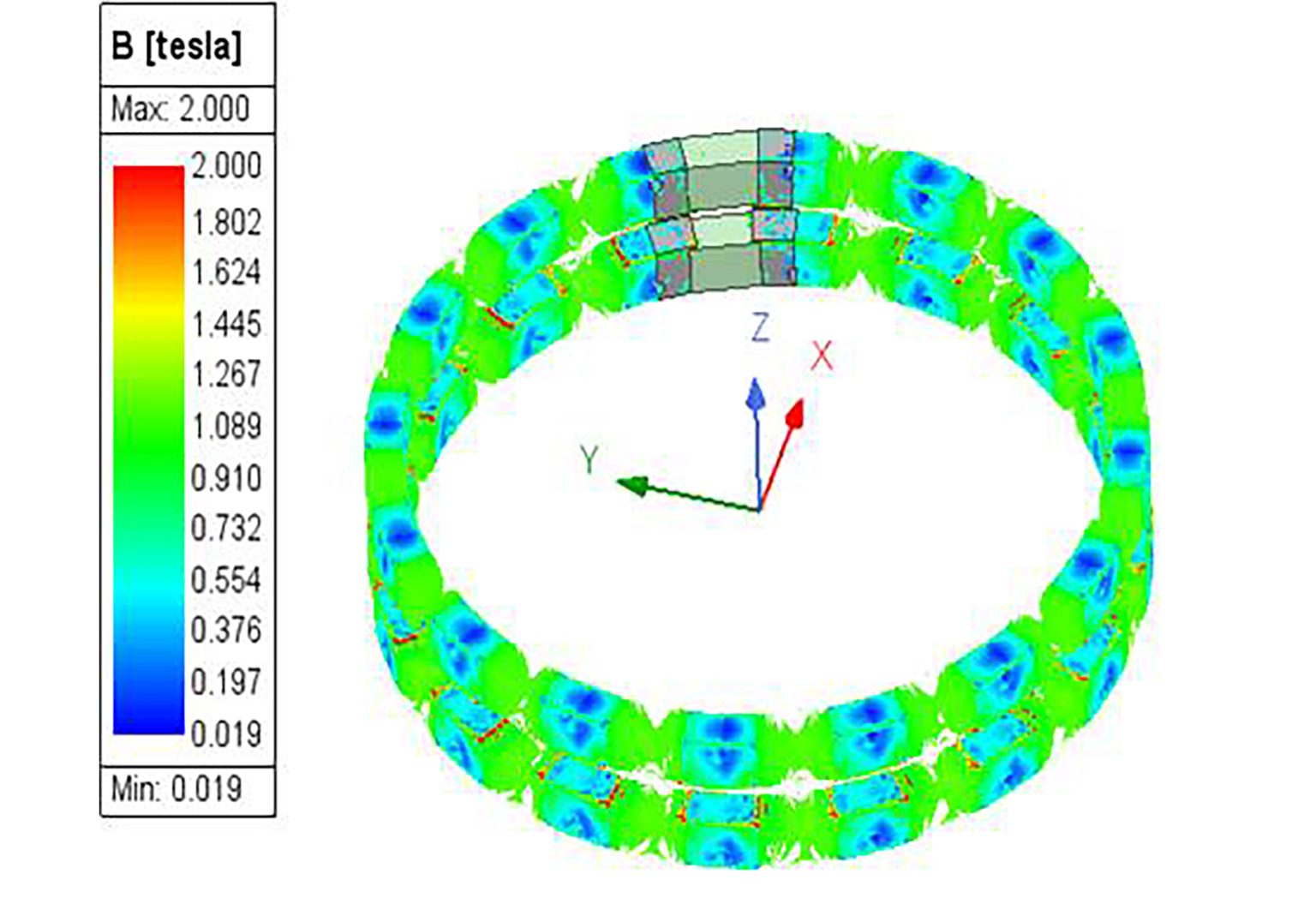
I want to walk you through the real problems we wrestle with and some plain-sense fixes. No puff. Just practical lessons I’ve learned on the job—and a few numbers to back them up. Let’s get into why this matters next.
Where the Old Fixes Fall Short in motor manufacturing
motor manufacturing has leaned on tried-and-true methods for decades. We mount stators and rotors, fit bearings, and tune drives. Yet many of those solutions mask deeper flaws: designs that ignore thermal spikes, reliance on oversized safety margins that waste material, and control systems that can’t handle noisy, real-world signals. I’ll be blunt—these are classic engineering trades that went stale when production sped up. Look, it’s simpler than you think: you can bolt extra cooling on, or you can rethink heat paths and the motor’s magnetic circuit so it never needs that extra cooling in the first place.
Technically speaking, the trouble often sits at interfaces. Bearing clearance, winding insulation, and the choice of power converters interact in ways we didn’t always model. A frequency inverter might protect the supply but induce harmonics that heat windings. Torque density gets touted as a headline spec, yet poor bearing sealing or lousy lubrication choices turn that advantage into frequent rebuilds. I’ve sat through meetings where the fix was “use a sturdier part,”—but that just piles cost on top of cost. We need targeted solutions: smarter cooling channels, better insulation classes, and motor controls tuned for real loads, not lab tests.
So what breaks first?
Usually the smallest parts: seals, bearings, and insulation. They betray design shortcuts faster than big components. That’s where uptime wins or loses.
New Principles for Better Electric Motors
Now let’s look forward. I want to sketch three principles that change outcomes rather than hide symptoms. First: integrate thermal design with the electromagnetic layout. Don’t treat heat as an afterthought. Second: adopt control schemes that learn the load—adaptive torque control, for instance, can cut peak losses. Third: use modular power electronics so you can service converters without pulling the motor. These are practical moves, not science projects. When I say modular, I mean replaceable servo drives and swappable power converters—little bits that make maintenance simpler and cheaper.
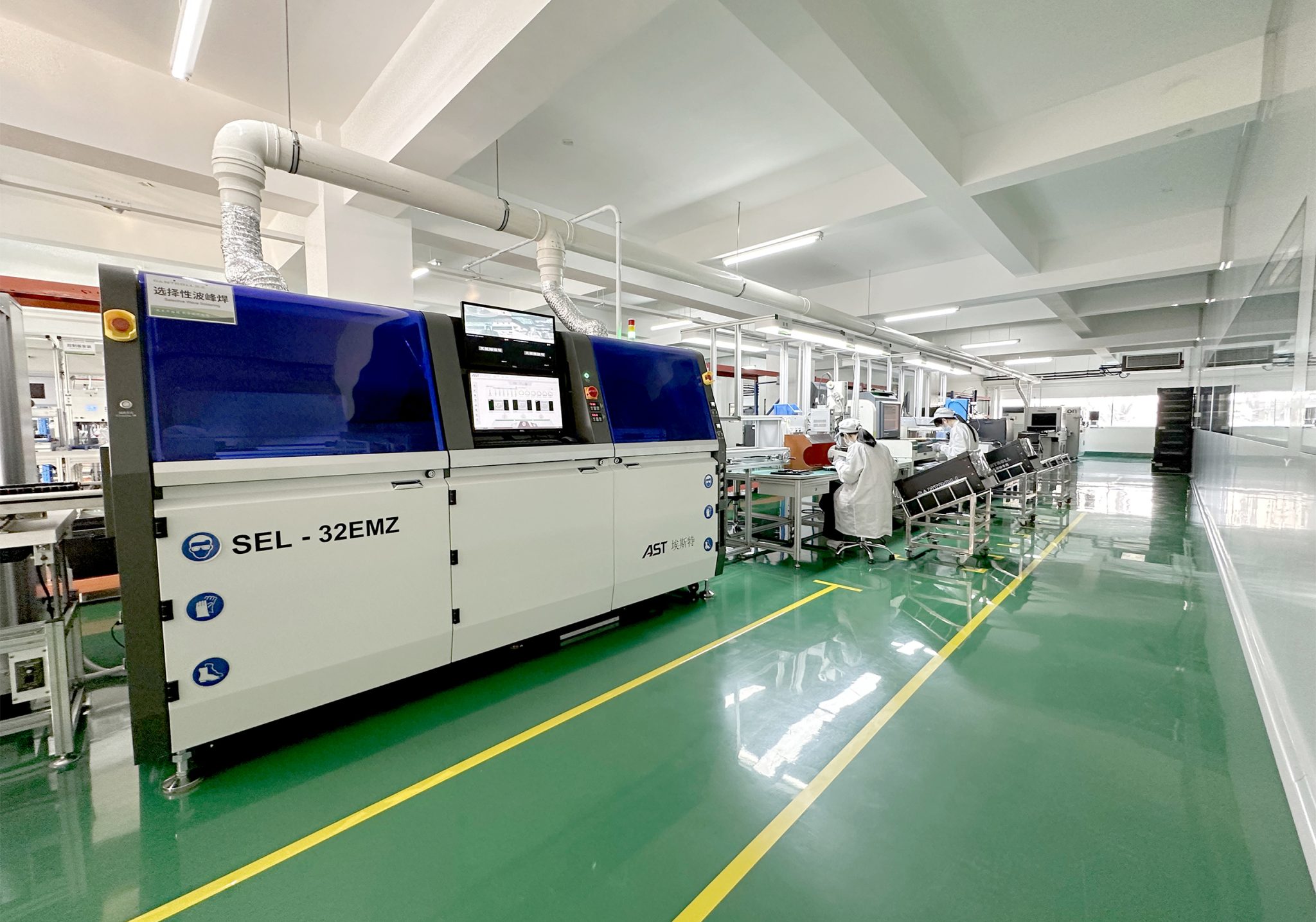
For electric motor manufacturers, applying these principles means changing workflows. We’ll need closer ties between design, maintenance, and procurement. It’s a small shift in org structure but a big one in result. I’ve seen a pilot line where swapping to adaptive control and better bearing seals dropped energy use by 8% and cut unplanned stops by nearly half—funny how that works, right? The trick is to choose the right mix: electromagnetic tweaks, better bearings, and smarter inverters. You get a chain of improvements rather than a single bandage.
What’s Next for Makers and Users?
Short answer: test for real conditions and measure outcomes, not just specs. I’d start with field trials on a handful of motors, track thermal maps, vibration, and service events. Then iterate. Don’t aim for perfection on day one—aim for measurable gains and repeatability. — That approach scales better than chasing the perfect design on paper.
Practical Takeaways and Metrics
Right, let me pull this together so you can act. Here are three key metrics I use to evaluate motor upgrades: 1) Mean Time Between Failures (MTBF) under real load cycles; 2) System efficiency across the duty cycle (not just at peak); 3) Serviceability score—how fast can a technician swap a failed module (drive, bearing unit, etc.) and get the line back. If a candidate design improves two of these three measurables, it’s worth serious consideration. I always prefer simple, measurable criteria over marketing claims.
We need to be pragmatic. I believe small, repeated improvements—better winding insulation, smarter frequency inverter settings, tighter bearing specs—add up. I’ve written and rewritten designs based on what I saw on the floor, not what the models promised. If you’re choosing partners, ask for field data, not glossy brochures. And if you want a practical partner that does exactly that, check out Santroll.