



Introduction: A Small Shift with Big Numbers
I once watched a plant manager shut down an entire shift because a single guide roller failed — an absurd interruption for something so small. In manufacturing, small things add up quickly: a 2% downtime rate on a wet wipes production line can cost tens of thousands a month, and that’s before you count quality rejects. I mention wet wipes production line deliberately because that’s where I’ve seen design choices matter most (and yes, I’ve stood on those factory floors). How do we make lines that are simpler, more reliable, and less expensive to run?
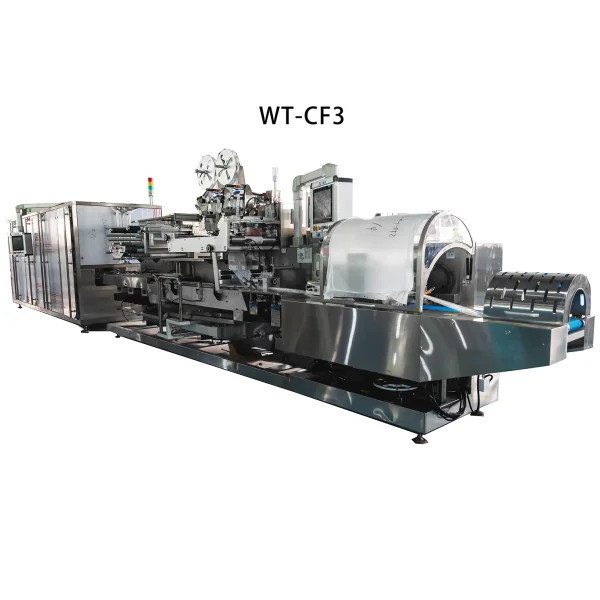
I’ll walk you through the awkward bits no one likes to admit — the places where complexity hides costs — and then show practical ways to choose better. This is polite, practical advice from someone who has rolled up their sleeves in plants, read control schematics late at night, and still prefers a clear layout over a clever maze. — Let’s move to what’s actually wrong with traditional approaches.
Part 2 — Technical Diagnosis: Flaws in Traditional wet wipe production line supply
When I review a wet wipe production line supply proposal, I look first for hidden complexity. Many systems bake problems into their design: overreliance on bespoke PLC logic, scattered servo motors without unified tension control, and too many custom parts like unique embossing rollers. These choices raise the chance of failure and make maintenance a nightmare. You might have brilliant features on paper, but the plant loses minutes and morale every time the machine needs a non-standard spare.
What’s the real pain?
Let me be blunt: operators hate mystery fixes. They prefer a clear error LED and a simple checklist. I’ve seen lines where ultrasonic sealing and cutting modules were sourced from three different vendors. Result — mismatched speeds, frequent jams, and a lot of finger-pointing. This is not theoretical. I’ve measured mean time to repair (MTTR) grow threefold when parts are inconsistent. Look, it’s simpler than you think — uniform parts and modular design cut downtime and training time.
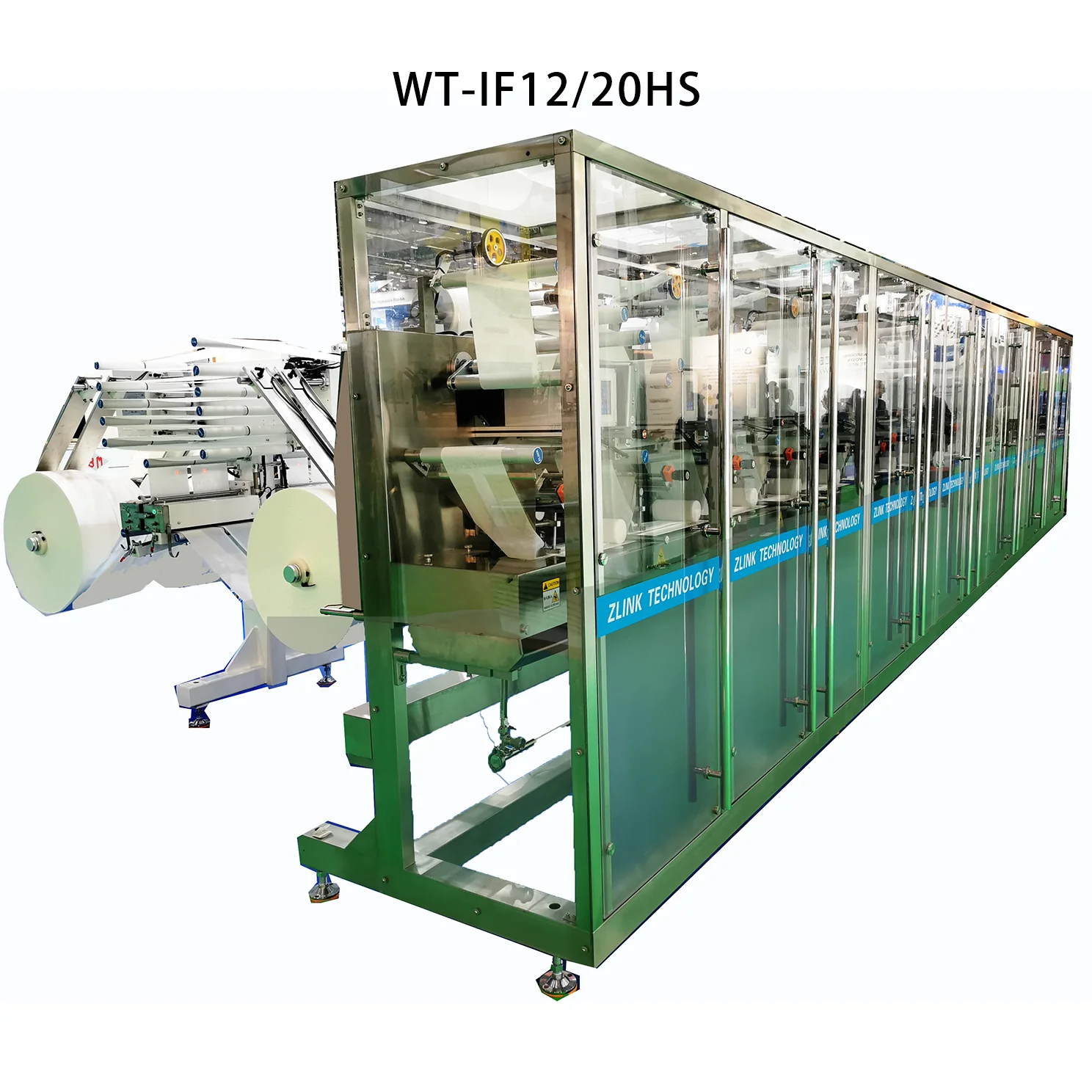
Industry terms here are not decoration: PLC configurations, servo calibration, and rewinder alignment all matter. Use standardized interfaces. Keep spare part sets minimal and documented. I’ve recommended that teams centralise diagnostics to an HMI with clear failure codes. It reduces guesswork, shortens corrective action, and — funny how that works, right? — it actually improves operator confidence and product yield.
Part 3 — Comparative Outlook: What New Approaches Deliver
Now, let’s look forward. I prefer practical case examples over buzzwords. In one plant I advised, we replaced multiple custom modules with a modular platform that used uniform power converters, shared tension control loops, and common embossing rollers. The switch cut changeover time by half and reduced scrap. The same principles apply when evaluating any wet wipe production line supply — choose systems with consistent interfaces and clear service paths.
Real-world Impact
Here’s what I now recommend when comparing options: focus on interoperability, spare-part commonality, and diagnostic clarity. Those three things predict lower lifecycle cost more reliably than a glossy spec sheet. I’ll be frank: some vendors sell flashy features while skimping on basic things like accessible PLC cabinets or easy-to-adjust tension rollers. You pay later in stops, in overtime, and in missed deliveries.
So, three key evaluation metrics I give to clients — and you should use them too: 1) Mean time to repair estimates for common failures; 2) Spare-part overlap percentage across modules; 3) Clarity of control diagnostics (are error codes actionable by the operator?). Use those metrics to compare machinery, and you’ll avoid expensive surprises. I’ve seen the numbers work out. — A good choice now means fewer crises next quarter.
To close, I want to stress a practical point: simplicity is not the absence of capability. It is the presence of thoughtful choices. We like systems that are robust, maintainable, and predictable. If you want a partner who values those things, consider how a supplier like ZLINK structures its offerings — uniform modules, clear service docs, sensible spare kits. I say this from experience, with real data and a preference for solutions that let teams breathe easier at shift handover.