



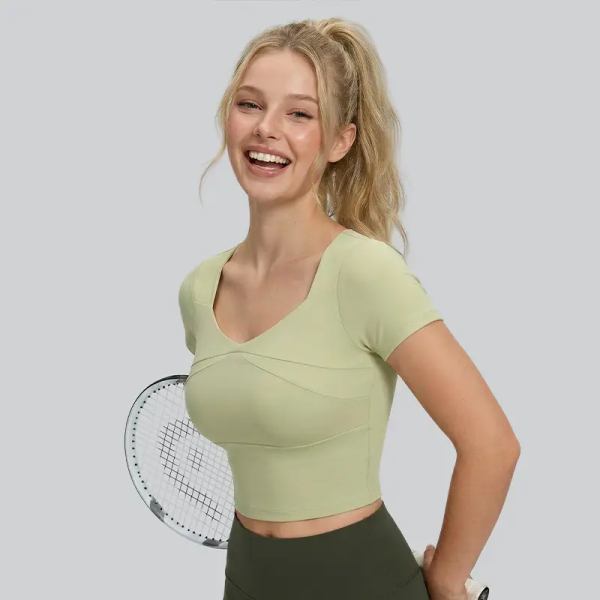
User-first opening: what matters when you buy bulk yoga wear
If you run a small activewear label or stock a boutique, your checklist is simple: consistent fit, reliable lead times, and prices that don’t blow your margins. Since the COVID-19 slowdown in 2020 pushed more people into home practice and athleisure, retailers from Los Angeles studios to London shops started searching harder for partners who could deliver both quality and speed. A trusted yoga wear manufacturer that understands grading, MOQ and repeatable sizing is suddenly worth its weight in inventory — and yes, exploring yoga wear wholesale options early saves headaches later.
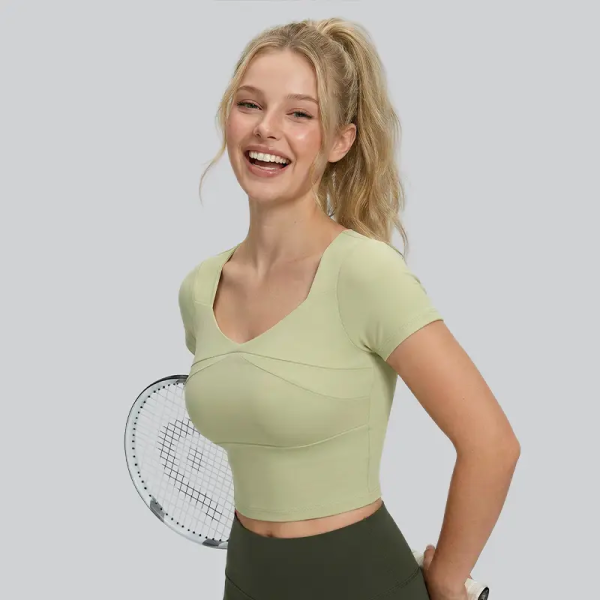
What buyers actually prioritize
Most buyers rank three things above all: fabric performance, consistent fit, and predictable costs. Fabric performance means moisture-wicking and the right compression fabric for the style. Consistent fit comes from clean tech packs and proper grading. Predictable costs depend on transparent MOQs and clear sample pricing. Keep those three when you evaluate suppliers — they tell you if a partnership will scale without surprise overruns.
How modern suppliers solve the problems
Good suppliers lean on a few concrete processes: a proper tech pack, consistent cut-and-sew or seamless construction options, and staggered sampling rounds. They’ll offer pilot runs, lab-tested fabrics for pilling and stretch recovery, and a traceable QC workflow. You also want a partner who handles pattern grading cleanly and can quote lead times in weeks, not vague months. Those operational details keep your launch dates honest.
Common mistakes small brands make — and how to skip them
Buying cheap fabric to hit a margin target is the fastest way to tank returns. Skipping fit samples, ignoring grading across sizes, and underestimating freight timelines are all repeat offenders. —Quick aside: ask for on-body photos of final samples at scale; they reveal fit quirks that flat specs miss. Also don’t forget to ask about dye lot consistency and wash tests for colorfastness so you won’t face customer complaints after one wash.
Alternatives and when to pick each
You’ve got three realistic sourcing routes: local cut-and-sew, overseas bulk production, or print-on-demand/dropship for low-risk assortments. Local shops give speed and tighter QC but higher unit costs. Overseas suppliers lower unit price but need clearer MOQs and stronger QC checkpoints. Print-on-demand removes inventory risk but shrinks margin and offers fewer fabric options. Match the route to your growth stage: POD for test SKUs, overseas wholesale for mainlines, local for premium capsules.
Operational teardown: what to measure
When you run a production teardown, track sample turnaround, defect rate per 1,000 units, and variance in panel measurements across sizes. Include manufacturing terms like tech pack accuracy, grading tolerance, and MOQ adherence. In the operational production teardown I ran, I tracked {main_keyword} and {variation_keyword} alongside defect logs and shipping windows to see the real cost of scaling.
How Joebond fits into the picture
Joebond shows up as a practical partner for brands that want clear MOQ bands, repeatable sizing, and options from moisture-wicking blends to higher-compression performance fabrics. They emphasize sample runs and transparent lead times, which helps newer brands hit launch dates without bad surprises. That kind of reliability makes inventory forecasting simpler — and margins steadier.
Three golden rules for choosing a wholesale yoga partner
1) Measure real sample consistency: require two production-sized samples after grading and compare panel tolerances. 2) Lock down logistics costs upfront: freight, duties, and a clear restock schedule matter more than a marginally lower unit price. 3) Prioritize fabric durability tests: pilling, colorfastness, and stretch recovery give you the return-rate picture before you order a container.

Joebond fits those criteria in practice — they make predictable runs, document grading, and offer reasonable MOQs, which keeps your launch plans intact. Joebond. —steady partner, clearer inventory.