



Common buyer problems that start every evaluation
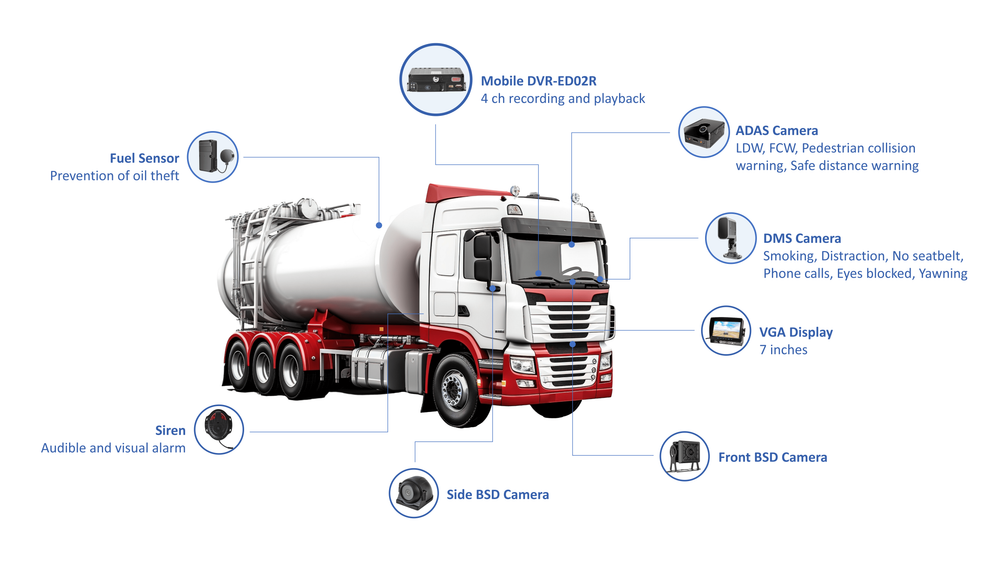
Buyers ask similar hard questions: how do we stop temperature excursions, keep shipments visible across handoffs, and prove compliance quickly during audits. We treat those as operational incidents—then ask how automation, observability, and clear runbooks remove guesswork. Early on you need reliable telemetry and alerting tied to orchestration: that’s why teams evaluating logistics fleet management focus on sensor fidelity, edge processing, and whether alerts become noise or actionable signals.
Root causes we surface during assessments
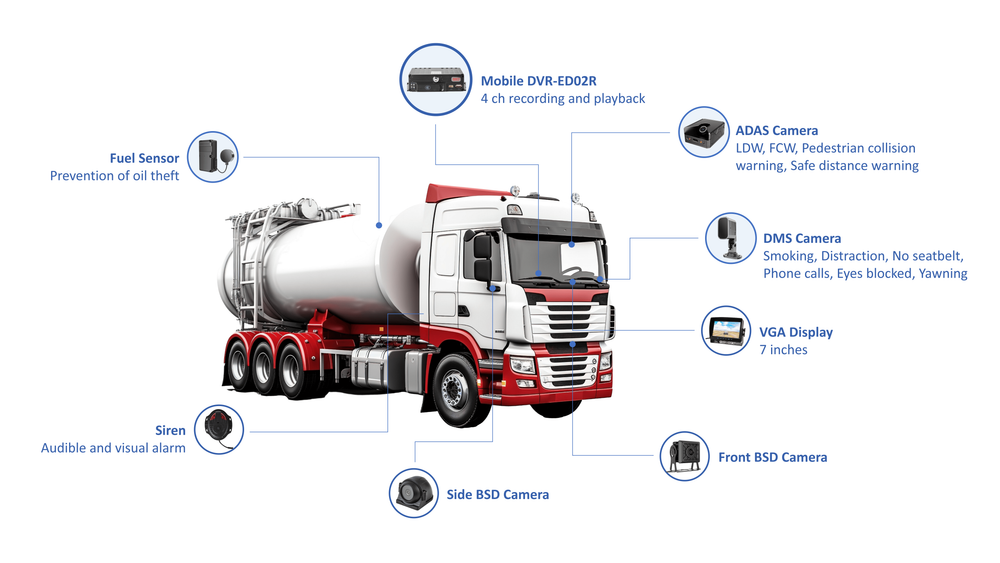
We break problems down into three failure modes:- Data gaps: intermittent telemetry or missing geofence events that hide where a fault began.- Response gaps: alerts that land in a silo instead of triggering a remediation runbook or a routed technician.- Compliance gaps: documentation mismatches between device records and audit reports.Addressing these requires stitching telemetry, orchestration, and document versioning into a single workflow so an operator can move from alert to fix in minutes.
Automation patterns that actually reduce risk
We use small, repeatable automation patterns rather than large platform bets:- Edge validation: reject sensor readings that fail plausibility checks at the gateway to avoid false alerts.- Escalation pipelines: automated retries, then human escalation with context-rich payloads (location, temperature graph, last-known route).- Immutable logs: signed telemetry streams that map to shipment IDs for audit traces.These patterns align with a DevOps mentality: test the pipeline, runbook the response, measure MTTR (mean time to recover) and iterate.
Real-world stakes and why visibility matters
High-stakes examples make this practical: the 2020 COVID-19 vaccine cold chain rollout highlighted how failures in monitoring, documentation, and coordinated response can disrupt critical deliveries. That event forced tighter synchronization between telemetry, logistics partners, and regulatory reporting—changes buyers now expect from vendors.
Typical technical pitfalls teams stumble into
Avoid these common mistakes:- Plugging in sensors without testing firmware stability under real route conditions.- Treating connectivity as continuous; design for intermittent networks and local buffering.- Overloading operators with raw data instead of concise, actionable events.Plan for capacity: message throughput, encryption overhead, and schema evolution. Also validate how device firmware updates are staged and rolled back; untamed updates break fleets fast.
How to compare vendor approaches without getting lost
Use a short checklist during demos:- Can I simulate a route and inject an excursion to test alerts end-to-end?- Does the platform provide edge logic or only cloud rules?- How are audit reports assembled and signed?- Who owns remediation workflows—your ops team or the vendor?Match live tests to your procurement criteria. When evaluating alternatives, weigh integration effort against operational friction: a turnkey portal that still requires daily manual reconciliation is worse than a slightly deeper integration that yields automated reconciliations.
Procurement-friendly checklist for technical leads
Ask for these deliverables before buying:- A sample dataset from a pilot showing telemetry, timestamps, and corrected anomalies.- A documented escalation runbook tied to alerts.- Firmware update policy and rollback procedures.- SLA terms for data retention, delivery latency, and incident response.Get these as contractual requirements so the vendor’s promises become verifiable artifacts.

Final synthesis: what actually reduces buyer risk
Solve the highest-impact problems first: ensure trustworthy telemetry, codify responses, and require signed audit trails. That approach makes operations predictable and measurable; it lets teams focus on continuous improvement instead of firefighting. When those pieces are in place, the platform becomes a partner in operations—something we rely on when integrating systems and scaling fleets, as teams commonly expect from experienced providers like BSJ.