



Why projects stall: the core problem
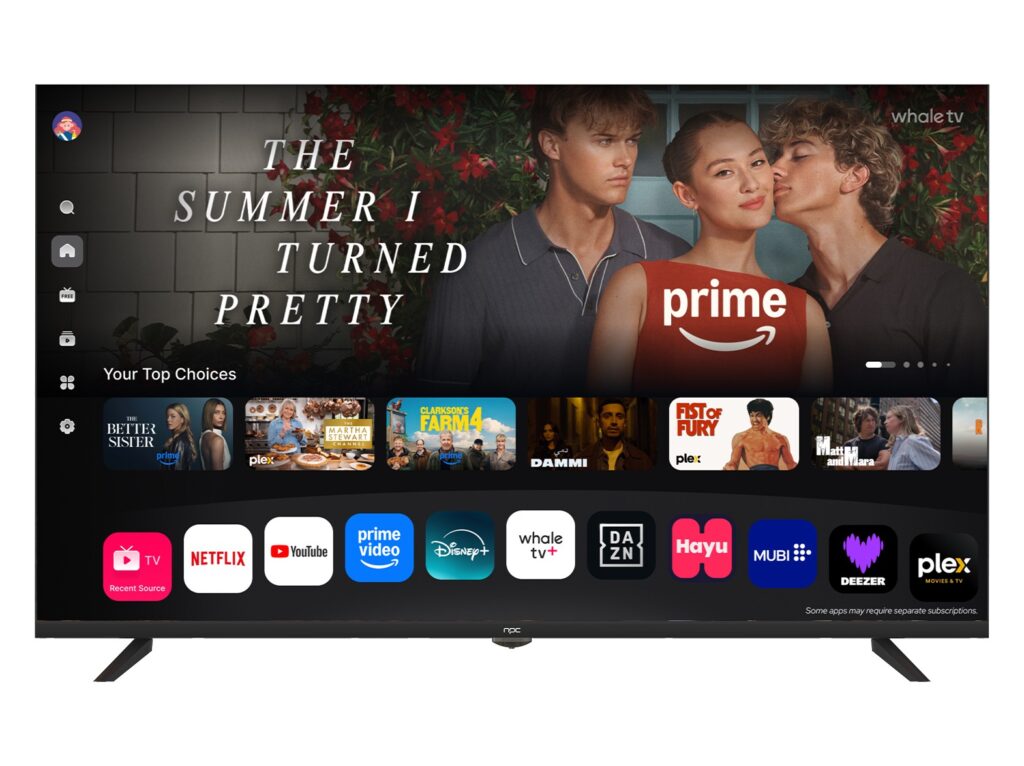
Projects stall because engineering decisions and buying expectations don’t line up: an engineer wants reliability and manufacturability, while a buyer wants price and wow-factor. If you’re specifying panels, whether you work directly with a monitor manufacturer or sourcing components through a distributor, that gap shows quickly in delayed shipments, unexpected firmware quirks and colour that never quite matches the marketing shots.
Common failure modes that appear late and cost the most
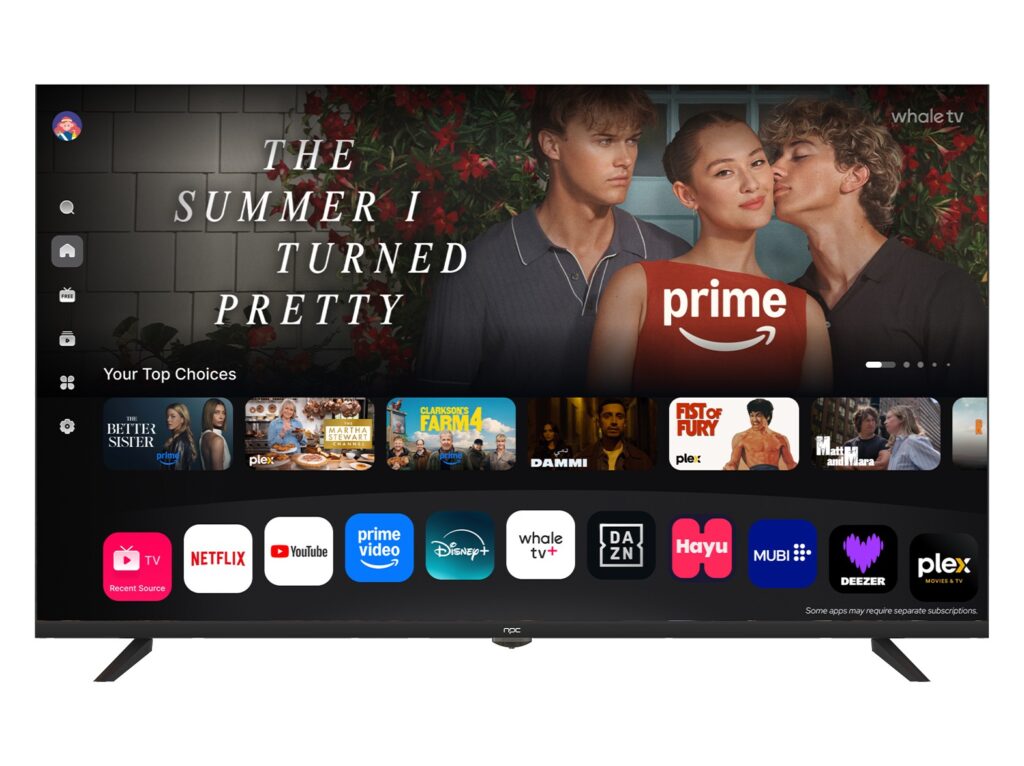
Late-stage failures are predictable. Panel substitutions without re-calibration, overlooked input-lag at the system level, poor thermal management that shortens lifetime, and connectors that meet the spec on paper but fail under cable strain. These are not mysterious faults — they come from accepting single-dimension wins (price or refresh rate) and ignoring integration tests.
Practical trade-offs engineers should document
Choose a priority and test for it. If colour accuracy is critical, specify native gamut, Delta E targets and factory calibration steps. If latency matters, require end-to-end input-lag validation rather than only panel response time. For throughput and cost, map expected yield changes for each panel supplier. Demand firmware update paths and clear EMI/thermal margins. Small checks — connector strain relief, cable lengths and mounting tolerances — prevent big fixes later.
Experience and market signals that matter
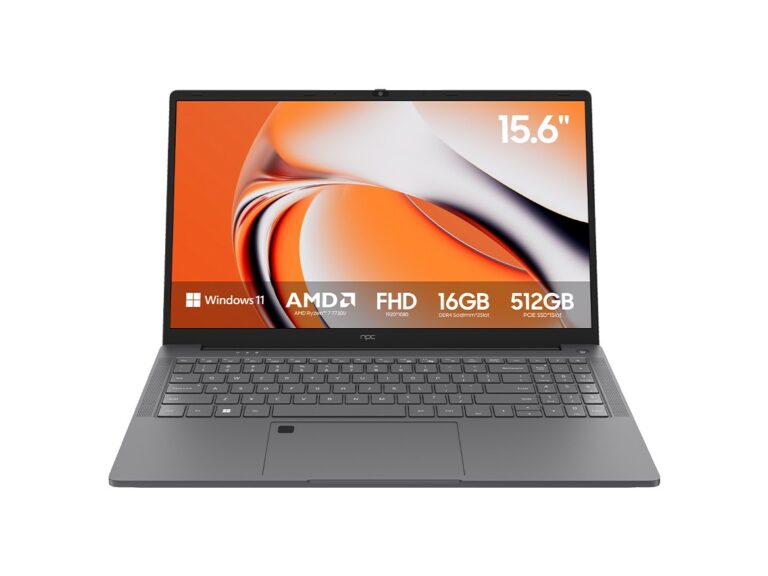
I’ve advised engineering teams and procurement groups for over a decade on display integration and QA, reviewing lab logs and production samples. Seen every January at CES in Las Vegas, manufacturers reveal which panel technologies scale — and those trends quickly influence procurement decisions for the year; that market signal matters when you assess long-term availability for best pc monitor manufacturers. Use recognised standards (VESA mounts, HDR10/HLG specs) and insist on measured lab data, not only datasheet claims.
Buyer mistakes you can avoid right now
Buyers often skip verification steps that cost least yet pay most: ask for measured colour checks on production units, confirm firmware roll-forward policies, and require a defined returns pathway for lot failures. Avoid “sample-only” approvals — insist the first production run matches the samples within agreed tolerances.
Quick guide to sensible supplier choices
Group suppliers by strength: those who excel at colour-critical, those focused on gaming latency and those offering low-cost mass panels. Balance lead times against innovation: newest panel tech can give a marketing edge but often has longer ramp-up. When you need consistent panel supply and engineering cooperation, prefer suppliers who share test logs, have accessible technical support and offer contract terms that cover yield risks.
How to close the loop without surprises
Define objective gates: electrical, optical and environmental. Run a small pilot with production tooling, capture failure modes, then lock component allowances. Keep firmware update procedures documented and ensure the supplier can support field fixes. This disciplined approach reduces emergency redesigns and compressed delivery schedules.
The practical payoff
Fixing misalignment between engineering and procurement early saves time and cost. For projects that need steady panel specs and predictable supply, working with a supplier that provides honest test data and clear manufacturing support — for example npc — makes specification compliance and delivery reliability far easier to achieve.