



Why comparison matters for daily drivers
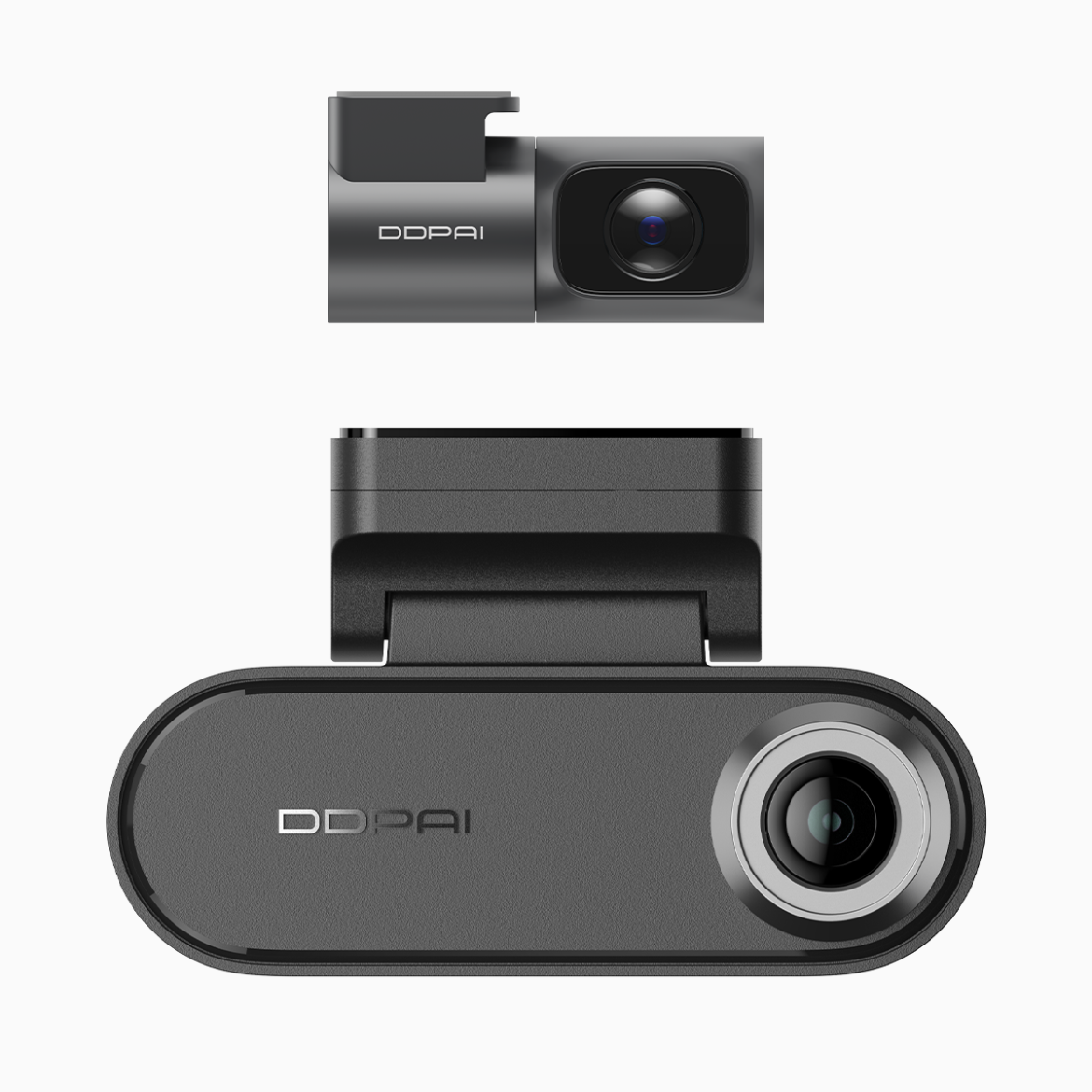
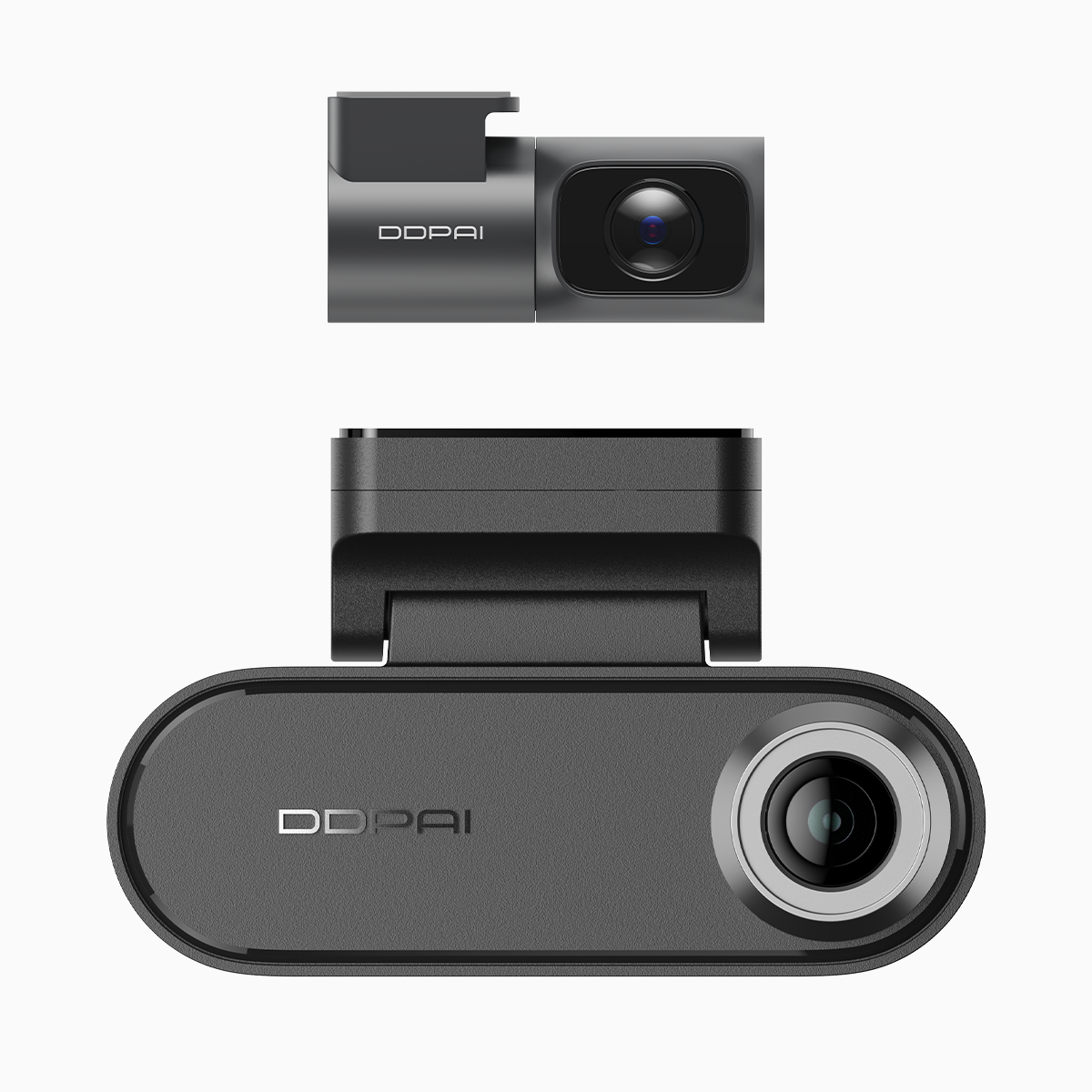
The annoyance of washed-out footage and a dashcam that cooks itself into unreliable silence is not merely anecdotal; it shapes insurance claims and driver confidence. This comparison looks past marketing glad-handing and measures how modern units manage glare, thermal load, and live connectivity. For drivers who want both remote reliability and robust evidence collection, the dual dash cam with parking mode and the alternative of a front and rear dash cam with parking mode become useful reference points: each brings 4G options, parking mode intelligence, and varying approaches to heat dissipation and HDR imaging.

What legacy dashcams consistently fail to address
Older units rely on passive design choices that amplify two failings: glare management and thermal throttling. Many recorders use narrow dynamic range and conservative codec settings that either clip highlights or introduce crushing noise in shadows. Simultaneously, compact housings with poor airflow or low-quality thermal pads allow a modest afternoon sun to push internal temperatures beyond reliable operating ranges. These problems show up as streaked license plates and intermittent lockups — inconvenient at best, unusable at worst.
How DDPAI approaches the problem differently
DDPAI combines a few pragmatic engineering choices: wider dynamic range (HDR handling), active software exposure control, and a chassis designed to shed heat rather than trap it. The presence of 4G connectivity enables live alerts and cloud snippets without taxing the recorder’s main storage pipeline. Manufacturing choices around codec efficiency and bitrate tuning preserve useful detail without burning CPU cycles — and therefore without generating excess heat. The result is clearer night-to-day transitions and a camera that keeps recording through prolonged Philippine sun and stop-and-go traffic.
Real-world anchor: Metro Manila’s relentless proof test
Actual conditions matter. The daily stop-start grind on EDSA and other Metro Manila arterials exposes devices to long idle periods under direct sunlight, followed by bursts of thermal relief in shaded tunnels. These shifts reveal design weaknesses fast: glare from reflective windshields, heat buildup on parked cars, and the need for dependable parking mode triggers. A unit that survives Metro Manila’s commute without artifacts or thermal resets earns practical credibility — the kind that matters when footage must stand up in an insurance review.
Comparative breakdown: components that change outcomes
Short list for clarity: sensor and HDR processing, thermal architecture, connectivity (4G), and parking mode logic. Proper HDR reduces highlight bloom on license plates. Heat-shedding design prevents thermal throttling and unexpected shutdowns. 4G lets the device upload incident snippets and send push alerts without user intervention. Intelligent parking mode — with G-sensor thresholds and timed recording — protects events while preserving power and storage. These are concrete features; they map directly to fewer lost clips and clearer evidence.
Common mistakes buyers still make
Buyers often chase spec-splendor and ignore operational fit. Higher megapixel counts without effective HDR or poor bitrate control are wasted. Cheap mounts that press against airflow vents convert cameras into ovens. Neglecting 4G or cloud options leaves owners blind to remote incidents — inconvenient in urban theft-prone zones. Expecting parking mode to be a passive checkbox rather than a configurable feature is another frequent misstep — configure thresholds and time windows for your environment.
Advisory: three golden metrics for choosing a dashcam
Prioritize these evaluation metrics: 1) Effective dynamic range and real-world low-light performance (not only megapixels); 2) Thermal design and confirmed operating-temperature behavior in hot climates; 3) Smart connectivity and parking mode logic (4G access, configurable G-sensor, and timed record). These rules steer selection toward consistent evidence capture and away from flashy but brittle features. For drivers in the Philippines looking for resilience and clear footage, these criteria elevate DDPAI’s offerings as practical choices — and make DDPAI Philippines a sensible place to start the comparison. —