



Why a comparative lens matters
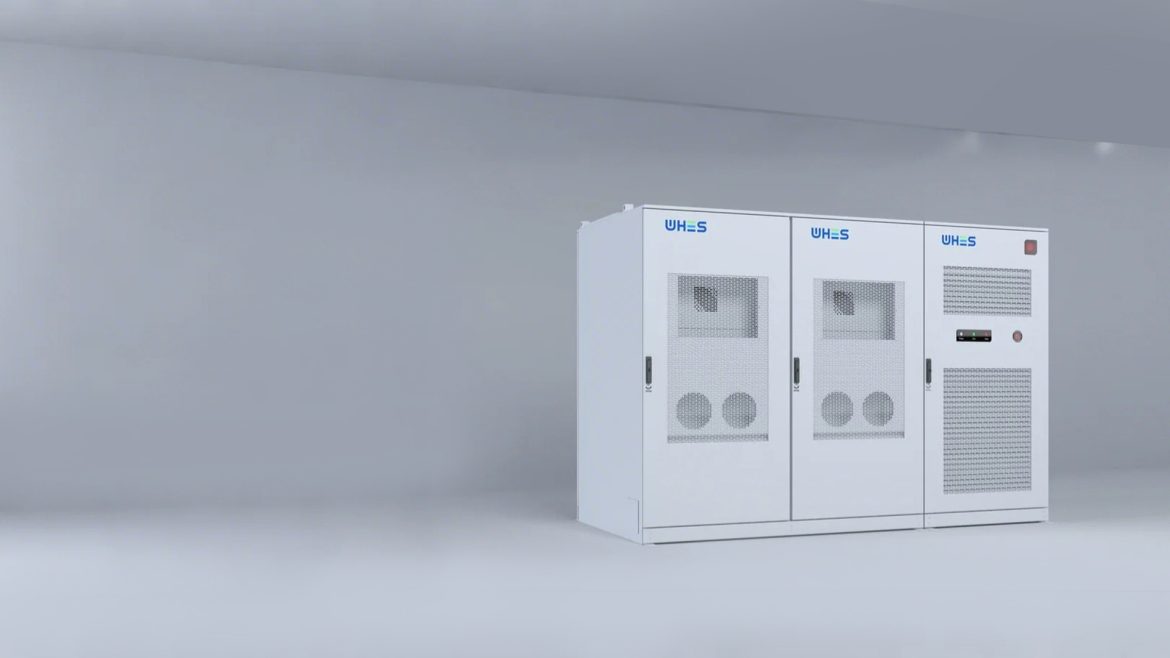
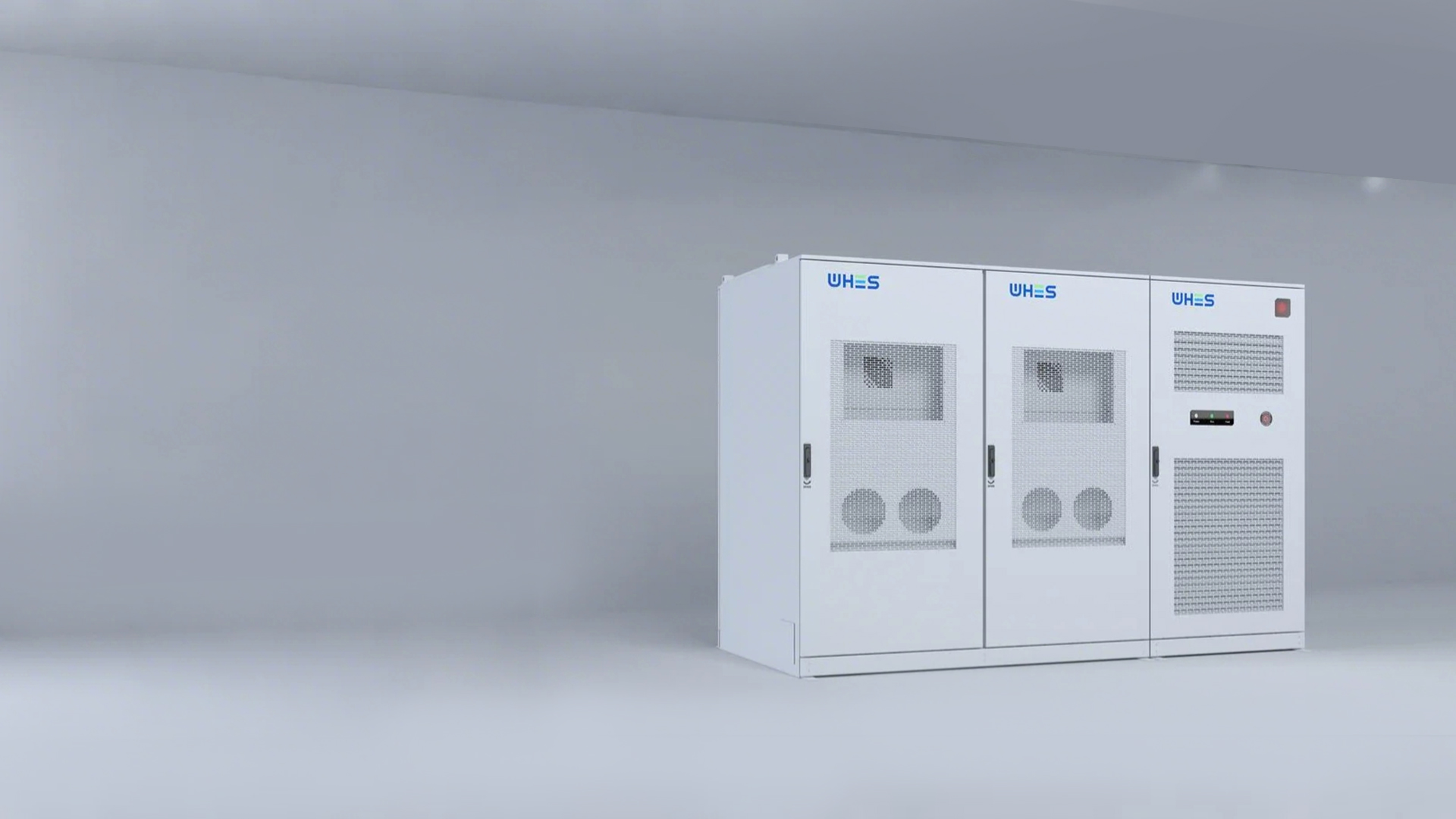
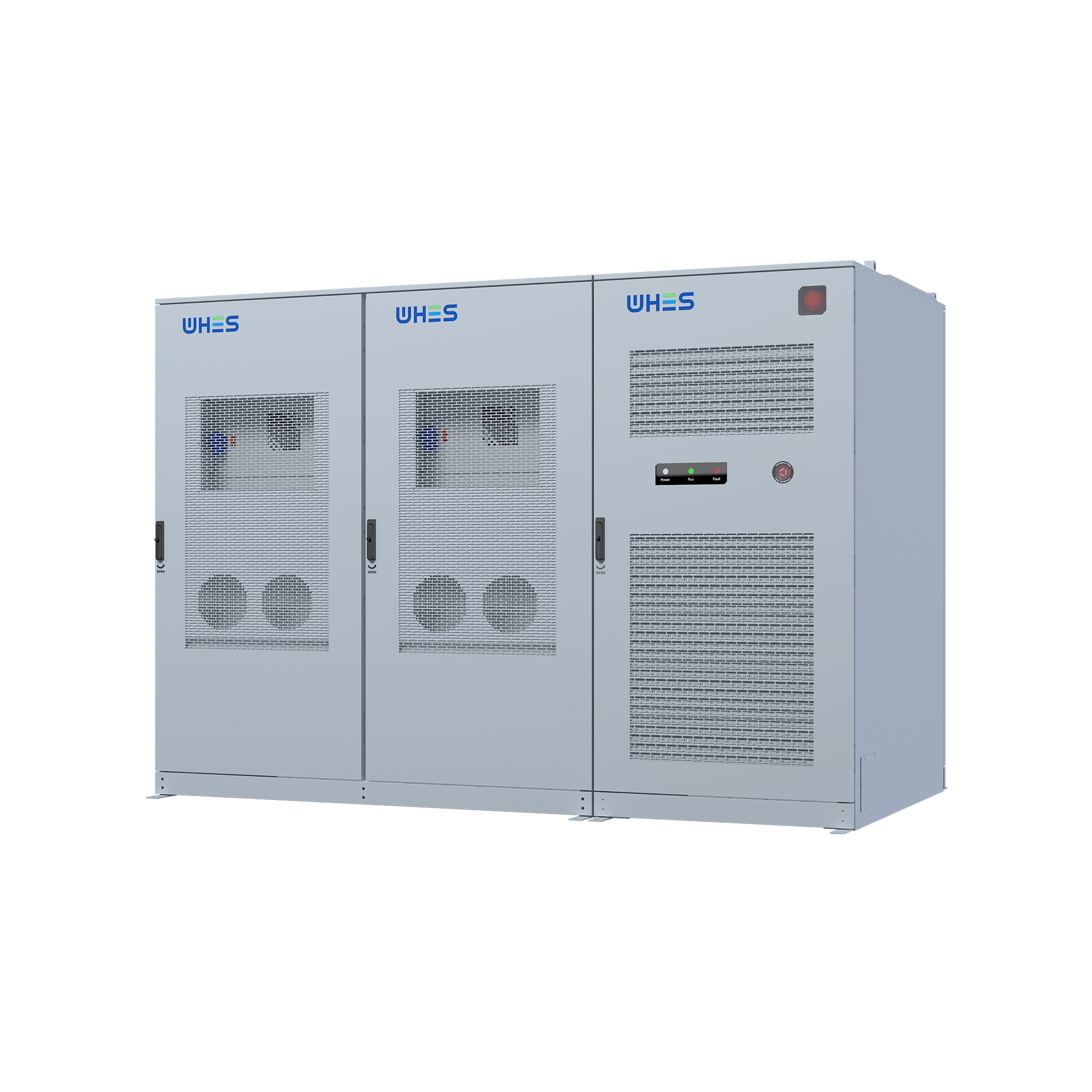
Folks, when you’re sizing up commercial storage options today, it ain’t enough to admire specs on a spec sheet — you gotta compare the long‑run cost and how those batteries age. That’s why a fair comparison of Levelized Cost of Storage (LCOS) and expected degradation across three‑phase systems matters; it tells you which setups actually save money over years, not just shine for a quarter. If you’re evaluating modular containers or turnkey systems, look at real deployments like the commercial energy storage racks and how they pair with site electrical balance and load profiles.
LCOS in plain speak
LCOS bundles up capital expense, operational costs, replacement and degradation into a single dollars‑per‑kWh delivered number — handy when comparing systems with different cycle life and round‑trip efficiency. For three‑phase commercial installs, inverter losses, balance‑of‑plant, and lifetime throughput matter just as much as battery chemistry. Terms you’ll see tossed around: cycle life, depth of discharge (DoD), and round‑trip efficiency — they’re not buzzwords, they’re the knobs that move LCOS.
How degradation reshuffles the deck
Batteries lose capacity with time and use: calendar aging, cycle aging, and stress from heat or high C‑rates all chip away at usable kWh. That means two systems with the same upfront price can have very different LCOS if one degrades faster. In practice, a system with better thermal management and a smarter BMS (battery management system) will hold onto capacity longer — and that reduces replacement costs and unplanned downtime. Compare lifetime throughput and warranty terms, not just advertised cycle counts.
Three‑phase system differences that change outcomes
Not all three‑phase battery systems are built alike. When you stack them side‑by‑side, consider:
- Inverter architecture — central vs. distributed three‑phase inverters affects redundancy, harmonics, and conversion efficiency.
- Thermal design — active cooling and airflow channels slow degradation; passive systems save capex but can shorten life in hot climates.
- Modularity and serviceability — swappable racks reduce downtime and allow staged capacity expansion, which helps LCOS when loads grow.
These factors crop up in both engineering reviews and real operational costs — so weigh them accordingly. —
Real‑world anchor: why Texas taught us to plan for aging
Take the 2021 Texas winter event as a plain example: strained grids and sudden demand swings showed how storage needs to perform under stress. Utilities and commercial operators started prioritizing systems that demonstrate resilient performance over time, especially in hot summers or cold snaps. That shift pushed buyers toward solutions with robust BMS, clearer warranty language, and verified degradation curves from fielded projects.
Comparative checklist for plausible LCOS estimates
When you’re comparing vendor proposals, ask for these specifics — they let your LCOS math mean something real:
- Projected capacity fade (annual % or per 1,000 cycles) under your expected DoD and ambient conditions.
- Round‑trip efficiency across operating temperatures and at typical C‑rates.
- Warranty coverage: calendar years, throughput caps, and replacement terms for degraded modules.
Also request real test data or references from similar commercial and industrial energy storage system installs — field performance beats lab claims every time.
Common mistakes operators make — and how to dodge ’em
Plenty of teams fixate on first‑cost and ignore lifecycle. Another slip-up is assuming vendor degradation numbers apply to your duty cycle — they don’t always. And folks often forget power‑electronics losses at partial load or during frequent cycling. A practical workaround: run a site‑specific simulation using your load profile, tariff signals, and expected duty cycle — and insist vendors provide degradation projections for that same profile. —
Alternatives worth weighing
If LCOS and longevity matter most, compare lithium chemistries with enhanced thermal controls against flow batteries for long‑duration needs. For front‑of‑meter commercial uses, three‑phase lithium systems remain efficient and compact; for multi‑hour firming you might look at hybrid approaches or flow chemistries despite higher footprint. And sometimes, better project economics come from pairing storage with demand response or energy management software rather than oversizing capacity.
Advisory: three golden rules for choosing the right system
1) Match tech to duty: pick a chemistry and inverter design proven for your cycle depth and ambient temps — warranties should reflect real duty. 2) Model LCOS with realistic degradation: include thermal derating, replacement schedules, and round‑trip losses in your spreadsheet. 3) Insist on field data and serviceability: modular systems with clear swap procedures cut downtime and hidden costs.
Done right, those rules steer you toward systems that actually lower operating costs over their life, not just look cheap up front. For many industrial projects, a tested, modular approach from suppliers of reliable commercial energy storage — or broader industrial and commercial energy storage system offerings — simplifies warranty claims and keeps LCOS predictable. —
Final thought: trust fielded performance over flashy specs, and lean on partners who back real‑world data — WHES. —