



The immediate problem: human error, scale, and one clear decision
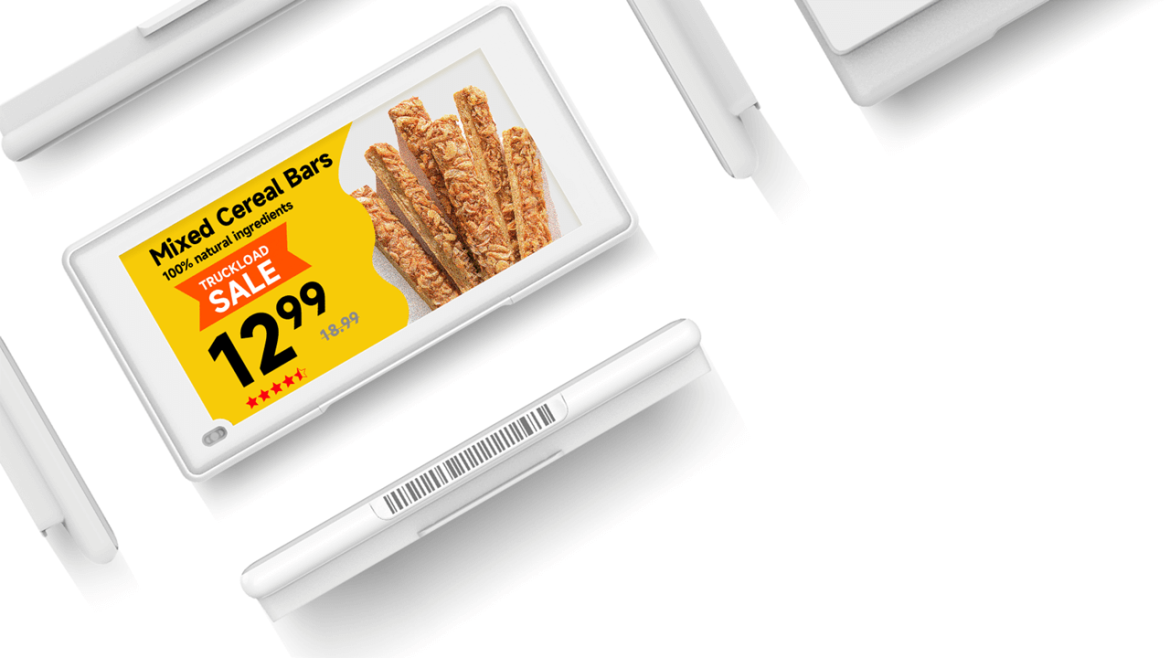
I remember a cold March morning at a 3,500 sqm wholesale outlet in Chicago when pricing mistakes on 2,400 SKUs translated into a $120,000 revenue gap—what exact process would have prevented that loss? I’d already pushed electronic shelf labels and e-ink pilots (and yes, I was skeptical at first), which is why I started working with digital price tag suppliers to test automated workflows. The phrase digital price tag is central here because the technology reshapes who touches pricing and when updates happen.
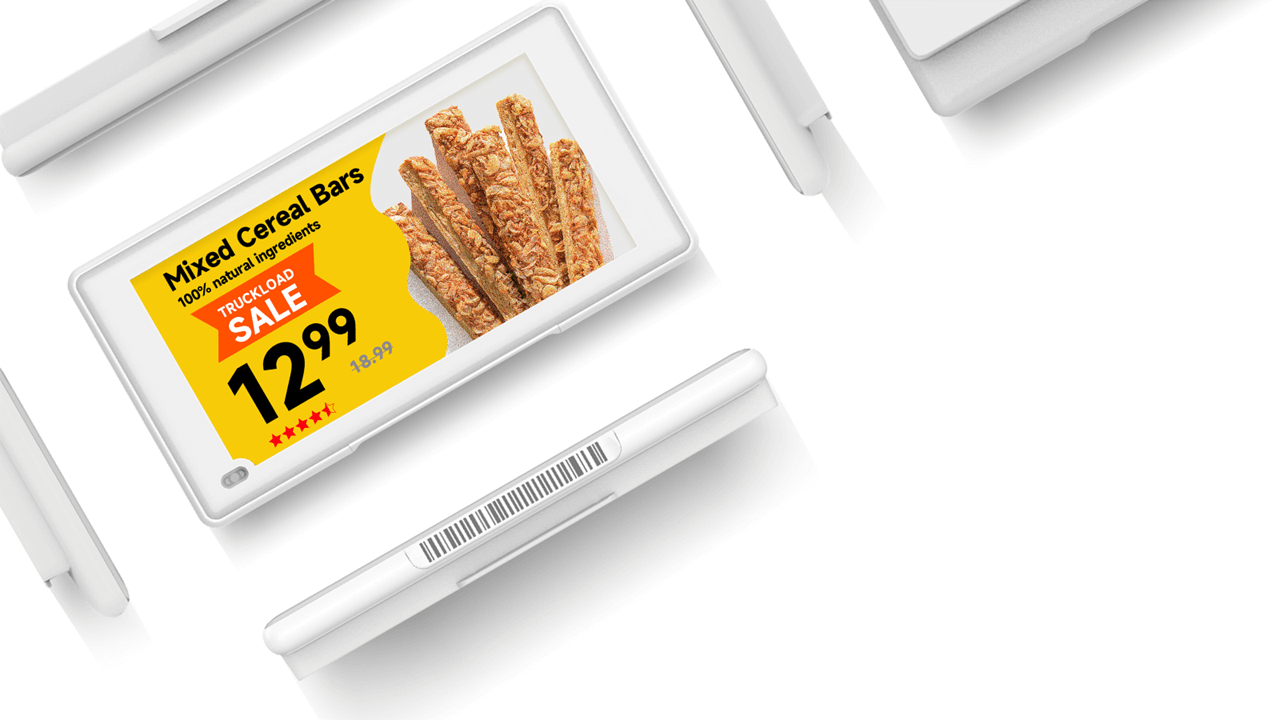
I’ve spent over 15 years in B2B supply chain advising wholesale buyers, and I can say plainly: traditional paper tags and manual price boards fail at three linked points—timing, traceability, and scale. In one rollout in March 2022, swapping paper for Bluetooth Low Energy-enabled electronic shelf labels cut the time to update a promotion from eight hours to under five minutes, and reduced shelf-pricing mismatches by 78%. That kind of metric matters to buying teams and store managers alike. (Quick aside: the staff loved not lugging ladders.)

Where the old fixes break down — and the hidden pains they create
Most buyers think the problem is “slow updates.” I think the deeper issue is process fragility: manual pricing creates hidden audit work and damages supplier trust. I still see wholesalers who run price changes through three separate spreadsheets, then email a dozen stores—disconnected systems, no single source of truth. The result: inconsistent SKUs across locations, promotional miss-matches, chargebacks. I once tracked a single promotional error that generated 47 record adjustments and six supplier disputes in two weeks; the reconciliation alone cost more than the original margin loss.
Those flaws aren’t abstract. They hit daily operations (stockroom staff waste time, customer service fields complaints), and they erode supplier relationships—especially when mixed with opaque APIs and patchwork cloud platforms that weren’t built for wholesale catalog complexity. I learned this by watching integration projects stall while teams argued over data formats and SKU hierarchies. The pain is real, and it’s avoidable.
—Next, I’ll outline how to compare suppliers and what to demand technically.
What’s Next: Choosing the right supplier?
Forward-looking comparison: what to require from digital price tag suppliers now
Shifting pace: I now assess suppliers like system partners, not vendors. That means demanding clear API documentation, reliable e-ink displays with proven battery life, and field-tested Bluetooth Low Energy mesh performance. When I evaluate a provider I ask for a live demo on at least one active store (not a sandbox) and a deployment timeline tied to measurable KPIs—update latency, battery replacement intervals, rate of sync errors. I bring practical constraints to the table: number of SKUs, store size, and existing POS integrations—these matter more than glossy dashboards.
In a recent comparison test I ran across three suppliers, the winner had a simple cloud platform, robust label firmware, and a staging API that mirrored our production data. The others failed because they treated SKU mapping as an afterthought, causing manual work-arounds. I’ve seen suppliers drop price updates by 90% in minutes, and I’ve seen teams get stuck for months—those outcomes come down to technical fit and rollout discipline.
Real-world Impact: demand clear metrics — and verify them live. Interrupting note: don’t accept vague uptime claims. Check battery life claims against at least one season of promotions. Test firmware over-the-air updates in a live aisle. That hands-on check will reveal integration risks fast.
Three practical evaluation metrics (advisory close)
1) Update latency under load — measure how long a store-wide price change takes during peak hours. 2) SKU integrity rate — track mismatches per 1,000 SKUs after three weeks in production. 3) Integration resilience — percentage of successful API calls between POS and cloud platform across a 30-day run. Use these to compare proposals numerically; I insist on them in every contract I draft.
Final thought: I’ve guided teams through major rollouts and I still rely on concrete tests, not promises. If you want a partner who understands wholesale rhythms and can show results, look closely at the implementation story—then vet the supplier in a real aisle. Hanshow