



Introduction
I once stood beside a shop-floor welder who shrugged and said, “We’ve learned to live with the smell.” That scene—workers breathing thin, hot air—speaks to a wider problem that touches safety, morale, and output. Fume extraction technology has matured, yet many workplaces still underuse it; recent surveys suggest up to 30% of small shops run below recommended capture efficiency (a number that surprised me). What does that gap cost us in health and lost hours? As I look across plant floors and labs, I ask: are we solving the right problems or merely treating symptoms? (Let’s be frank: habits are hard to change.) Now, let me walk you through why the visible fixes often miss the point and what we should examine next.
Why Traditional Fixes Fall Short
Let me start by defining the core issue: a lot of systems focus on duct size and fan speed without thinking about how people actually work. Modern fume extraction and filtration systems promise clean air, but older installs—big ducts, raw blower motors, and rigid capture hoods—often fail at the hands-on level. From my site visits, I see units with clogged HEPA filters and saturated activated carbon beds; the result is poor capture and frequent downtime. Static pressure gets ignored and then blamed when airflow drops. We call that maintenance drift. Look, it’s simpler than you think: if the hood is hard to position, operators will move it less. That simple behavior destroys design intent.
So what really goes wrong?
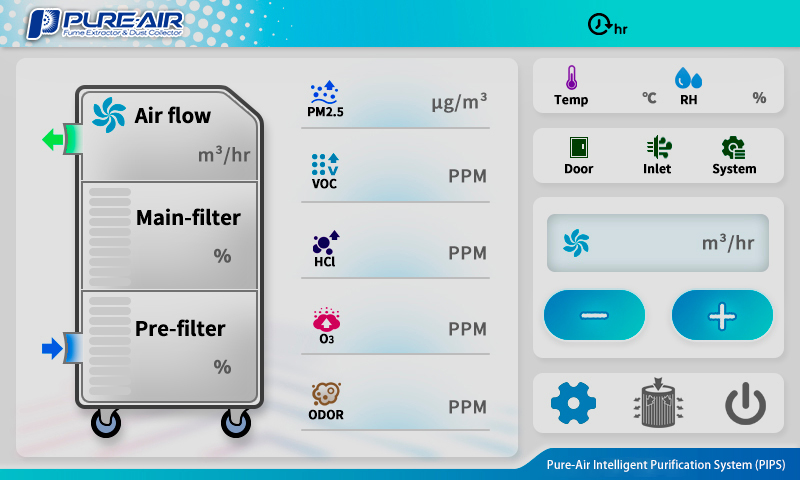
I’ll be blunt. First, designers assume perfect use. They size systems for ideal capture distances and steady workflows. Reality disagrees. A soldering bench or a laser cutter sees variable positions and rushed shifts. Second, service cycles are optimistic—filters clog faster when paint fumes or heavy particulates are involved. Third, control schemes are often too basic; no feedback loops, no sensors to signal poor capture or blocked filters. I’ve watched teams ignore a unit’s warning light because the sound is annoyingly frequent. Human factors matter. We need practical gauges—real-time capture indicators, simple maintenance cues, and modular filters that a technician can swap in minutes. That’s what fixes the hidden user pain.
New Principles and a Practical Roadmap
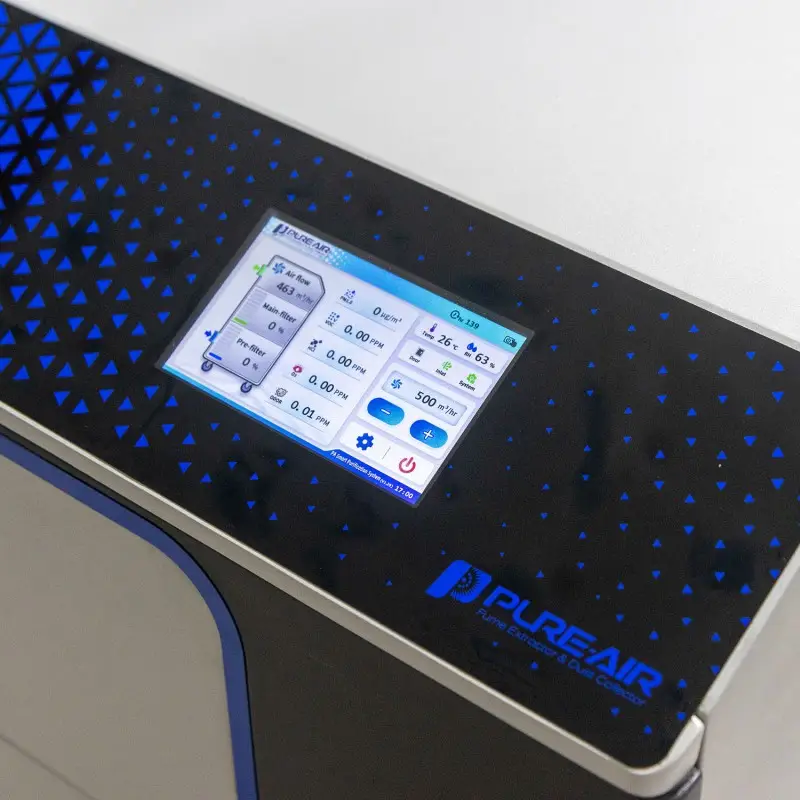
Looking forward, I want to outline some guiding principles that I believe work. First: design for use, not for an idealized process. Second: add simple sensing—airflow sensors, filter load indicators, even basic smoke tests—to give operators real feedback. Third: favor modular components so repairs are quick and obvious. These are not buzzwords; they reduce downtime and raise trust in the system. When I review new fume extraction and filtration systems, I check for these traits. They matter because when people trust the gear, they use it correctly—behavior changes everything.
What’s Next?
Practically speaking, manufacturers should pair capture hoods with visual airflow indicators and easy-to-replace HEPA cartridges, and integrate modest controls that adjust blower speed by load. This reduces energy waste and keeps capture where it matters. I’m optimistic—new sensor suites and smarter seals are affordable now. — funny how that works, right? Still, adoption will hinge on three clear evaluation metrics: 1) real-world capture rate at typical workstation positions, 2) time-to-service for filters and parts, and 3) measurable energy use under normal cycles. Measure these, and you’ll see which systems pay back in weeks or months, not years. In closing, I’ve seen progress where teams adopt these principles; the daily air feels different, morale lifts, and sick days drop. For practical solutions and tested systems, I point to trusted partners like PURE-AIR.