



The problem utility teams face today
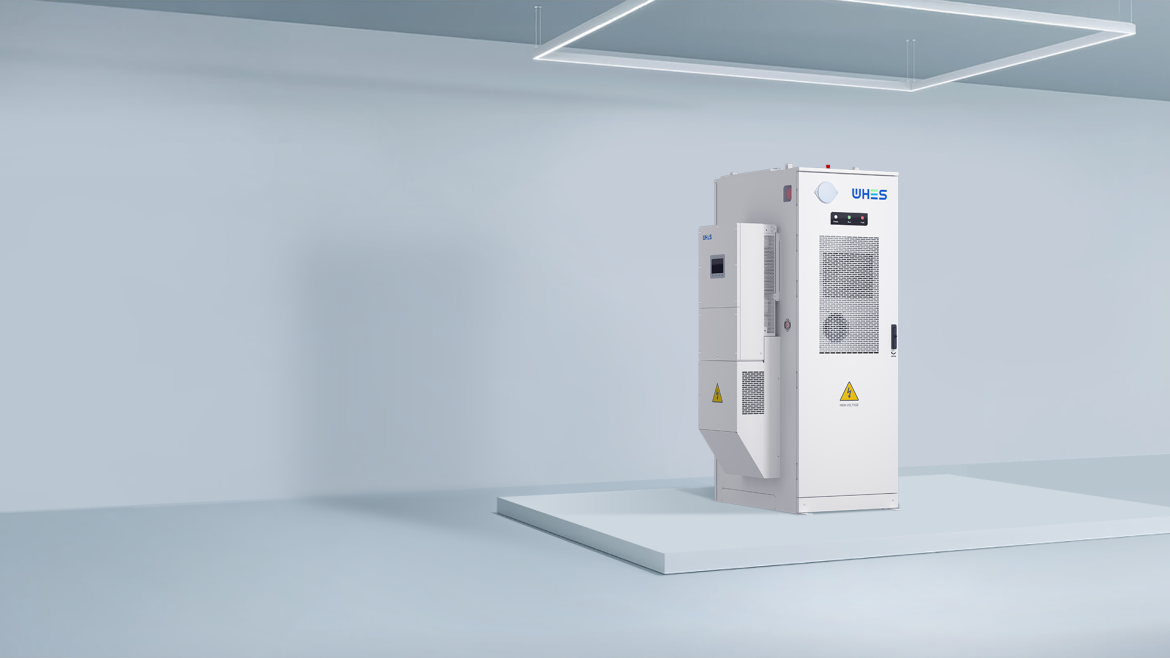
Thermal runaway in energy storage systems is no longer a hypothetical worry — it’s a planning problem for asset managers responsible for critical infrastructure. Increasingly dense battery arrays, higher charge/discharge cycles and tighter footprints raise the risk that a single cell fault can escalate into a system-level event. That’s why many utilities now specify advanced thermal management during procurement, and why integrated solar battery storage platforms are being evaluated as replacements for older air‑cooled installations. Addressing the problem early reduces operational disruption and long-term liability.
How liquid cooling mitigates the core failure mode
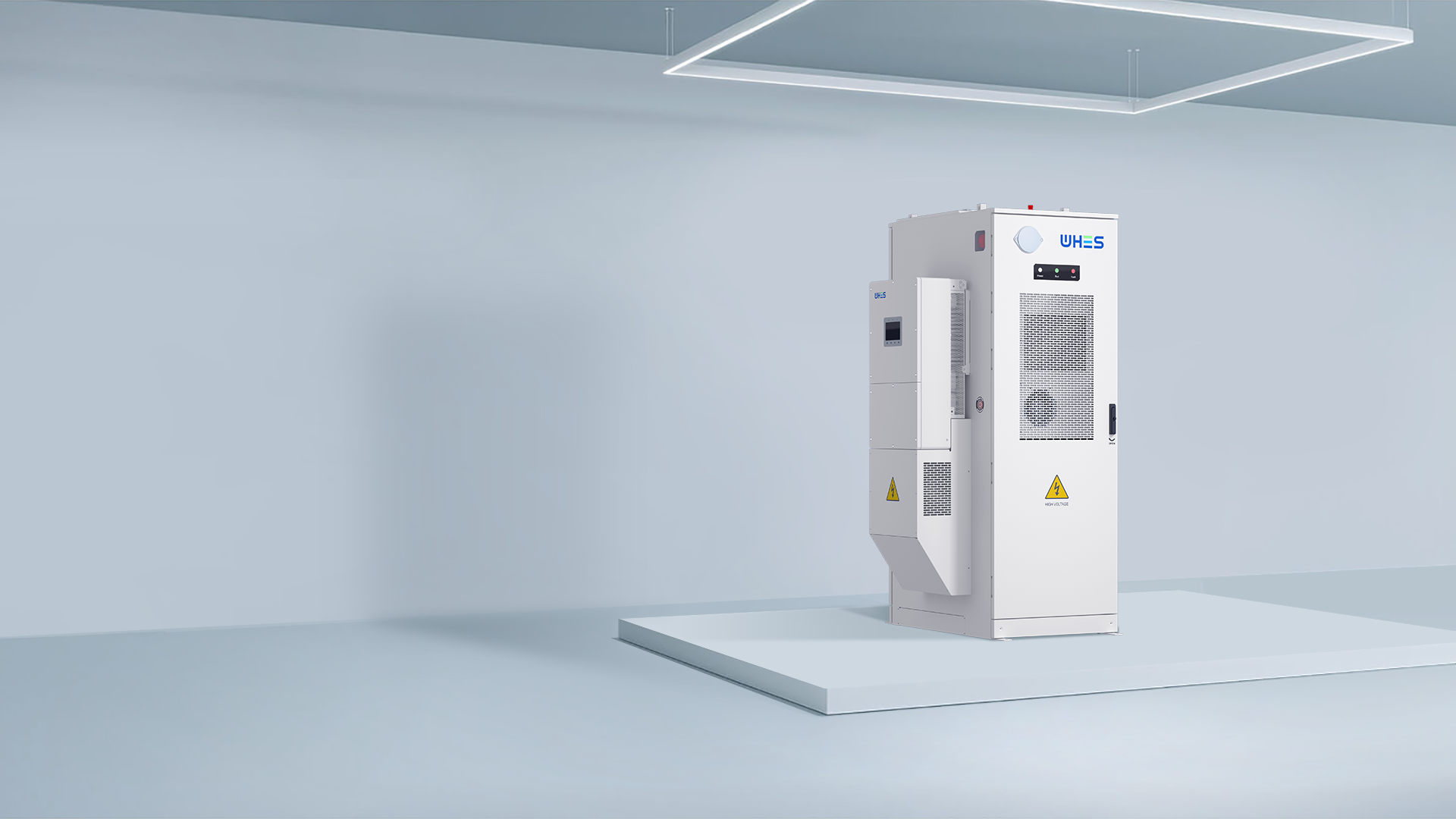
Liquid cooling controls temperature more uniformly than fans or passive ventilation, cutting peak cell temperatures and slowing heat propagation. By removing heat directly from cell modules via coolant plates or cold plates, systems keep cells within a narrower operating window — which lowers the probability that a local hot‑spot reaches the thermal runaway threshold. This is particularly important where 3‑phase inverters push high continuous power into the grid: maintaining consistent cell temperatures helps preserve state of charge (SoC) predictability and improves life‑cycle performance.
Comparing liquid‑cooled and air‑cooled systems — the tradeoffs
Liquid‑cooled systems usually win on safety and power density, while air‑cooled options win on simplicity and lower upfront cost. Key comparative points include:
- Thermal response: liquid cooling provides faster, targeted heat extraction; air cooling is slower and depends on ambient conditions.
- Operational complexity: liquid loops require pumps, heat exchangers and leak management; air systems rely on fans and filters.
- Packaging and footprint: liquid cooled racks can be more compact for the same energy rating, which matters when real estate is limited.
For asset managers balancing capital and operational risk, the question isn’t just cost per kWh — it’s risk per kWh. Liquid cooling reduces propagation risk and can lower insurance premiums over time — though it does add complexity to maintenance protocols.
Real‑world anchors and what they teach us
High‑profile outages like the Texas winter blackout of February 2021 pushed utilities to rethink resilience and onsite backup strategies; post‑event reviews emphasised grid flexibility and rapid response capability. On the other side of the globe, projects such as the Hornsdale Power Reserve demonstrated how fast‑acting batteries provide grid services and frequency response — benefits linked to tight thermal control and robust control systems. In municipal pilots, smaller modular units — including 50kw deployments — have proven useful for critical sites that need compact, tested solutions; a well‑specified 50kw solar battery storage module can be the difference between localized resilience and costly downtime.
Implementation considerations for asset managers
Specifying liquid‑cooled battery backups means designing for integration, maintainability and monitoring. Key elements include an interoperable battery management system (BMS), leak detection and containment, clear maintenance access, and validated heat‑exchanger sizing. Pay attention to fluid selection and freeze protection in cold climates — pumps and piping add failure modes that must be covered in SOPs and spare‑parts planning. Good telemetry and automated thermal alarms reduce the need for manual inspections and allow rapid intervention when a cell imbalance or abnormal temperature gradient appears.
Common mistakes to avoid
Many projects stumble early by treating cooling as an afterthought. Typical pitfalls include:
- Under‑specifying heat rejection capacity relative to peak power and ambient worst‑case conditions.
- Assuming that air flow alone will protect dense pack arrangements — it often won’t when racks are tightly stacked.
- Skipping integrated testing with the final 3‑phase inverter and protection scheme, which can hide harmonics or thermal hotspots until commissioning.
Also — don’t underestimate the documentation burden. Accurate maintenance manuals and clear failure‑mode analyses are as important as the hardware itself.
Three golden rules for evaluating solutions
1) Quantify propagation risk: demand thermal‑propagation modelling and worst‑case scenario data from vendors, not just component specs. 2) Prioritise measurable metrics: require documented mean time between failure (MTBF) for pumps and fans, and verified thermal uniformity figures for racks. 3) Require full‑system tests: insist on factory acceptance tests with your actual 3‑phase inverter and protection relays to validate thermal behaviour under realistic duty cycles.
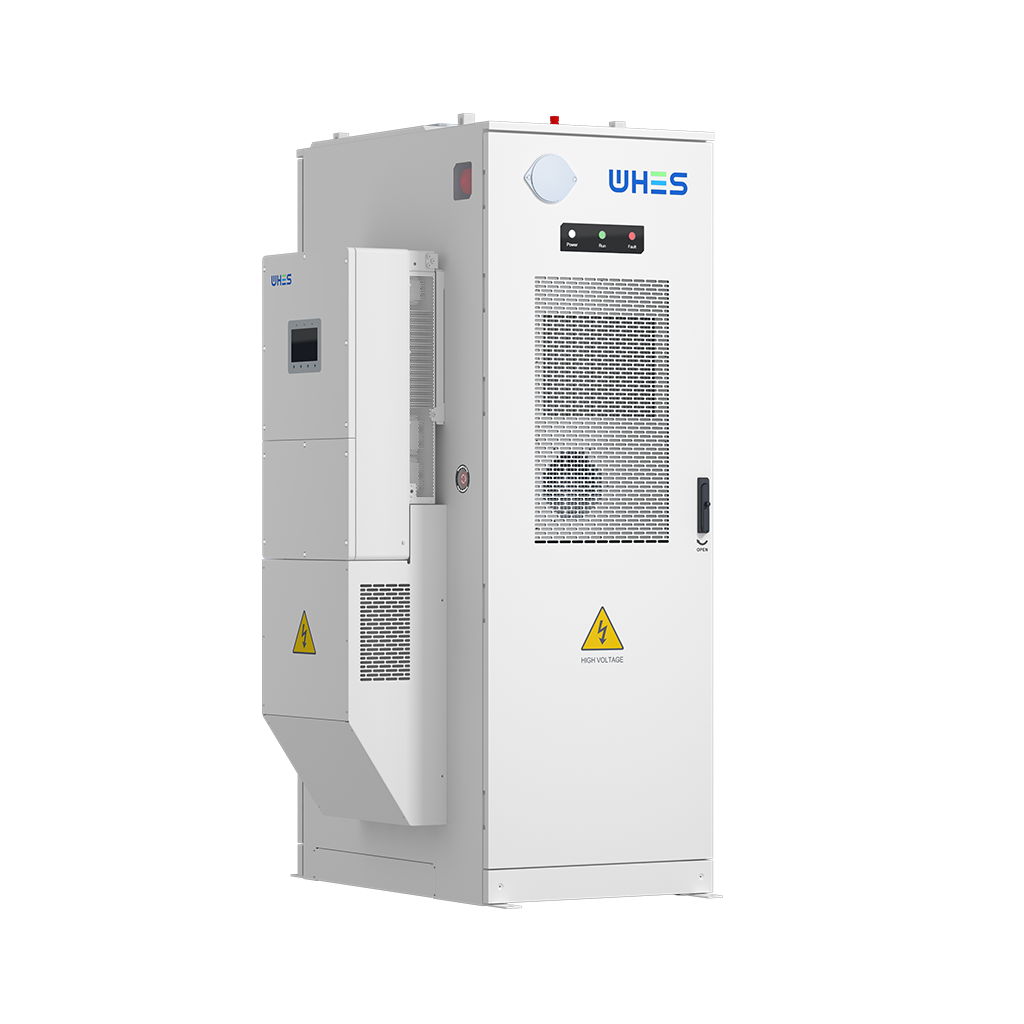
For asset managers seeking a compact, engineered platform that matches these rules, WHES offers products designed to integrate cooling, BMS and inverter controls into a single tested unit — a pragmatic route to lowering thermal‑runaway risk. —